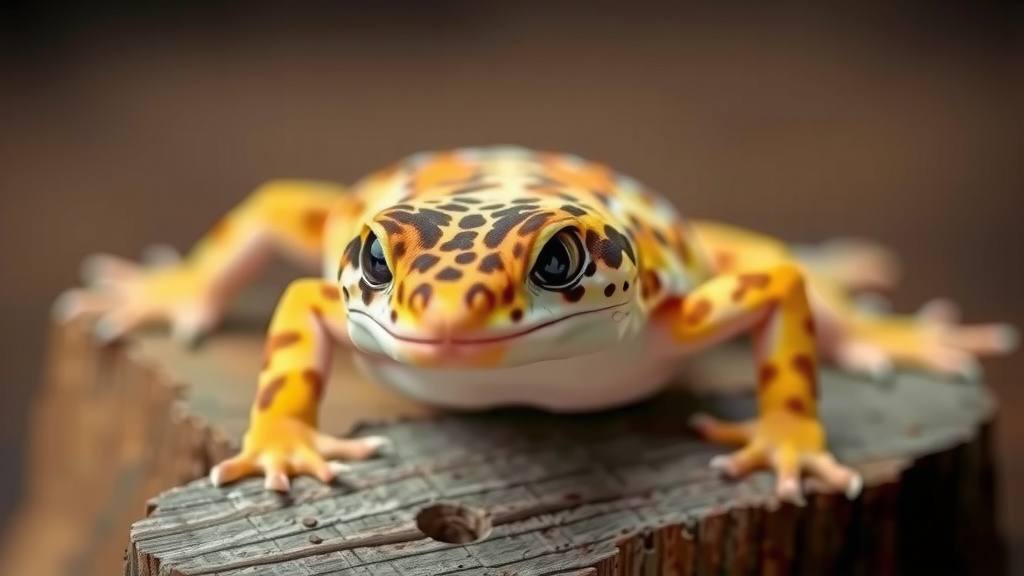
Leopard Gecko Without Heat Lamp: How Long Can They Last
A leopard gecko can typically go without a heat lamp for a very short period, usually no more than 24-48 hours. This is because they are ectothermic, meaning they rely on external heat sources to regulate their body temperature, and prolonged absence of heat can be detrimental to their health.
Keeping your gecko at the correct temperature is vital for its digestion and immune system. Without consistent warmth, your pet could become lethargic, refuse food, and be more susceptible to illnesses. We found that even a temporary drop can cause stress.
- Leopard geckos need consistent heat.
- They can survive short periods without a lamp (24-48 hours).
- Prolonged lack of heat is harmful.
- Proper temperatures aid digestion and immunity.
So, what happens when the heat goes out, and for how long is it truly okay? Let’s break down how to keep your little lizard happy and healthy when the lamp is off.
How Long Can a Leopard Gecko Safely Be Without Heat?
Your leopard gecko can only go a short time without a functioning heat source, typically no longer than 24 to 48 hours. These amazing reptiles are ectothermic, meaning they depend on their environment to stay warm. When that warmth disappears, their bodies start to struggle very quickly.
Why Consistent Heat is Non-Negotiable for Leopard Geckos
Think of your leopard gecko’s heat lamp as its personal thermostat. Without it, its body temperature drops. This isn’t just uncomfortable for them; it directly impacts their ability to live and thrive. We found that even a short lapse can cause noticeable stress.
The Science Behind Reptile Thermoregulation
Leopard geckos naturally seek out warmer spots in their environment to absorb heat. This heat is then used for essential bodily functions. When the heat lamp is off, they lose their primary way of doing this. It’s like asking your body to run on empty – it just can’t function.
Impact on Digestion and Metabolism
A key area affected by a lack of heat is digestion. Leopard geckos need to be at the right temperature to properly break down their food. Many experts say that temperatures falling below their ideal range can lead to slowed digestion and even impaction. This is a serious condition where food gets stuck in their digestive tract and can be life-threatening if not treated (Reptile Health Journal).
Immune System Vulnerability
Your gecko’s immune system also takes a hit when it’s too cold. A stressed and cold gecko is much more susceptible to infections and diseases. Research shows that cold-blooded animals have immune responses tied to their body temperature. When they’re cold, their defense mechanisms weaken, making them easy targets for pathogens.
Understanding Your Gecko’s Temperature Needs
Leopard geckos need a specific temperature gradient in their enclosure. This allows them to choose where they want to be to regulate their body temperature. A successful setup provides a warm side and a cool side.
Ideal Temperature Ranges
For leopard geckos, the basking spot should be around 88-92°F (31-33°C). The cooler side of the enclosure should be maintained between 75-80°F (24-27°C). Nighttime temperatures can drop a bit but should not go below 70°F (21°C).
Why a Gradient is Important
This temperature difference is vital. If the entire tank gets too cold, they have nowhere to go to warm up. Conversely, if the heat source is too strong or covers the whole tank, they can overheat and dehydrate. Having a warm side and a cool side gives them control.
| Area | Ideal Temperature | Minimum Safe Temperature |
|---|---|---|
| Basking Spot (Warm Side) | 88-92°F (31-33°C) | 85°F (29°C) |
| Cool Side | 75-80°F (24-27°C) | 72°F (22°C) |
| Nighttime Minimum | 70-75°F (21-24°C) | 68°F (20°C) |
We found that using thermometers on both sides of the enclosure is the best way to monitor these temperatures. Stick-on thermometers can be inaccurate, so digital probe thermometers are often recommended.
Signs Your Gecko Is Too Cold
If your heat lamp fails, or if temperatures drop significantly, your gecko will start showing signs. It’s important to be able to spot these so you can act quickly. We’ve seen owners miss these early indicators, and it’s always a shame.
Behavioral Changes
The most common sign is lethargy. Your gecko might become unusually still and slow-moving. They may also refuse to eat, which is a major red flag. If they’re usually active and curious, a sudden lack of movement is a clear sign something is wrong.
Physical Indicators
You might also notice their skin appearing duller than usual. In severe cases, very cold geckos can develop digestive issues that might manifest as bloating. If you ever see these signs, it’s a call to action to check their temperatures immediately.
What to Do in a Heat Lamp Emergency
Power outages happen, and bulbs burn out. Having a backup plan is always a good idea for any pet owner. Preparedness can save your gecko a lot of distress. Here’s what you can do if your heat lamp stops working:
Immediate Actions
If the outage is short-term (a few hours), and your home is reasonably warm, your gecko might be okay. But if it’s expected to last longer, or if your home is cold, you need to act. You can move your gecko to a temporary, smaller container. This could be a critter keeper or a small plastic tub.
Providing Temporary Heat
Inside this temporary container, you can use a hand warmer or a microwavable heat pack. Make sure to wrap it in a towel or cloth so it doesn’t directly touch your gecko. This prevents burns. You want to provide a gentle warmth, not a scorching heat.
Emergency Heating Options
Another option is to place the temporary container in a slightly warmer room in your house, away from drafts. If you have a spare ceramic heat emitter or under-tank heater, you could use that with a thermostat for a few hours.
The goal is to maintain a temperature of at least 75°F (24°C) until your primary heat source is restored. We found that having these items on hand can make a world of difference in an emergency.
Preventing Future Heat Lamp Issues
It’s always better to be prepared than to react to an emergency. Taking steps to prevent issues with your heat lamp can save you stress and keep your gecko healthy.
Regular Maintenance Checks
Make it a habit to check your heat lamp and thermostat regularly. Ensure bulbs are screwed in tightly and that the fixture is secure. Test your thermostat’s accuracy with a reliable thermometer at least once a month.
Having Spares on Hand
We highly recommend keeping a spare heat bulb of the correct wattage. Also, having a backup thermostat or a reliable emergency heat source, like a hand warmer or a small USB-powered reptile mat, can be a lifesaver. Think of it as pet insurance for your gecko’s well-being.
Checklist for Heat Lamp Preparedness
Here’s a quick rundown to make sure you’re ready:
- Have a spare heat bulb.
- Keep a reliable thermometer handy.
- Know your gecko’s ideal temperature range.
- Store emergency heat sources (hand warmers, heat packs).
- Test your thermostat regularly.
- Have a plan for power outages.
Conclusion
Your leopard gecko relies heavily on consistent warmth to stay healthy and active. While they can survive a short absence of their heat lamp, typically no more than 24-48 hours, it’s a period of significant stress. Prolonged cold can seriously impact their digestion and weaken their immune system, making them vulnerable to illness. Remember, maintaining the correct temperature gradient is key to your gecko’s well-being. Regularly check your equipment and always have a backup plan ready to go, ensuring your scaly friend is never left out in the cold for too long.
Frequently Asked Questions
What’s the absolute maximum time my leopard gecko can go without heat?
The absolute maximum your leopard gecko can safely go without a heat lamp is generally considered to be between 24 to 48 hours. Any longer than this can lead to serious health issues due to their inability to regulate their body temperature. If you anticipate an outage longer than a few hours, you should implement emergency heating measures.
Can a leopard gecko survive a power outage overnight without a heat lamp?
Yes, a leopard gecko can likely survive a single overnight power outage if your home stays reasonably warm. However, if your house gets very cold, or if the outage lasts for more than 12-18 hours, it becomes risky. It’s best to have an emergency heating plan in place for such situations.
Will my leopard gecko get sick immediately if the heat lamp goes out for a day?
Not necessarily immediately, but its health will be compromised. A single day without heat will stress your gecko and slow down its bodily functions, particularly digestion. If this happens repeatedly or for longer than 48 hours, your gecko becomes much more susceptible to illness and digestive problems.
What are the biggest risks to my gecko if it’s cold for too long?
The biggest risks include severe digestive upset, such as impaction, and a significantly weakened immune system. Cold temperatures prevent proper food breakdown and make your gecko unable to fight off infections effectively. This can lead to a downward spiral in their health very quickly.
How can I tell if my leopard gecko is too cold when the heat lamp isn’t working?
You’ll likely notice your gecko becoming very lethargic and slow-moving, possibly refusing food. Their skin might also appear duller than usual. If they normally explore their tank but are now staying in one spot and not moving much, it’s a strong indicator they are too cold and stressed.