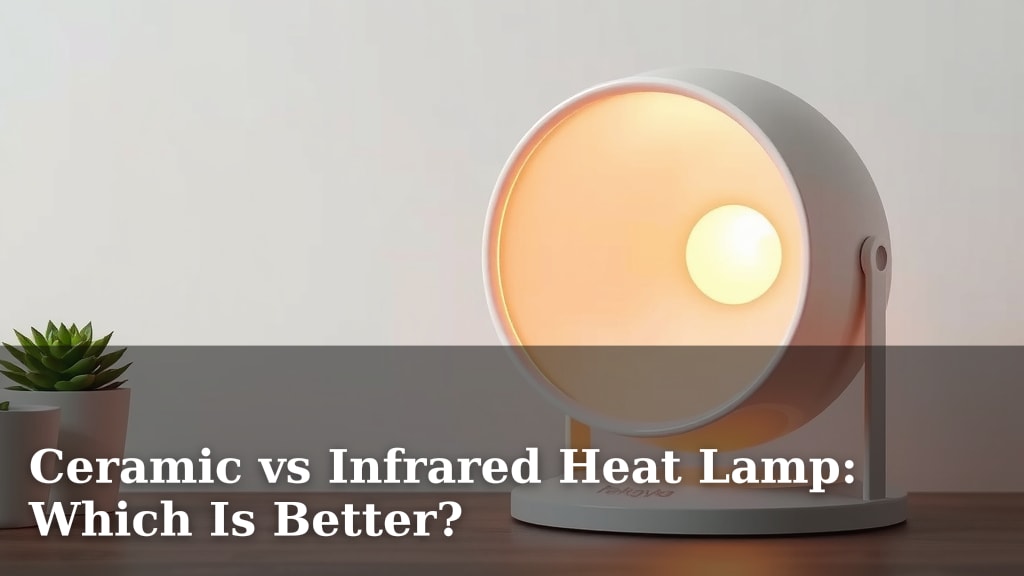
Ceramic vs Infrared Heat Lamp: Which Is Better?
For most common uses, ceramic heat lamps are generally better than infrared heat lamps if you need gentle, ambient warmth. Ceramic emitters provide a softer heat that spreads more evenly, making them ideal for warming enclosed spaces without direct, intense rays. Infrared lamps, on the other hand, are designed for focused, direct heat. You’ll find they excel at targeting specific spots.
Deciding between them really depends on your specific needs. Are you trying to warm a whole room or just a single pet? We found that understanding how each type works is key to making the right choice. Ceramic lamps are often preferred for reptile enclosures or brooder boxes because they mimic natural, diffused heat. Infrared lamps are great for quick warming or if you need to heat a specific object from a distance, like a food warming station.
- Ceramic heat lamps offer gentle, diffused warmth.
- Infrared heat lamps provide focused, direct heat.
- Choose ceramic for ambient room heating.
- Opt for infrared for targeting specific areas.
- Your intended use dictates the best choice.
Let’s break down the differences and help you figure out which type of heat lamp is the perfect fit for your situation. We’ll look at how each one heats and where they perform best.
You’re looking to add a heat source, and the options can seem a bit confusing. Two popular choices are ceramic heat lamps and infrared heat lamps. They sound similar, but they work in fundamentally different ways. Understanding these differences is key to picking the right one for your needs. We’ve researched how each type of lamp functions to help you decide.
Ceramic vs. Infrared: Understanding the Heat Differences
How do these lamps actually create heat? It’s not as simple as just plugging them in and getting warmth. We found that the method of heat generation is the biggest differentiator.
How Ceramic Heat Lamps Work
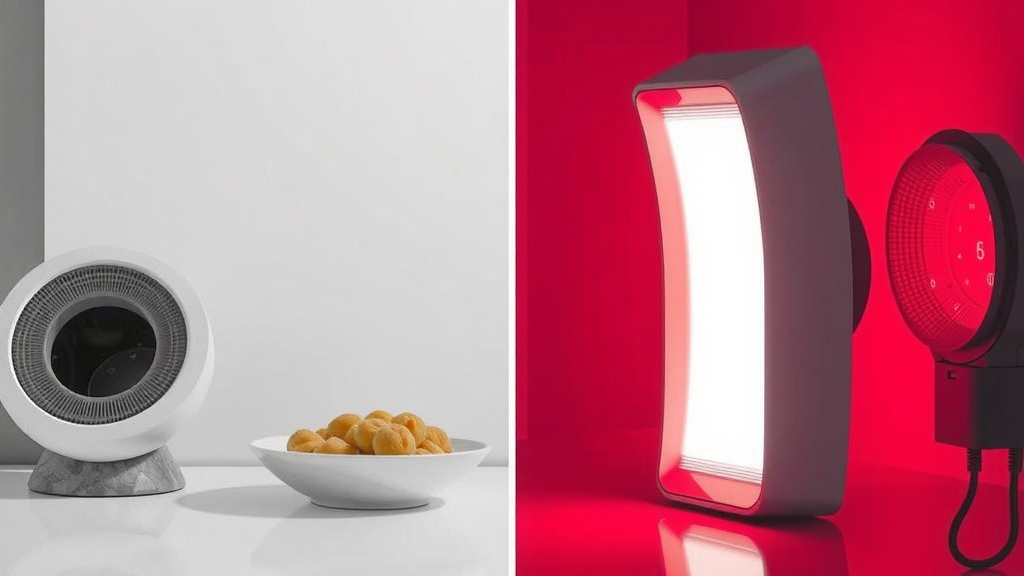
Ceramic heat emitters are a bit like a stove burner. They don’t produce light, which can be a good thing. They generate heat through a resistance element. This element heats up a ceramic body. The ceramic then radiates a gentle, ambient warmth. Think of it as a cozy, even heat that spreads out. This is great for raising the overall temperature of a space.
The Benefits of Diffused Heat
Because they emit lightless heat, ceramic lamps are excellent for animals that need warmth 24/7. They won’t disrupt their day-night cycles. This diffused heat is also very consistent. It spreads out more evenly than a direct heat source. We found that this makes them ideal for enclosed environments where you need a stable temperature.
How Infrared Heat Lamps Work
Infrared heat lamps work differently. They emit infrared radiation. This radiation is a form of light, though often invisible to the human eye. It directly heats objects and surfaces it strikes. It doesn’t primarily heat the air around it. Think of the warmth you feel from the sun on your skin, even on a cool day. That’s a good analogy for how infrared heat feels.
Focused and Direct Warmth
This direct heating effect means infrared lamps are very good at targeting specific spots. You can aim them at a particular area or object. The heat is more intense in that zone. This can be useful if you need to quickly warm something up or provide a hot spot. We found that this focused heat isn’t great for raising the general room temperature.
Comparing Performance: Where Each Lamp Shines
So, which one is better? It really depends on what you’re trying to achieve. We looked at common uses to see where each lamp performs best.
Best Uses for Ceramic Heat Lamps
Ceramic heat lamps are often the go-to for creating a consistent, background warmth. Many reptile keepers use them. They mimic the warm environment many species need without the harsh light. This also applies to raising young chicks or ducklings in a brooder box. You want a gentle, all-around warmth. We found that they help maintain a stable temperature in these enclosed setups.
Maintaining Ambient Temperature
If your goal is to warm up an entire small enclosure or a confined space, a ceramic emitter is usually the better choice. It’s like setting your thermostat to a comfortable room temperature. You don’t feel a direct blast of heat, but the whole area is pleasantly warm. This is what makes them so popular for creating a stable habitat.
Best Uses for Infrared Heat Lamps
Infrared lamps are fantastic for specific tasks. Think about warming up food quickly. They are commonly used in kitchens for this purpose. Or perhaps you need to provide a basking spot for a pet. An infrared lamp can create a very warm area for them to go to. We found that their direct heating is efficient for these focused needs.
Targeted Heating Applications
If you need to heat something specific from a distance, infrared is your friend. It’s less about warming the air and more about delivering warmth precisely where you want it. This targeted approach can be very useful. It’s like using a targeted spotlight of heat. Many experts point to this focused application as a key advantage (National Institutes of Health).
Key Differences at a Glance
Let’s put the core differences side-by-side. This can help you quickly see which type might fit your situation better. We compiled the main points below.
| Feature | Ceramic Heat Lamp | Infrared Heat Lamp |
|---|---|---|
| Heat Type | Radiant, diffused, ambient | Radiant, direct, targeted |
| Light Emission | None (dark) | Often emits light (can be visible or invisible) |
| Primary Use | Warming enclosed spaces, ambient heat | Heating specific objects or areas, spot heating |
| Heating Effect | Warms the air and surfaces evenly | Warms objects directly in its path |
| Best For | Reptile enclosures, brooder boxes, general ambient warmth | Food warming, basking spots, quick targeted heating |
Making Your Final Decision: A Quick Checklist
Still on the fence? Ask yourself these questions. Your answers will likely point you in the right direction. We’ve found this approach helpful for our readers.
- Do you need to warm a whole space or just a small spot?
- Is light emission a concern for your application?
- Do you need gentle, even warmth or intense, direct heat?
- What is the primary purpose of this heat source?
- Are you trying to maintain a specific ambient temperature?
Conclusion
Choosing between a ceramic and infrared heat lamp comes down to your specific heating needs. If you’re aiming for a gentle, ambient warmth that maintains a stable temperature without disrupting light cycles, a ceramic heat lamp is your best bet. They excel at warming enclosed spaces evenly. For applications where you need to quickly heat a specific object or create a concentrated hot spot, an infrared heat lamp is more effective. It focuses its heat directly where you aim it. Consider your primary goal: widespread comfort or targeted warmth. Review the key differences and your intended use, and you’ll confidently select the right lamp for your situation.
Frequently Asked Questions
Can I use an infrared heat lamp in my reptile’s terrarium?
Yes, you can, but with caution. Infrared heat lamps are excellent for creating a basking spot, allowing your reptile to choose a warmer area. However, they primarily heat objects directly and can be too intense if not properly positioned. We found that many keepers prefer ceramic emitters for overall ambient warmth to avoid harshness and light disruption.
Will a ceramic heat lamp make noise?
Ceramic heat lamps are generally silent. They work by heating a ceramic element through electrical resistance, which then radiates heat. You won’t hear any fan noise or buzzing. This makes them an excellent choice for quiet environments where you need consistent warmth without added sound.
How long do ceramic heat lamps typically last?
With proper use and ventilation, ceramic heat emitters can last for a very long time, often thousands of hours. Their lifespan depends on the quality of the unit and how often it’s used. We’ve found that avoiding frequent on-off cycles can help extend their longevity, similar to other heating elements.
Can infrared heat lamps be used for general room heating?
Infrared heat lamps are not ideal for general room heating. They work by directing heat onto specific surfaces and objects, rather than heating the air itself. While you might feel warm standing directly in the beam, the rest of the room will remain cooler. Ceramic heat lamps are better suited for raising the overall ambient temperature of a space.
Are ceramic heat lamps safe for overnight use?
Yes, ceramic heat lamps are considered safe for overnight use because they do not produce light. This is crucial for nocturnal or crepuscular animals like many reptiles, as it won’t interfere with their natural day-night cycles. Always ensure they are properly installed and have adequate spacing from flammable materials.



![10 Best Budget Floor Lamps [2026]](https://bestdesklamp.com/wp-content/uploads/2026/08/10-best-budget-floor-lamps-2026-featured-768x432.jpg)