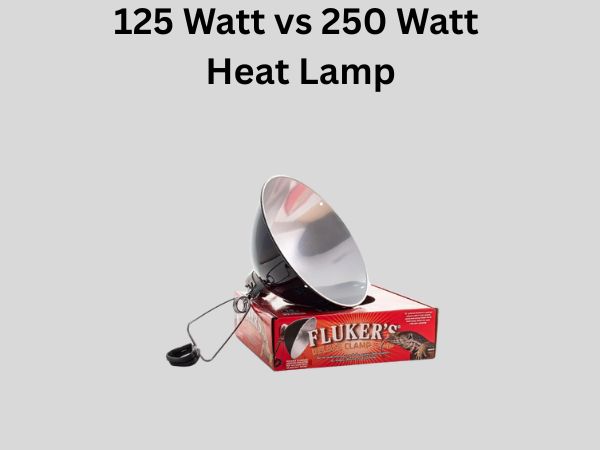
125 Watt vs 250 Watt Heat Lamp: Which One Is Better for Chicks or Pets?
When you’re setting up a brooder for your chicks or creating a warm habitat for your reptiles and small pets, choosing the right heat lamp can feel overwhelming. You’ve probably stood in front of store shelves wondering whether a 125-watt or 250-watt heat lamp is the better investment. The truth is, there’s no one-size-fits-all answer, and that’s what we’re here to explore together. Let me walk you through everything you need to know to make an informed decision that’ll keep your feathered or scaly friends happy and healthy.
Understanding Heat Lamp Basics: What You Need to Know
Think of a heat lamp like the sun for your indoor animals. Just as the sun provides warmth and light to creatures in nature, a heat lamp serves the same purpose in captivity. But before we dive into comparing the two wattages, let’s establish what a heat lamp actually does and why it matters so much for your pets.
What Is a Heat Lamp and How Does It Work?
A heat lamp is an electrical device that emits infrared radiation, which transforms into heat when it strikes a surface. Unlike regular light bulbs that waste most of their energy as heat, heat lamps are specifically designed to convert electrical energy directly into thermal energy. When you plug in a heat lamp, electricity passes through a filament, causing it to glow and radiate warmth downward toward your animals.
The wattage you choose determines how much heat the lamp produces and how intense that warmth will be. It’s similar to choosing between a candle and a campfire—both produce light and heat, but the campfire is far more powerful.
Why Temperature Control Matters for Animals
Young chicks and reptiles are cold-blooded or require external heat sources to regulate their body temperature. Without proper warmth, they become lethargic, stop eating, and can develop serious health problems. I’ve seen countless cases where inadequate heating led to stunted growth and weakened immune systems. Getting the temperature right isn’t just about comfort—it’s about survival and thriving.
The 125-Watt Heat Lamp: A Closer Look
The 125-watt heat lamp is like the sedan of the heating world—practical, efficient, and sufficient for many situations. Let’s break down what makes this wattage unique.
Heat Output and Temperature Range
A 125-watt heat lamp produces approximately 125 joules of energy per second, which translates to moderate heat output. When positioned correctly, usually between 12 to 18 inches above your animals, it can maintain surface temperatures between 85 and 95 degrees Fahrenheit, depending on your ambient room temperature and the reflector used.
Here’s something important: the actual temperature your animals experience depends on several factors beyond just the wattage. These include:
- Distance from the lamp to the animal
- Type and quality of the reflector hood
- Room temperature and insulation
- Size of the brooder or enclosure
- Time of day and external light sources
Best Applications for 125-Watt Lamps
The 125-watt lamp works beautifully for smaller operations and specific scenarios. If you’re raising a small batch of chicks—say, up to a dozen—in a well-insulated brooder, this wattage might be perfect. It’s also ideal for:
- Heating smaller reptile terrariums
- Creating basking spots for bearded dragons and similar-sized reptiles
- Supplementary heating in moderate climates
- Single-animal setups or small family pets
Advantages of Choosing 125 Watts
Let me share the real benefits of going with a 125-watt lamp. First, there’s the financial aspect—these bulbs are cheaper than their more powerful counterparts, sometimes costing 30 to 40 percent less. Your electricity bill will also thank you since you’re using less power.
Additionally, 125-watt lamps are less likely to overheat a small space. If you’re worried about accidentally cooking your chicks or burning a curious pet, the lower wattage provides a safety margin. They’re also lighter on energy bills during extended use, which matters if you’re running the lamp 24/7 during critical growth periods.
Potential Drawbacks of 125-Watt Heat Lamps
However, there are limitations worth considering. If you’re raising a larger flock of chicks or trying to heat a spacious enclosure, 125 watts might leave cold spots where your animals can escape the warmth. Some areas of the brooder might reach the desired temperature while others remain uncomfortably cool, forcing your chicks to huddle constantly.
During cold winters or in northern climates, you might find yourself unable to achieve the necessary temperature without supplementary heating. You’re essentially trying to warm a large space with limited power.
The 250-Watt Heat Lamp: What Sets It Apart
If the 125-watt is a sedan, the 250-watt is definitely a pickup truck—more powerful, capable of handling heavier loads, and designed for tougher jobs.
Heat Output and Temperature Capabilities
A 250-watt heat lamp doubles the energy output, producing approximately 250 joules per second. This translates to significantly more heat distribution. Positioned at the same 12 to 18-inch distance, a 250-watt lamp can maintain surface temperatures between 95 and 110 degrees Fahrenheit, giving you more control and reaching higher absolute temperatures when needed.
The beauty of doubling the wattage is that you’re not just increasing heat—you’re expanding your options. You can position the lamp farther away to reduce intensity, or you can use it to heat larger spaces more effectively.
Ideal Scenarios for 250-Watt Heat Lamps
Larger operations absolutely benefit from 250-watt lamps. If you’re raising 25 or more chicks, or if you’re heating a large reptile enclosure, this wattage shines. Consider using 250-watt lamps for:
- Large chicken brooder setups with 20+ chicks
- Spacious reptile terrariums or outdoor pens
- Commercial or farm-scale operations
- Heating multiple basking areas in a single enclosure
- Cold climate applications where ambient temperatures are very low
Advantages of 250-Watt Heat Lamps
The primary advantage is flexibility and power. You can heat larger areas more uniformly, reducing the likelihood of cold spots. This means your animals have more freedom to move around while staying warm.
Another significant benefit is precision control. With a more powerful lamp, you can position it farther away from your animals to achieve the same temperature as a 125-watt lamp positioned closer. This increased distance reduces the risk of accidental burns from direct contact with the hot bulb.
If you’re in a variable climate or plan to expand your operation later, choosing 250 watts future-proofs your investment. You’ll have the thermal capacity to handle growth without needing to purchase additional equipment.
Disadvantages and Considerations for 250-Watt Lamps
The trade-off comes in cost and complexity. These bulbs are more expensive upfront, and they consume twice as much electricity. For small operations, this additional power represents unnecessary expense and environmental impact.
There’s also the overheat risk if you’re not careful. In a small brooder or enclosure, a 250-watt lamp can quickly raise temperatures to dangerous levels. You’ll need to be more vigilant about distance management and temperature monitoring to prevent your animals from becoming overheated.
Comparing the Two: Direct Head-to-Head Analysis
Now let’s put these two options directly against each other across several important dimensions.
Cost Comparison and Long-Term Investment
A 125-watt bulb typically costs between $8 and $15, while a 250-watt bulb ranges from $12 to $25. But the real cost extends beyond the initial purchase. Operating a 250-watt lamp costs roughly twice as much per hour of use. Over a 6-week brooding period running 24/7, the difference could amount to $20 to $50 in additional electricity costs alone.
However, if you’re raising large numbers of animals or operating in a cold climate, the efficiency of the 250-watt lamp might actually save money by reducing the need for multiple lamps or supplementary heating.
Temperature Control and Precision
The 125-watt lamp excels when you need to maintain steady, moderate warmth. It’s harder to accidentally overshoot your target temperature, which can be valuable if you’re new to animal care.
The 250-watt lamp gives you more granular control through positioning flexibility. You can fine-tune temperatures more easily by adjusting the height of the lamp, making it better for applications where temperature precision matters greatly.
Space Coverage and Heat Distribution
In a small brooder measuring 2×2 feet, a 125-watt lamp provides even coverage with a warm zone and cooler edges—actually ideal for giving animals options. Expand that to a 3×4-foot brooder, and you’ll likely find the 125-watt creates uncomfortable temperature gradients.
The 250-watt lamp covers larger areas more uniformly, reducing the temperature differential between the center and edges of your enclosure.
Safety and Animal Welfare
Both lamps are safe when used correctly with proper guards and fixtures. The 125-watt lamp has a slightly lower burn risk due to lower surface temperatures. The 250-watt requires more careful distance management but offers the advantage of operating at greater distances, which naturally creates a safety buffer.
Choosing the Right Lamp for Your Specific Needs
The decision ultimately hinges on your unique circumstances. Let me help you think through the key questions.
Assessing Your Animal Count and Space
Start by counting how many animals you’re heating and measuring your brooder or enclosure. A general rule is that each chick requires about 0.5 square feet in the first week, expanding to 1 square foot by week 6. Calculate your total enclosure area and number of animals. If you’re heating fewer than 15 chicks in a space under 20 square feet, 125 watts likely suffices. For larger operations, lean toward 250 watts.
Climate and Season Considerations
Where are you located, and what season are you raising animals? If you’re in the American South brooding in spring when ambient temperatures are already 70°F, a 125-watt lamp provides all the supplementary warmth you need. Conversely, if you’re in Minnesota in January starting with 50°F indoor temperatures, you might need 250 watts to reach necessary brooder temperatures.
Your Budget Reality
Be honest about what you can afford upfront and monthly. A smaller investment might mean compromising on space coverage, but it could be the right choice for your finances. If budget allows, the slightly higher cost of 250 watts provides more flexibility and fewer limitations.
Thermostat Compatibility
Do you plan to use a thermostat to control temperature automatically? Both wattages work with thermostats, but with a 250-watt lamp and thermostat, you gain precise temperature regulation that’s harder to achieve with 125 watts, especially in variable environments.
Setting Up Your Heat Lamp for Success
Regardless of which wattage you choose, proper setup determines your success.
Installation Best Practices
Mount your heat lamp securely using a ceramic fixture rated for the wattage you’ve chosen. Position the reflector directly above the heat source to direct warmth downward. Use a reliable clamp or mounting bracket that won’t slip or fall.
Ensure adequate ventilation in your brooder to prevent overheating and reduce moisture buildup. Place a thermometer on the brooder floor where your animals will experience the warmth, not above where you might place the bulb.
Temperature Monitoring and Adjustment
Check temperatures multiple times daily, especially during the first week. Young chicks need 95°F the first week, decreasing by 5°F each week until reaching ambient room temperature. Reptile basking spots typically need 85-95°F for most species, with cooler areas nearby.
Watch your animals’ behavior. If they huddle constantly under the lamp, it’s too cold. If they avoid the heat and spread to the corners, it’s too hot. They should naturally cluster when cold and disperse when comfortable.
Troubleshooting Common Heat Lamp Issues
Even with the best lamp, problems sometimes arise. Let me share solutions to frequent challenges.
Temperature Won’t Reach Target
If your lamp isn’t reaching necessary temperatures, first check that it’s rated correctly and functioning properly. Replace the bulb if it’s old or dimmed. Lower the lamp closer to your animals, but maintain a minimum safe distance of 12 inches. Improve insulation around your brooder with cardboard, wood, or specialized brooder covers. Consider adding a second lamp if you’ve truly maxed out the first one’s capacity.
Overheating Problems
If temperatures climb too high, raise the lamp higher. Add shade areas using cardboard or cloth that blocks direct heat while maintaining circulation. If you’re using a 250-watt lamp in a small space, this problem is preventable through proper distance management. In extreme cases, upgrade to a 125-watt lamp if you’ve overdone it with power.
Conclusion
The choice between a 125-watt and 250-watt heat lamp isn’t about finding the objectively “better” option—it’s about finding the right tool for your specific situation. Think of it like choosing between a house and an apartment; neither is universally superior, but each suits different needs perfectly.
Choose the 125-watt lamp if you’re raising a small number of animals, operating on a tight budget, or already have moderate ambient temperatures. This wattage provides efficient, adequate warming for these scenarios without unnecessary expense or complexity.
Opt for the 250-watt lamp if you’re running a larger operation, live in a cold climate, or want maximum flexibility and uniform heat distribution. The additional power investment pays dividends in comfort for your animals and convenience for you.
Whichever you choose, remember that the lamp itself is just part of the equation. Proper setup, diligent temperature monitoring, and responsive adjustments matter far more than raw wattage. Your animals will thrive when you understand their needs, match those needs with appropriate equipment, and remain attentive to their comfort. That combination—knowledge, equipment, and care—creates the ideal environment for healthy, happy animals.
Frequently Asked Questions
Can I use a 250-watt heat lamp for a small brooder with just five chicks?
Technically yes, but it requires careful management. You’ll need to position the lamp significantly higher than you would with a 125-watt lamp, creating a safety gap between the bulb and your chicks. Monitor temperatures constantly to prevent overheating. For just five chicks, a 125-watt lamp is genuinely the better choice because it provides adequate warmth with less risk and expense. Save the 250-watt for larger operations where its power justifies the additional

![10 Best Bulb For Floor Lamp [2026]](https://bestdesklamp.com/wp-content/uploads/2026/08/10-best-bulb-for-floor-lamp-2026-featured-768x432.jpg)