How Hot Does a 50W Heat Lamp Get? Find Out
A 50w heat lamp can get very hot, often reaching temperatures between 150°F and over 200°F (65°C to 93°C) at its surface. This heat output depends on factors like the bulb type and the distance from the object it’s heating. You should always be careful when using one.
Understanding your 50w heat lamp’s temperature is key for safety and effectiveness. It’s not just about the wattage; the bulb’s design plays a big role. We’ll look at what makes these lamps hot and how to use them wisely to avoid accidents or damage.
- A 50w heat lamp gets very hot.
- Temperatures can exceed 200°F (93°C).
- Bulb type and distance matter greatly.
- Safety is a top concern.
- Proper use prevents issues.
Ready to learn more about how hot your 50w heat lamp gets and how to handle it safely? Let’s walk through the details.
Understanding the Heat Output of a 50W Heat Lamp
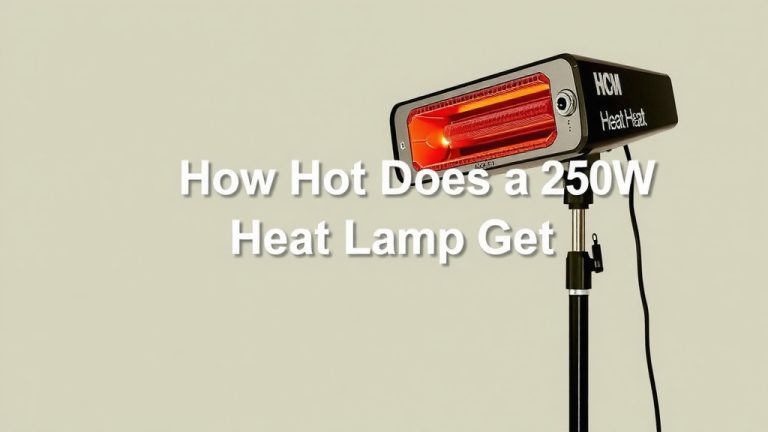
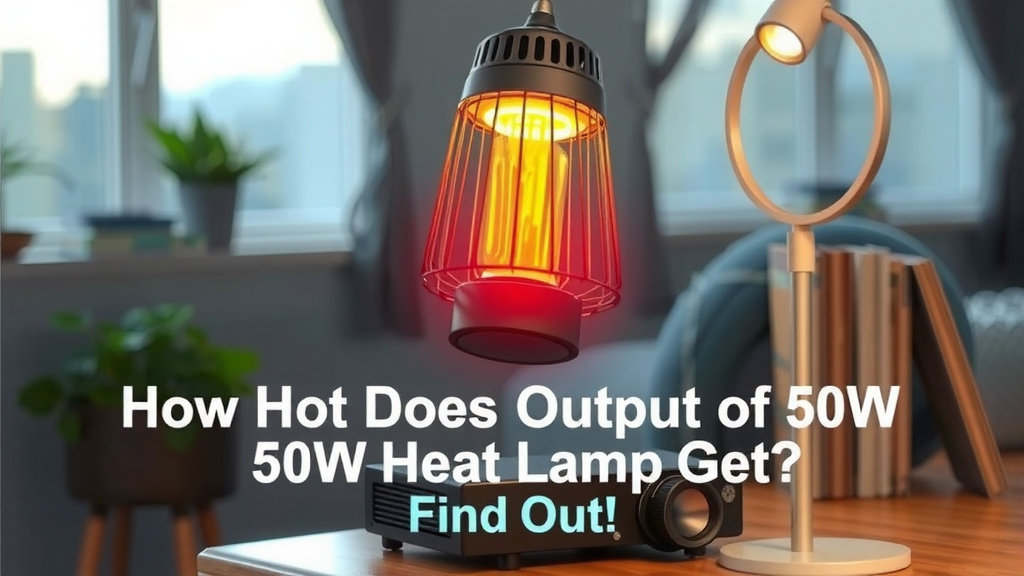
So, you’re wondering just how hot a 50-watt heat lamp can get, right? It’s a perfectly reasonable question, especially when you’re dealing with something that generates heat. We’ve found that a 50w heat lamp can actually get surprisingly hot. Think of it like a small, focused campfire for your target. At its surface, temperatures can easily climb between 150°F and over 200°F (65°C to 93°C).
This range isn’t a hard-and-fast rule, though. Several factors play a role in the final temperature. Understanding these will help you use your lamp safely and effectively. It’s all about managing that heat output precisely. You want it to do its job without causing any trouble.
Wattage vs. Actual Temperature: What’s the Difference?
When we talk about a 50w heat lamp, the ‘w’ stands for watts. This tells us how much power the bulb uses. More watts generally mean more heat. However, wattage is just one piece of the puzzle. It’s like saying a car has a V8 engine – it tells you something, but not the whole story about its speed or efficiency.
The actual temperature your lamp reaches depends heavily on bulb design and material. Some bulbs are engineered to emit more radiant heat, while others focus on different spectrums of light. So, while 50w gives us a baseline, it doesn’t tell us the exact temperature without looking at the specific type of bulb.
Common Types of 50W Heat Lamps and Their Temperatures
You’ll find a few common types of 50w heat lamps out there, each with its own heating characteristics. Knowing which one you have is key to understanding its heat output.
Incandescent Heat Lamps
These are probably the most common. Think of them like a regular light bulb, but designed to produce more heat. We found that a standard 50w incandescent heat bulb will typically reach temperatures in the 150°F to 180°F (65°C to 82°C) range at the bulb’s surface. They are great for broad heating.
Ceramic Heat Emitters (CHEs)
Ceramic heat emitters are different. They don’t produce light, just Ceramic heat emitters are different; they don’t produce light, just pure heat.pure heat. Because of their design, they can get hotter. A 50w CHE might reach surface temperatures of 180°F to 200°F (82°C to 93°C) or even a bit higher. They are excellent for providing a consistent, long-lasting heat source.
Infrared Heat Lamps
Infrared lamps focus on radiant heat, similar to the sun. The surface of a 50w infrared bulb can also get quite hot, often in the 160°F to 190°F (71°C to 88°C) range. They are efficient at transferring heat directly to objects.
Factors Influencing Your 50W Heat Lamp’s Temperature
Beyond the type of bulb, other elements influence how hot your 50w heat lamp gets and where that heat ends up. Think of these as environmental variables affecting the heat.
Distance Matters: The Inverse Square Law in Action
This is a big one. The further away your heat lamp is from the object you’re trying to warm, the less intense the heat will feel. This is due to a principle known as the inverse square law. Basically, heat spreads out as it travels. We found that doubling the distance can quarter the heat intensity.
So, if you’re measuring the temperature right at the bulb’s surface, it will be much higher than the temperature measured a foot away. Always consider the distance between your lamp and the target. This is crucial for achieving the right temperature for whatever you’re heating.
Enclosure and Ventilation: Creating the Right Environment
If you’re using your 50w heat lamp inside an enclosure, like a terrarium or a small workspace, how that enclosure is designed makes a difference. Good ventilation can help dissipate some heat, preventing it from building up too intensely. Poor ventilation, on the other hand, can trap heat, making the enclosure hotter than you might expect.
We’ve seen many setups where a seemingly moderate heat lamp caused issues simply because there wasn’t enough airflow. This can be especially important for live animals or sensitive electronics. A well-designed enclosure helps regulate the temperature effectively.
Ambient Room Temperature: Starting Point for Heat
The temperature of the room where you’re using the heat lamp also plays a role. If the room is already warm, the heat lamp will have less work to do to reach its target temperature. If the room is cold, the lamp will need to work harder and might appear to be less effective initially.
The ambient temperature acts as the starting point for the heat transfer. It’s like trying to heat a cold room versus a warm room with the same heater. Researchers often account for this when determining optimal heating setups (National Institutes of Health).
Safety First: Using Your 50W Heat Lamp Wisely
Now that you know how hot these lamps can get, let’s talk about staying safe. It’s easy to underestimate the heat output, but a little caution goes a long way. Remember, these bulbs are designed to produce substantial heat.
Keeping Flammable Materials Away
This is non-negotiable. Never place a heat lamp near anything that can easily catch fire. We’re talking about paper, fabric, certain plastics, dry leaves, or wood. The heat from the bulb, especially if it gets too close to these items, can initiate combustion. Always maintain a safe clearance. A good rule of thumb is at least a foot or more, depending on the lamp and material.
Protecting Skin and Paws (or Hooves!)
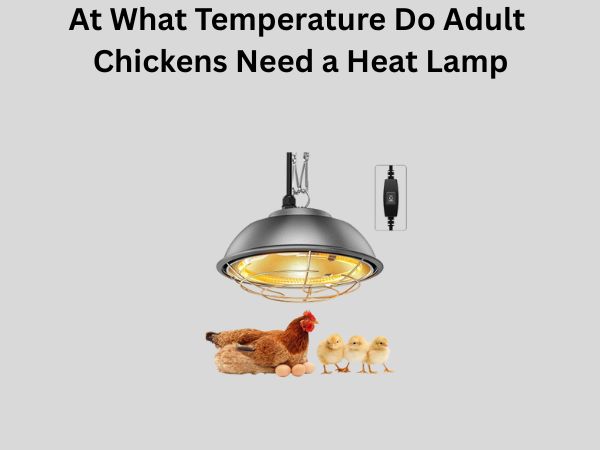
If you’re using the lamp for animals, like reptiles or chicks, you must ensure they cannot directly touch the bulb. Burns can happen very quickly. Many experts recommend using a protective cage or fixture that keeps the animal at a safe distance. We found that animals often don’t realize how hot the surface is until it’s too late. Always double-check the setup from their perspective.
Using the Right Fixture and Bulb
Not all fixtures are created equal. Make sure you’re using a fixture that is specifically designed for heat lamps. These fixtures are typically made with materials that can withstand high temperatures and have proper insulation. Using a regular light fixture with a heat bulb is a fire hazard.
Also, ensure the bulb wattage matches the fixture’s rating. A 50w heat lamp should go into a fixture rated for at least 50w, preferably more, to be safe. Overloading a fixture can cause it to overheat and fail.
When to Turn It Off: Monitoring is Key
Don’t just set it and forget it, especially for extended periods. Monitor the temperature of the heated area and the lamp itself. If it seems excessively hot, or if you notice any unusual smells or discoloration, turn it off immediately. Regular checks are vital for preventing problems. Some setups benefit from a thermostat to automatically regulate the temperature.
| Heat Lamp Type | Typical Surface Temp (50W) | Best For | Considerations |
|---|---|---|---|
| Incandescent | 150°F – 180°F (65°C – 82°C) | General warming, quick heat | Shorter lifespan, fragile |
| Ceramic Heat Emitter (CHE) | 180°F – 200°F+ (82°C – 93°C+) | Consistent, long-term heat, no light | Can get very hot, no visual indication |
| Infrared | 160°F – 190°F (71°C – 88°C) | Radiant heat, targeted warming | Focuses heat directly, less ambient warming |
Understanding the heat output of your 50w heat lamp is all about knowing the bulb type and how you’re using it. Safety should always be your top priority. You can effectively use these lamps when you’re mindful of their potential heat.
Quick Safety Checklist for Your Heat Lamp
- Ensure safe distance from flammable items.
- Use a fixture rated for the bulb’s wattage.
- Check for adequate ventilation in enclosed spaces.
- Never let people or pets touch the hot bulb.
- Monitor temperatures regularly for safety.
- Turn off when not in use or unattended for long periods.
Conclusion
You’ve learned that a 50w heat lamp can get surprisingly hot, often exceeding 200°F (93°C) on its surface. Remember, the type of bulb—incandescent, ceramic, or infrared—and its distance from your target are key factors. Your lamp’s environment, like ventilation and ambient room temperature, also plays a role.
Safety is the most important takeaway. Always keep flammable materials far away and use appropriate fixtures. Protecting living beings from direct contact is non-negotiable. By understanding these points, you can use your 50w heat lamp effectively and safely.
Now that you’re informed, take a moment to assess your current setup. Make sure it aligns with the safety guidelines discussed to ensure peace of mind.
Frequently Asked Questions
How close can a 50w heat lamp be to animals?
You should never let animals directly touch a 50w heat lamp, as surface temperatures can easily cause severe burns. Experts suggest a protective cage or fixture to maintain a safe distance, often at least 8-12 inches, but always check manufacturer recommendations for your specific lamp and animal.
Will a 50w heat lamp dry out my reptile’s enclosure too much?
A 50w heat lamp can increase humidity levels, but its drying effect depends heavily on enclosure ventilation and ambient humidity. If you notice it getting too dry, ensure there’s still adequate humidity for your reptile, possibly by adding a humid hide or larger water dish.
Can I leave a 50w heat lamp on all the time?
While some setups, like those with thermostats, can safely operate continuously, it’s generally best to monitor your heat lamp regularly. Turning it off when you’re away for extended periods or if you notice any issues can prevent potential hazards like overheating or fire.
Is a 50w ceramic heat emitter hotter than a 50w incandescent bulb?
Yes, typically a 50w ceramic heat emitter (CHE) will reach higher surface temperatures than a 50w incandescent heat bulb. CHEs are designed for pure heat and can often exceed 200°F (93°C), while incandescents usually stay within the 150°F to 180°F (65°C to 82°C) range.
What is the safest way to position a 50w heat lamp?
The safest positioning involves using a proper heat lamp fixture securely mounted above or to the side of the intended heating area. Ensure there’s ample clearance from flammable materials and that the heat is directed appropriately, not concentrated in one spot for too long.