At What Temperature Do Adult Chickens Need a Heat Lamp? A Complete Guide
If you’re raising chickens, you’ve probably wondered whether your feathered friends need a heat lamp when temperatures drop. It’s a question that crosses the mind of every chicken keeper, from beginners to experienced farmers. The answer isn’t as straightforward as you might think, and it really depends on several factors unique to your situation.
Understanding Chicken Physiology and Cold Tolerance
Before we dive into the specific temperatures, let’s talk about how chickens actually handle cold weather. Unlike humans who shiver and generate heat through muscle contractions, chickens have their own built-in heating system. They fluff up their feathers to trap warm air close to their skin, creating an insulating layer that’s remarkably effective. Think of it like wearing a puffy winter coat—the air pockets do most of the work, not the material itself.
Adult chickens are surprisingly hardy creatures. They’ve been living outdoors in harsh climates for thousands of years, which means they’ve developed some serious cold-weather survival skills. Their bodies naturally adapt to seasonal temperature changes, and this adaptation is actually crucial for their long-term health and productivity.
The Critical Temperature Threshold for Adult Chickens
Here’s what you really need to know: most healthy adult chickens can survive temperatures well below freezing without any supplemental heat. The magic number tends to hover around 32 degrees Fahrenheit, which is the freezing point of water. However, comfort and survival are two different things entirely.
Why 32 Degrees Matters
When temperatures drop to around 32 degrees Fahrenheit or lower, adult chickens can maintain their body heat without assistance, provided they have adequate shelter, dry bedding, and protection from wind and moisture. The key word here is “adequate.” A poorly insulated coop or damp conditions can quickly turn a survivable temperature into a dangerous one.
But just because they can survive doesn’t mean they’re comfortable or thriving. Chickens in cold conditions often reduce their egg production, eat more feed, and display signs of stress. If you’re raising chickens for eggs or meat, cold stress works against your goals.
The Comfort Zone for Optimal Performance
If you want your adult chickens to maintain good egg production, healthy immune systems, and overall well-being, you’re looking at keeping them in temperatures above 45 degrees Fahrenheit. This is where they truly thrive without the metabolic stress of generating excess body heat just to survive.
When Adult Chickens Actually Need Heat Lamps
Despite their cold tolerance, there are legitimate situations where adding a heat lamp to your adult chicken coop makes sense. Let’s break down these scenarios.
Extreme Cold Conditions
If you live in a region where temperatures regularly plunge to dangerous levels—we’re talking sub-zero Fahrenheit—adding a heat lamp becomes a practical consideration. Areas with extended winter periods and temperatures below negative 10 degrees can push even hardy adult chickens to their limits, especially if they’re breed types with smaller combs and wattles.
Molting Season Complications
Here’s something many beginners don’t realize: molting chickens lose their feathers temporarily, which means they lose their insulation. If your chickens are molting during the onset of cold weather, a heat lamp can prevent dangerous heat loss during this vulnerable period. It’s like being caught outside without your winter coat when snow starts falling.
Health Compromised Birds
Sick or recovering chickens have reduced metabolic capacity. If you have a bird that’s been ill or injured, you might want to provide supplemental heat to prevent hypothermia while they heal. This is a temporary measure, not a long-term solution, but it can make the difference between recovery and tragedy.
Freshly Hatched Chicks in the Flock
Wait—we’re talking about adult chickens here, but it’s worth noting that young chicks under eight weeks absolutely need heat lamps. If you’ve got a broody hen with newly hatched chicks during winter, the hen will handle most of the warming, but supplemental heat might help those vulnerable babies survive.
Factors That Influence Heat Lamp Necessity
Chicken Breed Considerations
Not all chicken breeds are created equal when it comes to cold tolerance. Some breeds are specifically developed for cold climates and have denser feathering and smaller combs and wattles—features that reduce frostbite risk. Breeds like Wyandottes, Brahmas, and Cochins are cold-hardy champions. On the flip side, breeds with large combs and wattles, like Leghorns and Silkies, struggle in frigid conditions.
If you’ve chosen a cold-hardy breed, you’re probably fine without a heat lamp down to 20 degrees Fahrenheit. If you’ve got breeds that aren’t naturally suited to cold, you might want to provide supplemental heat earlier in the season.
Coop Ventilation and Insulation Quality
The quality of your coop infrastructure matters enormously. A well-insulated coop with proper ventilation but no drafts creates a microclimate that’s significantly warmer than the outside air. If your coop is poorly ventilated with gaps and cracks, that cold air gets in, and your chickens will need additional heat support.
Ventilation is tricky because you need air circulation to prevent ammonia buildup from manure, but you don’t want drafts hitting your roosting chickens directly. Finding this balance makes a heat lamp less necessary.
Bedding Depth and Moisture Management
The bedding in your coop acts as both insulation and moisture management. Deep litter that’s kept dry creates a warmer environment for your chickens to perch above. If bedding becomes wet and damp, it loses its insulating properties and becomes a liability. Wet conditions combined with cold temperatures increase frostbite risk dramatically.
Roosting Space and Coop Crowding
When chickens roost together at night, they share body heat. A coop that’s slightly crowded for summer becomes actually beneficial in winter. The collective body heat from multiple birds raises the ambient temperature inside the coop naturally. If you’ve got just a few chickens in a huge space, they generate less collective warmth and might benefit from supplemental heat.
Risks of Using Heat Lamps in Chicken Coops
Here’s something controversial: some experienced chicken keepers actually advise against heat lamps for adult chickens, and they have good reasons.
The Temperature Shock Problem
If you keep your coop at 70 degrees Fahrenheit with a heat lamp, but your chickens go outside into 20-degree weather during the day, that temperature differential is brutal. Their bodies haven’t acclimated to the cold, so they’re more likely to experience shock and stress. It’s like jumping from a hot tub into a freezing pool—the contrast alone can be dangerous.
Chickens need to gradually acclimate to seasonal temperature changes. This gradual shift allows their bodies to make physiological adjustments naturally. Artificially maintaining warmth prevents this natural acclimatization, which weakens their cold tolerance.
Fire Hazard Concerns
Heat lamps in coops create genuine fire risks. The combination of heat, dry bedding, wood structures, and sometimes flammable dust creates a fire triangle waiting to happen. Many devastating barn fires have started from improperly secured or malfunctioning heat lamps. If you do use one, you need heavy-duty safety measures.
Increased Feed Consumption Without Benefit
Artificially heated coops keep your chickens warm without requiring them to generate their own body heat through metabolism. This sounds nice, but it means they’re not burning calories to stay warm, yet they’re still eating normally. You’re essentially paying more in electricity and feed without getting better egg production or meat quality.
Proper Coop Setup as an Alternative to Heat Lamps
Rather than relying on heat lamps, smart chicken keepers focus on creating a coop environment that naturally maintains safer temperatures.
Insulation Strategies
Adding insulation to your coop walls, roof, and even floors can maintain temperatures 10 to 15 degrees warmer than the outside air. Materials like straw, hay, or fiberglass batts work effectively. Some people use deep litter bedding, which generates heat through decomposition—this passive heating can warm the coop 5 to 10 degrees above ambient temperature.
Windbreak Protection
Wind chill is your enemy in winter. A coop sheltered by trees, fences, or buildings experiences significantly less wind penetration. This alone can make the difference between needing supplemental heat and maintaining sufficient warmth through natural means.
Moisture Control Systems
Wet conditions conduct heat away from chickens’ bodies. Ensuring your coop has excellent drainage, that waterers don’t leak, and that bedding stays dry prevents this heat loss. Some keepers use heated waterers to prevent water from freezing while also reducing moisture.
Adequate Roosting Height
Warm air rises. Roosting bars positioned higher in the coop place your chickens in the warmest zone. This simple physics principle works in your favor without costing a penny in electricity.
Signs Your Adult Chickens Are Cold Stressed
How do you know if your chickens actually need help staying warm? Watch for these signs.
- Huddling behavior where birds cluster together tightly for extended periods
- Reduced or stopped egg production despite adequate nutrition
- Decreased appetite and lethargy
- Frostbite on combs, wattles, or feet appearing as black, necrotic tissue
- Reluctance to leave the coop during daylight hours
- Behavioral changes like increased aggression or pecking
If you’re seeing these signs consistently, your birds are likely suffering cold stress, and intervention is warranted—whether through heat lamps or improved coop conditions.
Heat Lamp Specifications If You Decide to Use One
Wattage and Type
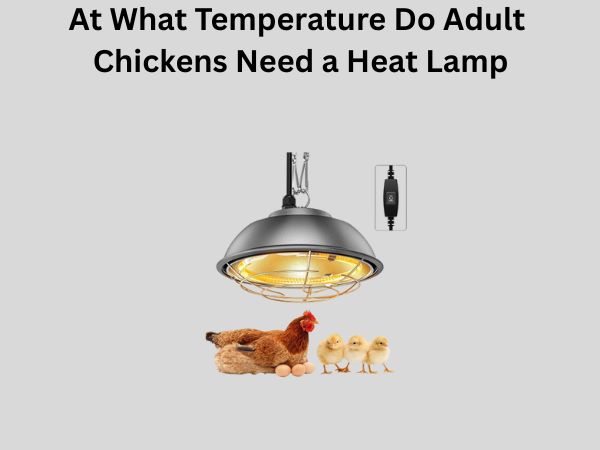
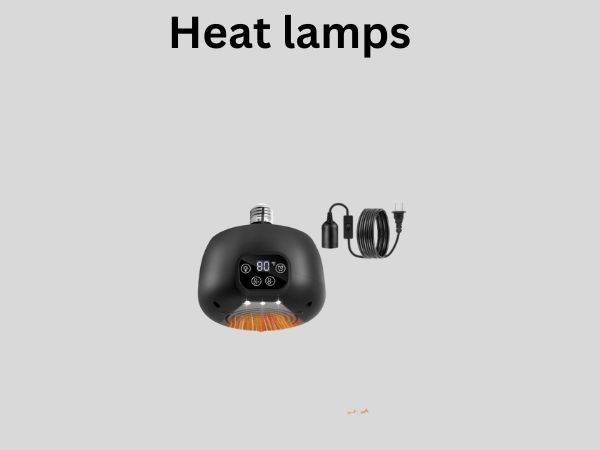
If you do decide to install a heat lamp, you’ll want a 250-watt infrared heat lamp at minimum for most coops. Infrared lamps are safer than standard incandescent because they emit heat rather than bright light, which won’t disrupt your chickens’ natural circadian rhythms. Red or ceramic heat lamps work better than white lamps for this reason.
Placement and Distance
Mount the lamp securely to prevent it from falling into bedding or onto birds. It should be positioned 18 to 24 inches above roosting areas, though distance varies based on lamp wattage. You want to create a warm zone that chickens can move into or away from based on their comfort level—not heat the entire coop uniformly.
Temperature Monitoring
Use a reliable thermometer to monitor actual coop temperature, not just outside air temperature. Digital thermometers with indoor-outdoor readouts are inexpensive and invaluable. Set your heat lamp on a thermostat if possible, so it cycles on and off rather than running continuously.
Regional Guidelines for Heat Lamp Use
Your geographic location significantly influences whether heat lamps are practical or necessary.
Northern and Extreme Cold Climates
If you’re in regions like Minnesota, Alaska, or the northern plains where temperatures routinely drop to 20 degrees Fahrenheit or colder, a heat lamp might be worth the investment and fire risk. The alternative is accepting that winter egg production will be minimal, or investing heavily in insulation and coop design.
Moderate Climate Regions
Areas where winter temperatures stay above 20 degrees Fahrenheit rarely need heat lamps if your coop is reasonably well-designed. A good insulated coop with proper ventilation keeps adult chickens in acceptable conditions throughout the winter.
Mild Climate Regions
If you live somewhere that rarely dips below freezing, your adult chickens will be absolutely fine without any heat source. Your focus should be on providing adequate shelter and protection from wind and moisture.
The Long-Term Health Implications of Heat Lamp Use
Using a heat lamp year-round or even throughout the winter can actually weaken your chicken flock’s natural cold tolerance. Chickens that have been kept warm artificially lose their ability to acclimate to temperature drops. This becomes a problem when your heat lamp fails or when you can’t provide supplemental heat for some reason.
From an evolutionary perspective, your chickens benefit from experiencing seasonal temperature changes. These changes trigger physiological adaptations that make them healthier and more resilient. By preventing these natural changes, you’re potentially creating birds that are more vulnerable long-term.
Economic Considerations of Heat Lamp Installation
Let’s talk dollars and cents. A 250-watt heat lamp running 24/7 for a three-month winter costs roughly 20 to 30 dollars per month in electricity. Over a season, that’s 60 to 90 dollars minimum. You also need a thermostat, potentially professional installation, and insurance considerations if you’re worried about fire risk.
Compare that to improving your coop insulation, which might cost 100 to 300 dollars initially but provides benefits for years without ongoing electricity costs or fire hazards. The math often favors proper coop design over heat lamps.
Conclusion
So, at what temperature do adult chickens need a heat lamp? The honest answer is that most healthy adult chickens don’t actually need one, even in quite cold conditions. They can survive down to 32 degrees Fahrenheit and remain reasonably productive down to 45 degrees with proper shelter and care.
However, certain circumstances warrant heat lamp installation: extreme climates with sustained sub-zero temperatures, molting birds in early winter, health-compromised individuals, or when you’re willing to accept the fire risk and electrical costs. For most backyard chicken keepers, investing in a well-insulated, properly ventilated coop with good bedding management and natural windbreaks will serve your flock far better than a heat lamp ever could.
Your chickens are tougher than you might think. They’ve been living through winters long before heat lamps existed, and they’ll continue doing just fine if you give them the basic tools they need: shelter from wind, dry bedding, adequate roosting space, and water that doesn’t freeze solid. Trust in their natural abilities, focus on good coop management, and you’ll have healthy, productive chickens all winter long.
Frequently Asked Questions
What is the absolute minimum temperature that adult chickens can tolerate?
Adult chickens can technically survive temperatures down to around 0 degrees Fahrenheit, though this depends heavily on the breed, coop conditions, and individual bird health. Cold-hardy breeds with excellent shelter might handle these extremes, but this is survival, not thriving. Most chickens remain comfortable and productive down to about 45 degrees Fahrenheit, and can survive down to 32 degrees with adequate shelter.
Does providing a heat lamp during winter improve egg production?
Not necessarily. While chickens in very cold conditions do reduce egg production, artificially heating the coop doesn’t always reverse this. In fact, the temperature shock between a heated coop and the cold outdoors can actually stress birds more. Maintaining steady, moderate temperatures through good coop design typically produces better results than artificial heating.
![10 Best Breastfeeding Lamp [2026]](https://bestdesklamp.com/wp-content/uploads/2026/08/10-best-breastfeeding-lamp-2026-featured-768x432.jpg)

![10 Best Bulb For Desk Lamp [2026]](https://bestdesklamp.com/wp-content/uploads/2026/08/10-best-bulb-for-desk-lamp-2026-featured-768x432.jpg)
![10 Best Circadian Rhythm Sleep Lamps [2026]](https://bestdesklamp.com/wp-content/uploads/2026/08/10-best-circadian-rhythm-sleep-lamps-2026-featured-768x432.jpg)