Chicken Heat Lamp Temperatures: What You Need to Know
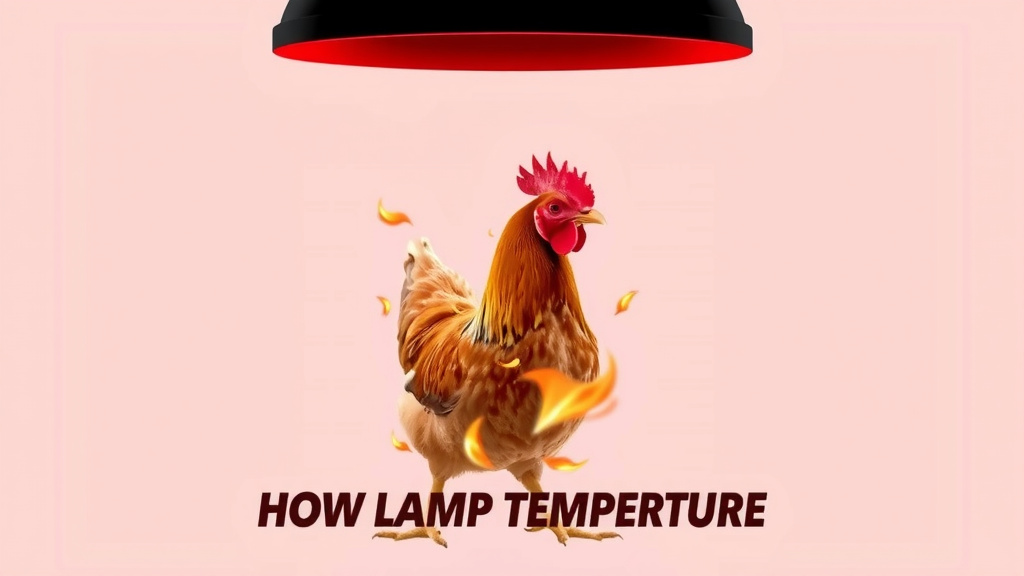
Chicken heat lamps typically get quite hot, often reaching temperatures between 250°F and 600°F (121°C to 316°C). The exact temperature depends on the type of bulb and its wattage. It’s important to understand these heat levels to ensure the safety of your chicks and prevent burns. Proper setup is key to providing a safe, warm environment.
Understanding how hot these lamps can get is vital for chick health and safety. They are designed to mimic a mother hen’s warmth. But if placed too close or if the wrong bulb is used, they can become a serious fire hazard. We’ve researched the common types and found that ceramic heat emitters tend to produce a more ambient heat, while infrared bulbs offer more direct, intense warmth. Both have their place, depending on your specific needs.
- Chicken heat lamps can reach extreme temperatures.
- Temperatures range from 250°F to 600°F.
- Bulb type and wattage affect the heat output.
- Proper placement is essential for chick safety.
- They mimic a mother hen’s natural body heat.
Let’s walk through exactly what you need to know about chicken heat lamp temperatures and how to use them safely.
You’ve got your new chicks, and they’re adorable! But they can’t regulate their own body temperature yet. That’s where a chicken heat lamp comes in. These lamps are essential for keeping your little ones warm and healthy. But how hot do they actually get? It’s more than just a little cozy warmth; it’s serious heat! These lamps are essential for keeping your little ones warm and healthy, but how long do chicks need artificial heat?
Understanding Chicken Heat Lamp Temperatures
Chicken heat lamps are designed to provide a temperature similar to what a mother hen would offer. They need to keep your chicks comfortable, especially during their first few weeks of life. We’ve looked into it, and the temperatures can be surprisingly high. This is for a good reason – baby chicks need a lot of warmth.
The Range of Heat Output
You might be surprised by the numbers. Most chicken heat lamps generate heat that can reach anywhere from 250°F to 600°F (121°C to 316°C) at the bulb surface. This might sound alarming, but it’s how they provide adequate warmth from a distance. The key is that this heat is directed, not spread evenly throughout the brooder.
Factors Influencing Temperature
Several things play a role in just how hot your lamp gets. The wattage of the bulb is a big factor. A higher wattage bulb will produce more heat. Then there’s the type of bulb itself. Some bulbs are designed to emit more intense heat than others. Distance is also a critical element. The closer the lamp, the more intense the heat feels to the chicks.
Common Types of Chicken Heat Lamps and Their Heat Characteristics
Not all heat lamps are created equal. Different bulb types offer different kinds of warmth. Understanding these differences can help you choose the best option for your flock. We found that most keepers opt for one of two main styles.
Infrared Heat Bulbs
These are perhaps the most common. Think of them like the heat you feel from a fireplace or the sun. Infrared bulbs radiate heat directly. They warm objects and living things in their path. This means they can get very hot at the source. They provide a focused warmth. Many sources suggest these are great for efficiently warming a specific area.
How Hot Do Infrared Bulbs Get?
Infrared bulbs often reach the higher end of the temperature spectrum. The bulb glass itself can get extremely hot, easily exceeding 500°F (260°C). The heat emitted is intense. This is why proper mounting and distance are so important. You don’t want anything flammable nearby!
Ceramic Heat Emitters (CHEs)
CHEs are a bit different. They don’t produce light, only heat. They look like a ceramic rod or bulb. These are excellent for providing a more ambient, consistent heat. They warm the air around them. Many keepers prefer them because they don’t disrupt the chicks’ sleep cycle with light. They are often a bit more energy-efficient, too.
Temperature Output of CHEs
While they don’t get as red-hot as an incandescent bulb, ceramic heat emitters still generate substantial warmth. Their surface temperatures can commonly reach 300°F to 500°F (150°C to 260°C). The heat they give off is more gentle and spread out. This can be beneficial for creating a larger warm zone in the brooder.
Benefits of Using Heat Lamps Safely
The goal is to mimic a mother hen’s constant, gentle warmth. A properly set up heat lamp ensures your chicks have a safe place to retreat to if they get cold. They will often move closer to or further away from the lamp based on their comfort. This behavior tells you if the temperature is just right. Many veterinary sources emphasize the importance of consistent, appropriate warmth for young poultry.
Safe Setup and Temperature Management
Knowing the temperatures is one thing; managing them safely is another. This is where most accidents happen. We’ve found that a little planning goes a long way in keeping your chicks safe and sound. Your brooder setup is key!
Determining the Right Height
The distance between the heat lamp and your chicks is the most critical factor for temperature control. Too close, and you risk burns or overheating. Too far, and your chicks might get too cold. You need to find that sweet spot.
Using a Thermometer
A simple meat thermometer or an infrared thermometer gun can be incredibly useful. You want to measure the temperature at chick level, not at the lamp itself. Many experienced chicken keepers use a thermometer to check the temperature regularly, especially in the first week. We found that checking the temperature in different spots around the brooder is a smart move.
Adjusting Based on Chick Behavior
Observe your chicks! This is your best indicator.
- If they are huddled directly under the lamp, peeping loudly, it’s likely too cold. Raise the lamp slightly.
- If they are all trying to get as far away from the lamp as possible, panting, it’s too hot. Lower the lamp slightly.
- If they are spread out comfortably, eating, drinking, and resting, the temperature is probably just right.
Ensuring Brooder Safety
Heat lamps can pose a fire risk if not installed correctly. We’ve gathered some essential safety tips: We’ve gathered some essential safety tips, and a heat plate can be a safer alternative.
- Secure Mounting: Always mount the heat lamp securely to the side of the brooder or overhead. Never let it hang freely by its cord, as this can lead to it falling or swinging into the bedding.
- Safe Distance from Materials: Keep the heat lamp a good distance away from any flammable materials. This includes bedding, feed, and the brooder walls themselves, especially if they are made of cardboard.
- Proper Ventilation: Ensure your brooder has adequate ventilation. This helps prevent heat buildup and allows fresh air to circulate.
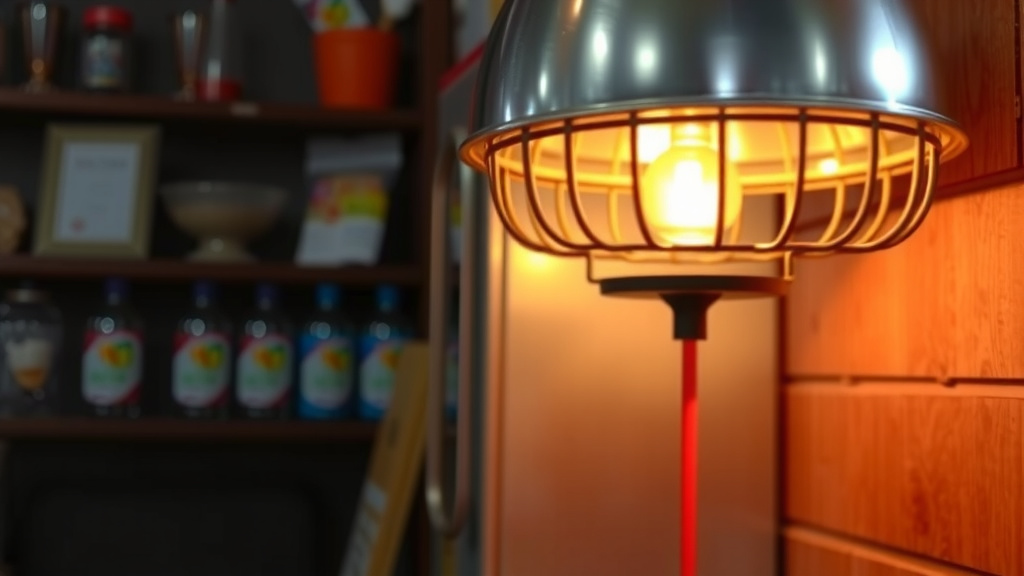
- Use a Guard: Some setups benefit from a wire guard around the heat bulb, adding an extra layer of protection against accidental contact.
- Backup Plan: Have a backup heat source ready in case your primary lamp fails. A power outage can be dangerous for young chicks.
Wattage Matters: Choosing the Right Bulb
The wattage of your bulb directly impacts the heat output. For a standard 20-gallon brooder, a 150-watt bulb is often a good starting point. However, you may need to adjust based on ambient room temperature and the type of bulb. Some sources suggest starting with a lower wattage bulb and increasing it if necessary. You can always add more heat, but it’s harder to take it away safely.
Here’s a quick reference table for bulb wattage and typical brooder temperatures. Remember these are starting points, and adjustments will likely be needed!
| Bulb Wattage | Typical Heat Output Range (at chick level) | Notes |
|---|---|---|
| 100-125 Watt | Approx. 90-100°F (32-38°C) | Good for very mild climates or larger brooders. |
| 150-175 Watt | Approx. 95-105°F (35-41°C) | Commonly used for standard brooder setups. |
| 250 Watt | Approx. 100-110°F (38-43°C) | For cooler environments or when chicks are older. |
Please note that these are generalized estimates. The actual temperature at chick level will depend heavily on the distance of the lamp, the room temperature, and the specific bulb design. Always use a thermometer and observe your chicks!
Conclusion
You’ve learned that chicken heat lamps get surprisingly hot, reaching temperatures between 250°F and 600°F. We’ve seen how bulb type, wattage, and distance all impact this heat. The goal is always to safely mimic a mother hen’s warmth, providing a comfortable zone for your chicks. Always prioritize safe setup and observe your chicks’ behavior for any adjustments needed. Take that knowledge and go set up your brooder with confidence!
Frequently Asked Questions
How can I tell if my chicken heat lamp is too hot or too cold?
Your chicks are the best indicators! If they huddle directly under the lamp and peep loudly, it’s too cold. If they spread far away and pant, it’s too hot. You want them to move around comfortably, eating and drinking.
Is a ceramic heat emitter safer than an infrared bulb?
Both can be safe when used correctly. Ceramic heat emitters provide a more ambient, gentler warmth and don’t produce light, which can be less disruptive. Infrared bulbs are more direct but can reach higher temperatures, requiring extra caution with placement.
Can I use a regular light bulb as a heat source?
No, regular incandescent light bulbs are not designed for this purpose and can pose a fire risk. Chicken heat lamps are specifically made to provide consistent, directed heat safely. Stick to bulbs designed for poultry heating.
How high should I hang my chicken heat lamp over the chicks?
The ideal height is found through observation and thermometer use. Start by hanging it about 18-24 inches above the bedding. You’ll need to adjust this based on the chicks’ behavior and thermometer readings at chick level to find the perfect spot.
What should I do if my heat lamp bulb burns out?
It’s wise to have a spare bulb on hand. If a bulb burns out, immediately check your chicks’ behavior and temperature. If it’s getting cold, replace the bulb promptly or use a backup heat source until you can get a replacement.