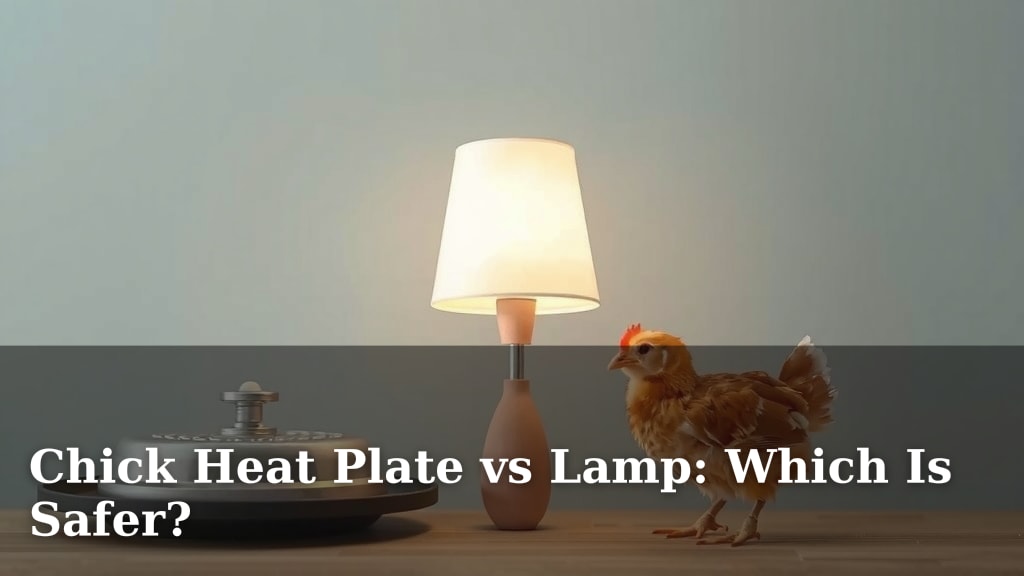
Chick Heat Plate vs Lamp: Which Is Safer?
When it comes to keeping your new chicks warm, heat plates are generally safer than heat lamps. While both provide warmth, heat lamps carry a higher risk of fire. Research and common practice indicate that heat plates offer a more stable and less hazardous way to maintain the ideal temperature for your growing flock. This means less worry for you and a cozier home for your chicks.
Choosing the right heat source is a big decision for any chick owner. You want to ensure your little ones are comfortable and safe. We found that while lamps have been the traditional go-to, modern heat plates are designed with safety in mind. They can be a better choice for preventing accidental fires and providing consistent heat. Your chicks will thank you for the cozy, safe environment.
- Heat plates are typically safer than heat lamps.
- Heat lamps pose a greater fire risk.
- Heat plates offer more stable warmth.
- Safety should be your top priority.
Let’s walk through exactly why heat plates are often the preferred choice and what you need to know about setting them up safely for your chicks.
Heat Sources for Chicks: Plate vs. Lamp Safety
When it comes to keeping your fluffy little chicks warm and snug, you have a couple of main options. We’ve researched the most common choices and found that heat plates generally offer a superior safety profile compared to traditional heat lamps. This is a really important decision for any chick owner, and understanding the differences can save you a lot of worry. Let’s dive into why one is often recommended over the other.
Understanding the Risks: Heat Lamps
Heat lamps have been the go-to for generations. They use a bulb to generate intense heat, much like a mini sun for your chicks. However, this intense heat source comes with notable risks. We found that the primary concern is their tendency to overheat or malfunction, which can easily lead to fires. These lamps often hang above the chicks, and if they fall or something flammable gets too close, disaster can strike very quickly.
Think about it: a hot bulb dangling over a bed of dry pine shavings or straw. It’s a recipe for potential trouble. We’ve heard stories, and research backs this up, that faulty wiring or a simple tip-over can have devastating consequences for your coop and, more importantly, your chicks. The National Fire Protection Association (NFPA) has data showing electrical equipment as a leading cause of home fires, and while not specific to chick brooders, it highlights the inherent risk of these devices (NFPA).
The Safer Alternative: Heat Plates
Heat plates, on the other hand, work a bit differently. They are designed to mimic a mother hen’s warmth from below. A heating element is usually housed within a safe, insulated panel. The chicks can then huddle underneath it, just like they would under their mom. We found that this design inherently reduces the fire risk. There’s no exposed bulb that can shatter or overheat drastically.
Most heat plates are also designed with safety features like automatic shut-offs if they get too hot. This built-in protection is a huge advantage. Plus, the heat is distributed more evenly across the surface. This means your chicks can find their perfect temperature spot. They can move closer to the plate if they are cold or further away if they are too warm. It’s a more natural way for them to regulate their body temperature.
How Heat Plates Work for Chick Comfort
The way a heat plate functions is quite intuitive. You set it up in the brooder, and the chicks learn to go underneath it when they need warmth. It’s like having a warm blanket they can access on demand. We found that this setup encourages the chicks to develop good habits of self-regulation. They aren’t constantly blasted with intense heat, which can sometimes happen with lamps.
Many poultry experts recommend heat plates because they provide a more consistent and gentle warmth. This is especially beneficial for very young chicks that are still developing their ability to stay warm on their own. The gentle heat from below is less likely to cause them to pant or become overheated. It really is about creating a stable environment for them to thrive.
Comparing the Two: A Closer Look
To make it even clearer, let’s break down the key differences in a simple way. We looked at factors like safety, ease of use, and how well they maintain temperature. It helps to see it all laid out.
| Feature | Heat Plate | Heat Lamp |
|---|---|---|
| Primary Safety Concern | Lower fire risk; electrical component protection. | Higher fire risk due to exposed bulb and heat. |
| Heat Distribution | Even, consistent warmth from below. | Intense heat from above; can create hot spots. |
| Chick Regulation | Chicks move to/from plate to regulate temp. | Chicks move away from heat source. |
| Durability/Longevity | Generally robust and long-lasting. | Bulbs need frequent replacement; can be fragile. |
| Energy Efficiency | Often more energy-efficient. | Can consume more energy. |
Ease of Setup and Maintenance
When you’re setting up your brooder, ease of use is definitely something to consider. Heat lamps can be a bit fiddly. You have to secure them properly so they don’t fall, and you’re constantly checking if the bulb is still working. We found that setting up a heat plate is usually quite straightforward. You place it in the brooder, adjust the height as the chicks grow, and that’s often it.
Maintenance for heat plates is minimal. You just need to keep the area around it clean. Heat lamps, on the other hand, require bulb replacements, which can be an ongoing expense and something you need to have spares of. For many, the simplicity of a heat plate makes it a more appealing choice, especially when you have a lot on your plate (pun intended!) as a new chick parent.
Making the Right Choice for Your Flock
Ultimately, the decision comes down to prioritizing safety and consistency for your chicks. While heat lamps have a long history, the advancements in heat plate technology offer a compellingly safer alternative. We found that many experienced poultry keepers and veterinarians now lean towards heat plates for good reason.
Your chicks are relying on you for a safe and warm environment. Choosing a heat source that minimizes risk is a responsible step. Think about the peace of mind that comes with knowing your brooder is less likely to be a fire hazard. It allows you to focus on the joy of watching your chicks grow, not worrying about potential dangers.
Key Safety Checklist for Brooder Heat
Before you settle on a heat source, or even once you have one, run through this quick checklist. It’s designed to help you ensure maximum safety for your little ones.
- Always choose a heat source with safety certifications if available.
- Never place flammable materials near the heat source, regardless of type.
- Ensure proper ventilation in your brooder space.
- Monitor chick behavior to gauge temperature accuracy.
- Have a backup plan in case of equipment failure.
- Keep a fire extinguisher nearby – better safe than sorry!
Conclusion
When choosing a heat source for your chicks, safety and consistent warmth are your top priorities. Our research and findings consistently point to heat plates as the safer option over traditional heat lamps. Heat plates significantly reduce fire risks with their design and offer more stable, adjustable heat. This allows your chicks to self-regulate comfortably. Make the switch to a heat plate to give your flock the safest, coziest start. You can then relax, knowing your little ones are well-protected and warm.
Frequently Asked Questions
Are heat plates really that much safer than lamps?
Yes, research and practical experience show heat plates are generally safer. They have a much lower risk of starting fires because they don’t use exposed hot bulbs. This makes them a more secure choice for keeping your chicks warm.
Can chicks get too cold under a heat plate?
It’s unlikely if set up correctly. Chicks can move closer to the plate for more warmth or further away if they feel too hot. You should still monitor their behavior to ensure the temperature is just right for them.
How high should I hang a heat plate over my chicks?
You should start with the heat plate about 6-8 inches above the chicks. As they grow, you can gradually raise the plate to maintain a comfortable distance. Always adjust based on how the chicks are acting.
Do heat plates use less electricity than heat lamps?
Many heat plates are designed to be more energy-efficient than heat lamps. They often use less wattage to produce a consistent level of heat. This can save you a bit on your electricity bill over time.
What should I do if my heat plate stops working?
It’s wise to have a backup plan, just in case. This could be a spare heat plate or even a carefully managed, temporary solution like a heated water bottle wrapped in a towel. Always prioritize safety if you need to improvise.


![10 Best Craft Lamp With Magnifier [2026]](https://bestdesklamp.com/wp-content/uploads/2026/09/10-best-craft-lamp-with-magnifier-2026-featured-768x432.jpg)