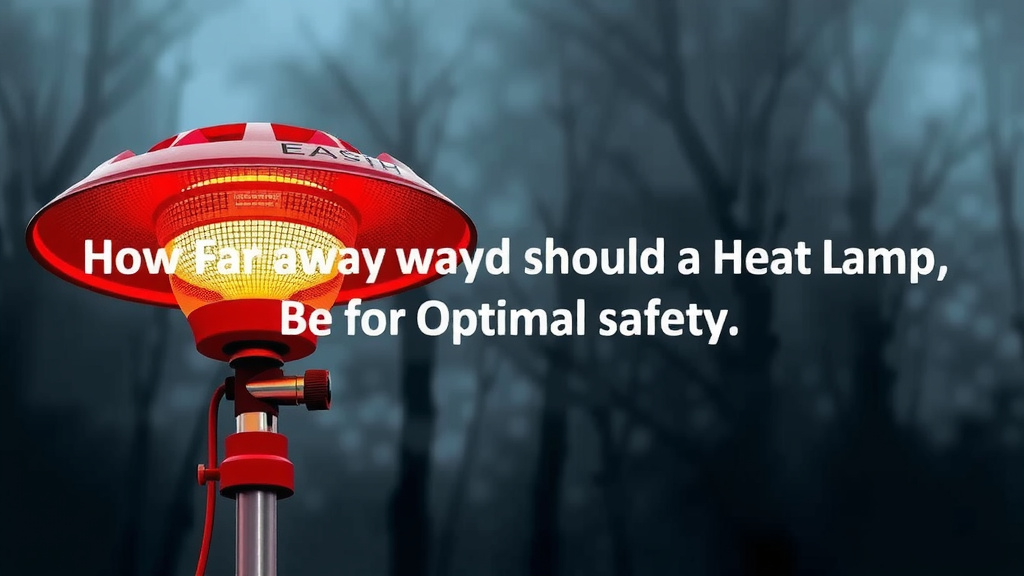
How Far Away Should a Heat Lamp Be for Optimal Safety
So, how far away should a heat lamp be? For most small animals, like chicks or reptiles, you’ll want to keep the heat lamp about Our guide on brooder vs heat lamp can help you decide the best option for chicks.12 to 18 inches away. This distance provides a good balance, giving them enough warmth without being too hot. Always remember that each animal and setup is a little different, so monitoring temperature is super important.
Figuring out the right distance is all about creating a comfortable temperature zone for your pet. Too close, and you risk burns or overheating. Too far, and they might get too cold, especially if the room is drafty. We found that many keepers adjust their lamp height based on the specific needs of their animal and the ambient room temperature.
- Most small animals need heat lamps 12-18 inches away.
- Always check the temperature with a thermometer.
- Adjust the distance based on your pet’s comfort.
- Different animals have different temperature needs.
- Room drafts can affect how hot the area feels.
Ready to get this right? Below, we’ll walk through the key factors to consider when positioning your heat lamp for the best results.
Finding the Ideal Heat Lamp Distance for Your Pet
Determining the correct distance for your heat lamp is absolutely key. You want to create a perfect little warm spot, not a scorching zone or a chilly corner. We found that for most common small pets like chicks, ducklings, or certain reptiles, the sweet spot is generally between 12 and 18 inches from the animal’s back.
Why Distance Matters So Much
Think of it like a campfire. Sit too close, and you’ll get uncomfortably hot. Sit too far, and you won’t feel much warmth at all. Your pet needs that Goldilocks zone – just right. Too close can cause burns or heat stress, which is serious. Too far means they can’t regulate their body temperature properly, leading to chills and illness. Research suggests that reptiles, for example, need specific temperature gradients to properly digest their food and stay healthy.
Key Factors Influencing Heat Lamp Placement
While 12-18 inches is a great starting point, several factors can shift this ideal distance. You’ll need to be a bit of a heat lamp detective! Paying attention to your specific pet and their environment is where the magic happens. We’ve seen many keepers adjust their setups based on these variables.
Your Pet’s Specific Needs
Different animals have vastly different temperature requirements. A baby chick needs a different heat level than a bearded dragon. Chicks and ducklings typically start around 95°F (35°C) directly under the heat source, with temperatures gradually decreasing further away. As they grow, you can lower the temperature by about 5°F (3°C) each week. For reptiles, it’s even more precise. Many require a basking spot temperature of 90-100°F (32-38°C) and a cooler side of the enclosure around 75-80°F (24-27°C) (Reptile Health Institute). This means your lamp placement will directly influence these zones.
Type of Heat Lamp Used
Not all heat lamps are created equal. Ceramic heat emitters (CHEs) produce heat but no light, which is great for nighttime warmth. Infrared heat bulbs emit infrared radiation, which penetrates the skin and heats the animal directly. Some bulbs are more intense than others. A higher wattage bulb will produce more heat and may need to be placed **further away** than a lower wattage bulb to achieve the same temperature. We found that many keepers experiment with different bulb wattages to find the perfect output for their enclosure size.
Ambient Room Temperature and Drafts
What’s the temperature in the room where your pet lives? If your room is naturally quite warm, you might need to place the lamp a bit further away. Conversely, if the room is cool or drafty, you may need to lower it slightly, but always with caution. Drafts are sneaky! They can lower the perceived temperature significantly, even if the lamp is at the “correct” height. Many animal care guides recommend ensuring the enclosure is placed away from windows or direct air vents to prevent these drafts (ASPCA).
Enclosure Size and Material
A larger enclosure might require a more powerful bulb or a slightly lower lamp to adequately warm the desired area. The material of the enclosure also plays a role. Metal or glass enclosures can conduct heat differently than plastic or wood. You’ll want to ensure the heat is distributed effectively without creating hot spots that are too intense.
How to Accurately Measure and Adjust
This is where being a good pet parent really shines! You can’t just guess and hope for the best. You need to **check the temperature** directly. The best tool for this is a reliable thermometer. Digital thermometers with probes are excellent for pinpointing surface temperatures, and infrared temperature guns are fantastic for quickly checking different spots without disturbing your pet.
Using a Thermometer Correctly
Place your thermometer probe directly on the surface where your pet will be basking. This gives you the most accurate reading of the temperature they will experience. For reptiles, you’ll want to check both the basking spot and the cooler end of the enclosure. We found that taking temperature readings at different times of the day can also be helpful, as ambient room temperatures can fluctuate.
Making Adjustments
If the temperature is too high, gently raise the heat lamp or move it slightly further away. If it’s too cool, you might need to lower it a bit or consider a higher wattage bulb. It’s a process of fine-tuning. Remember to make **small adjustments** and re-measure after giving the temperature time to stabilize. This constant monitoring ensures your pet’s comfort and safety.
Creating Temperature Gradients
The concept of a temperature gradient is vital for many pets, especially reptiles. This means creating a range of temperatures within their habitat. They need a warm area to bask and digest, and a cooler area to retreat to when they get too warm. Your heat lamp is responsible for the warm end of this gradient. A well-placed lamp will allow your pet to thermoregulate by choosing where they want to be within the enclosure. Many species require this to thrive (Veterinary Partner).
Safety First: What to Watch For
Always observe your pet’s behavior. Are they constantly basking under the lamp, even when it seems too hot? They might be trying to stay warm because the rest of the enclosure is too cool. Are they always hiding on the cool side? They might be trying to escape the heat. Redness or lethargy can be signs of overheating. These behavioral clues, combined with thermometer readings, are your best indicators.
Signs of Overheating
Look out for rapid breathing, lethargy, or a lack of appetite. Your pet might seem sluggish or unwilling to move. Some animals may also display red or inflamed skin in the affected area. If you notice any of these signs, immediately increase the distance of the heat lamp or turn it off for a period to allow the habitat to cool down.
Signs of Being Too Cold
If your pet is constantly huddled directly under the lamp, shivering, or appears inactive and reluctant to eat, they might be too cold. This is especially common with young animals like chicks. Ensure they have a warm enough area to retreat to if they become too hot, but also that the primary basking area is sufficiently warm.
Quick Checklist for Optimal Heat Lamp Placement
Here’s a simple way to remember the most important steps:
- Measure First: Always use a thermometer to check temperatures.
- Know Your Pet: Research their specific temperature needs.
- Observe Behavior: Watch how your pet uses the heat.
- Adjust Slowly: Make small changes and re-check.
- Consider the Room: Account for ambient temperature and drafts.
- Check the Basking Spot: Ensure it’s the right temperature for your pet.
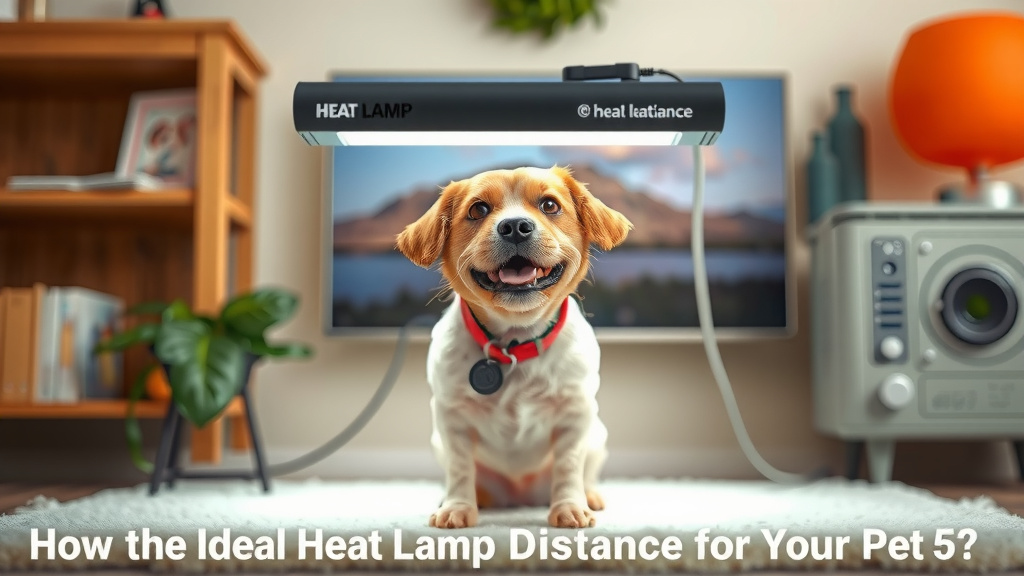
Conclusion
Getting your heat lamp distance right is all about creating a safe and comfortable environment for your pet. Remember that the 12-18 inch guideline is just a starting point. Your pet’s specific needs, the type of lamp you use, and even your room’s temperature all play a big role. The most important thing you can do is become a temperature detective! Always measure the basking spot with a reliable thermometer and observe your pet’s behavior. You’ve got this!
Frequently Asked Questions
How do I know if my heat lamp is too close?
If your pet is constantly trying to get as far away from the heat source as possible, or shows signs of overheating like rapid breathing and lethargy, the lamp is likely too close. Always monitor their behavior and temperature readings.
What’s the best way to check the temperature under the heat lamp?
The most accurate method is to use a digital thermometer with a probe or an infrared temperature gun. Place the probe directly on the basking surface your pet uses, or point the gun at the spot to get an instant reading.
Can I use the same heat lamp distance for chicks and reptiles?
Generally, no. While 12-18 inches might work for chicks, reptiles have much more specific temperature requirements. You’ll need to research the exact basking temperature needed for your particular reptile species and adjust accordingly.
What if my enclosure is very large? Do I need to place the lamp differently?
Yes, enclosure size matters. A larger space might require a more powerful bulb or a slightly lower lamp to adequately heat the intended basking area. You may also need to ensure your setup allows for a proper temperature gradient.
How often should I check the temperature under the heat lamp?
You should check the temperature at least daily, especially when you first set up the lamp or make any adjustments. It’s also wise to check it if you notice any behavioral changes in your pet or if the ambient room temperature fluctuates significantly.


![10 Best Craft Lamp With Magnifier [2026]](https://bestdesklamp.com/wp-content/uploads/2026/09/10-best-craft-lamp-with-magnifier-2026-featured-768x432.jpg)