How Wall Lamps Work: The Illuminating Guide
Wall lamps work by using electricity to power a light bulb. This electricity travels through wires from your home’s power source. A simple switch controls the flow, turning the light on or off. They are a convenient way to add light and style to any room without taking up floor space. You can find them in many designs to match your decor.
The core components are straightforward: a socket for the bulb, wiring, and a switch. Many wall lamps also have a lampshade to diffuse the light. Research shows that wall lamps are often hardwired into your home’s electrical system for a clean look. Others plug into a standard outlet, offering more flexibility.
- Wall lamps use electricity from your home’s power.
- A switch controls the flow of electricity to the bulb.
- They consist of a socket, wiring, and a switch.
- Many are hardwired, while others plug into an outlet.
Let’s walk through exactly how these handy fixtures illuminate your space, step by step.
You’ve seen them in homes, hotels, and even cozy cafes. Wall lamps add a touch of sophistication and targeted illumination without hogging precious floor space. But how do these stylish fixtures actually get their light on? It’s a clever interplay of electricity and simple mechanics that’s been lighting up our lives for ages.
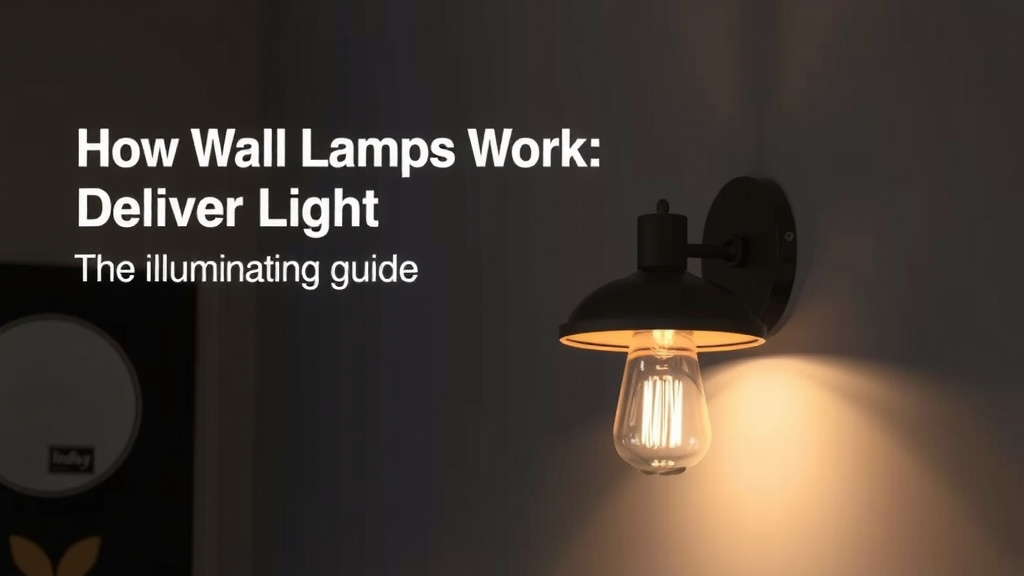
Understanding How Wall Lamps Deliver Light
Wall lamps work by directing electrical current to a light bulb, making it glow. This process relies on a few key components working in harmony. You’ll typically find a socket, wiring, and a switch. These pieces connect to your home’s power supply to bring light where you need it.
The Flow of Electricity: From Outlet to Light
Think of your home’s electrical system like a circulatory system. Power flows through wires to various points, ready to be used. A wall lamp taps into this system. When you flip the switch, you’re essentially opening a gate for that electricity to travel to the bulb.
The Switch: Your Command Center
The humble light switch is the gatekeeper. Inside, it has contacts that either connect or separate the wires. When you flip it to ‘on,’ these contacts meet, completing the circuit. This allows electricity to flow through the wires and reach the light bulb. Flipping it to ‘off’ breaks the connection, stopping the flow of electricity.
Wiring: The Electrical Highway
Wires are the pathways for electricity. In a wall lamp, these wires are carefully insulated for safety. They run from the power source (either a plug or a hardwired connection) to the socket where the bulb sits. These wires carry the electrical energy to power the bulb.
The Light Bulb: The Star of the Show
The light bulb is what actually produces the light. There are several types, but they all work by converting electrical energy into light energy. The most common types used in wall lamps today are LED bulbs. To ensure your wall lamp functions correctly, find out what bulb my lamp needs with this guide.
LEDs: Modern Illumination
LED (Light Emitting Diode) bulbs are highly efficient. They use a semiconductor to emit light when an electric current passes through it. Research shows LEDs use much less energy than older incandescent bulbs. They also last significantly longer, making them a smart choice for your wall lamps. Many guidelines point to LEDs as a cost-effective and eco-friendly option (U.S. Department of Energy).
Older Bulb Technologies (Less Common Now)
You might still find older wall lamps using incandescent bulbs. These work by heating a filament inside the bulb until it glows. Halogen bulbs are a type of incandescent but are more efficient and brighter. We found that while still in use, these are rapidly being replaced by LEDs due to energy savings and lifespan.
The Lampshade: More Than Just Pretty
The lampshade plays a vital role. It’s not just about aesthetics; it also controls the light’s quality. A good lampshade diffuses the light. This means it softens and spreads the light out evenly. It prevents harsh glare and creates a more comfortable atmosphere. Different materials and shapes offer different lighting effects. Some lampshades are designed for task lighting, while others create a cozy, ambient glow.
Types of Wall Lamp Installations: Hardwired vs. Plug-In
Wall lamps aren’t all installed the same way. Your choice often depends on convenience, aesthetics, and your home’s existing setup. Understanding these differences can help you choose the best option for your space.
Hardwired Wall Lamps: Clean and Permanent
These lamps are directly connected to your home’s electrical wiring. An electrician usually installs them. They look very clean because there are no visible cords. The power source is hidden within the wall. This is often preferred for sconces in hallways or beside beds for a sleek, built-in look.
How They Connect
A junction box is mounted to the wall stud. The lamp’s internal wiring is then connected to the house’s wiring within this box. A cover plate hides the connections. They typically draw power directly from a circuit controlled by your home’s breaker box.
Plug-In Wall Lamps: Flexible and Easy
These lamps are much simpler to install. They come with a power cord and a plug that fits into a standard wall outlet. You can easily move them around your room or even to another room. This makes them a great option for renters or if you like to rearrange your decor often. Many modern wall lamps feature this user-friendly design.
The Convenience Factor
The main advantage is ease of use. You simply hang the lamp and plug it in. Some plug-in lamps even have a decorative cord cover that can be adhered to the wall for a tidier appearance. This offers a blend of style and practicality.
Comparing Installation Methods
Here’s a quick look at the main differences:
| Feature | Hardwired Lamps | Plug-In Lamps |
|---|---|---|
| Installation | Requires professional electrician | Simple DIY, plugs into outlet |
| Cord Visibility | No visible cord | Visible power cord (can be managed) |
| Portability | Permanent installation | Easily moved |
| Aesthetics | Very clean, built-in look | Can be slightly less minimalist |
| Cost (Initial) | Higher due to electrician fees | Generally lower |
No matter which type you choose, the basic principle remains the same: electricity flowing through wires, controlled by a switch, to power a light bulb and illuminate your space. It’s a simple yet brilliant system.
Key Takeaways for Your Wall Lamp Setup
Getting your wall lamp installed and working is straightforward when you know the basics. Here’s a quick checklist to keep in mind:
- Ensure the wall location can support the lamp’s weight.
- If hardwiring, always hire a qualified electrician for safety.
- For plug-in lamps, check the cord length to reach the nearest outlet.
- Consider the type of bulb for desired brightness and energy efficiency.
- Test the switch function after installation.
- Always follow the manufacturer’s specific installation instructions.
Conclusion
You now understand the straightforward process behind your wall lamps. It’s all about electricity flowing safely from your home’s power source, guided by a simple switch to illuminate your chosen bulb. Whether you opted for the clean look of hardwired fixtures or the easy flexibility of plug-in models, the core mechanics are the same. This knowledge empowers you to make informed decisions about lighting your space beautifully and efficiently. For your next lighting project, consider where you need focused light and choose the installation type that best suits your home and lifestyle.
Frequently Asked Questions
Can I install a wall lamp myself if I’m not an electrician?
For plug-in wall lamps, yes, you can absolutely install them yourself! Just hang the lamp and plug it into a nearby outlet. If you’re considering a hardwired lamp, we strongly recommend hiring a qualified electrician. This ensures the installation is safe and meets all electrical codes in your area.
What’s the main difference in how hardwired and plug-in wall lamps get power?
Hardwired lamps connect directly into your home’s electrical system, meaning the power source is hidden within the wall. Plug-in lamps, on the other hand, come with a cord and plug that you insert into a standard wall outlet, offering more placement flexibility.
Why are LED bulbs recommended for wall lamps?
Research consistently shows that LED bulbs are much more energy-efficient than older types of bulbs. They also last significantly longer. This makes them a cost-effective and environmentally friendly choice for your wall lamps, requiring fewer replacements over time.
Can the lampshade affect the type of light my wall lamp gives off?
Yes, your lampshade plays a key role in light diffusion. It softens and spreads the light from the bulb, preventing glare and creating a more comfortable ambiance. Different materials and shapes can change the intensity and spread of the light, influencing the overall mood of the room.
What should I do if my wall lamp switch feels loose?
If your wall lamp’s switch feels loose, it’s a sign that it might need attention. For plug-in lamps, you might consider replacing the lamp or having the cord and plug checked by an electrician. If it’s a hardwired fixture, it’s best to have a qualified electrician inspect and repair the switch to ensure safety.


![10 Best Bulb For Himalayan Salt Lamp [2026]](https://bestdesklamp.com/wp-content/uploads/2026/08/10-best-bulb-for-himalayan-salt-lamp-2026-featured-768x432.jpg)