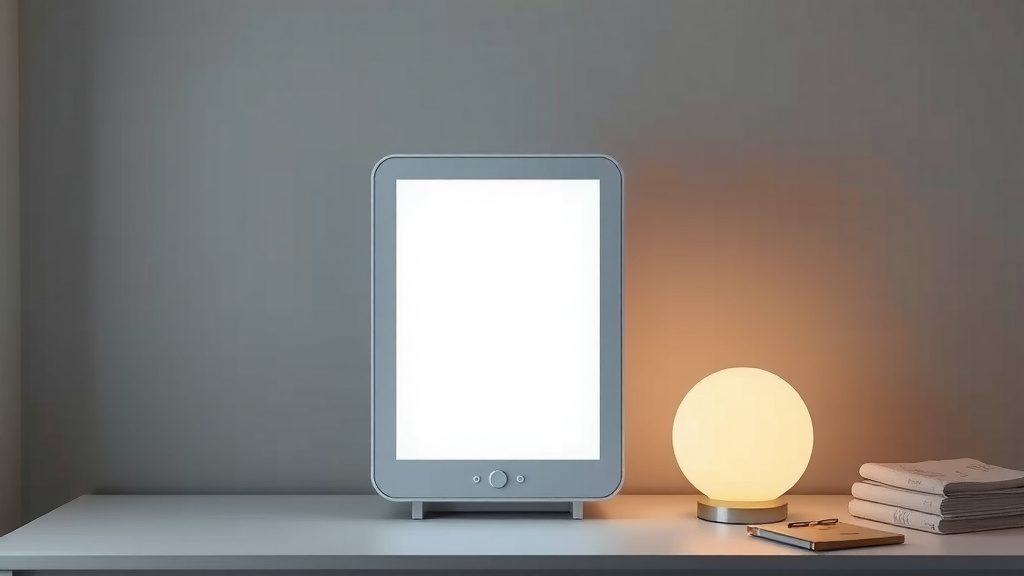
Light Therapy Lamp Distance: How Far Away Should It Be
For optimal results with a light therapy lamp, aim for a distance of about 16 to 24 inches from your face. This range ensures you receive enough light without causing eye strain. Many experts recommend this specific distance for effective light therapy sessions.
The right distance is key to harnessing the benefits of your light therapy lamp. Too close, and you might experience glare or discomfort. Too far, and the light might not be strong enough to make a difference. We found that finding this sweet spot is surprisingly simple and makes your sessions much more enjoyable.
- Aim for 16-24 inches from your lamp.
- This distance is ideal for most light therapy devices.
- Adjust slightly based on your lamp’s brightness and your comfort.
- Proper distance helps avoid eye strain and maximizes benefits.
Below, we’ll break down exactly why this distance matters and how to fine-tune it for your personal light therapy routine. Let’s get your lamp set up just right!
You’ve got your light therapy lamp, and you’re ready to feel those mood-boosting, energy-lifting effects. That’s fantastic! But before you dive in, let’s talk about a detail that many people overlook: the distance. Getting this just right can make all the difference in your experience.
Finding the Sweet Spot: Lamp Distance Explained
The ideal distance for your light therapy lamp is generally between 16 and 24 inches from your face. Think of it like positioning a speaker for the best sound. Too close, and it’s overwhelming; too far, and you miss the impact. This range hits that perfect balance.
Why Distance Matters So Much
Light therapy lamps work by delivering a specific intensity of light. This intensity, often measured in lux, decreases as you move further away from the source. If the lamp is too far, the light might not be bright enough to have the desired effect on your body’s natural rhythms. You wouldn’t get the full benefit.
Conversely, placing the lamp too close can create a glare that is uncomfortable for your eyes. It might even cause temporary eye strain. Your goal is to receive enough therapeutic light without any discomfort. That’s why the 16-24 inch range is so widely recommended by experts and manufacturers.
The Science Behind the Distance
Research has shown that a certain light intensity is needed to influence your circadian rhythm. For most common light therapy lamps, which are designed to mimic natural sunlight, this intensity is best achieved within that sweet spot. For example, many devices provide around 10,000 lux at a distance of about 12 to 20 inches (National Institutes of Health). Our guide to the best bright light therapy lamps can help you find a device that suits your needs.
So, when we talk about 16 to 24 inches, we’re aiming for the point where the light is still strong enough to be effective but not so intense that it becomes harsh. It’s a delicate balance that promotes well-being. You want to feel energized, not strained.
Factors That Can Influence Your Lamp’s Distance
While 16-24 inches is a great starting point, a few things might mean you need to adjust this distance slightly. It’s not a one-size-fits-all rule, but rather a guideline. Think of it as a helpful starting position on a dial.
Your Lamp’s Brightness (Lux Output)
The most crucial factor is the lux output of your specific lamp. Lamps are designed with different brightness levels. A lamp that’s exceptionally bright might work well at the further end of the range (closer to 24 inches). A less intense lamp might need to be a bit closer (around 16 inches) to deliver the necessary light.
Always check your lamp’s manual. Manufacturers usually provide recommended distances for their specific models. They’ve done the testing! For instance, a 10,000 lux lamp might be most effective at 18 inches, while a 5,000 lux lamp might require 12 inches to achieve the same light density on your skin and eyes. If you’re looking for an affordable option, check out our guide to the best budget SAD lamps.
Your Personal Comfort and Sensitivity
How sensitive are your eyes to light? Some people find even moderate light a bit intense. Others might not feel anything at the recommended distance. Listen to your body! If you feel any discomfort or eye strain, move the lamp a little further away. You want your sessions to be relaxing.
If you’re not noticing any effects, and you’re sure you’re using the lamp consistently, you might try moving it slightly closer. Just be cautious not to overdo it. Small adjustments are key. It’s a process of fine-tuning for your unique needs.
The Type of Light Therapy You’re Doing
Are you using the lamp for general mood enhancement, to combat winter blues, or for specific sleep cycle adjustments? While the distance often remains similar, the duration of your session might change. For broader effects, the standard distance works well.
For more targeted therapies, like managing seasonal affective disorder (SAD), adhering to the recommended distance and duration is even more important. The idea is to expose your eyes to a specific amount of light energy. Consistency is your best friend here.
How to Position Your Lamp for Success
Setting up your light therapy station is easier than you might think. With a little attention to detail, you can create an effective and comfortable routine. Let’s make sure you’re getting the most out of your lamp.
Finding Your Ideal Spot
Most people use their light therapy lamps at a desk or table. Position the lamp so that the light shines on your face, but not directly into your eyes. You should be able to look at the light periodically without squinting.
Many find it helpful to place the lamp slightly to the side of their line of vision, rather than directly in front. This can reduce glare while still allowing the light to reach your retinas effectively. Think of it as ambient lighting for your face.
Making Adjustments
Start at about 20 inches. Sit comfortably and engage in a relaxing activity, like reading, working on your computer, or enjoying a cup of coffee. After a few minutes, notice how you feel. Is the light too bright? Too dim?
If it feels too intense, move the lamp back a few inches. If you feel like you could use a bit more, inch it forward. Keep these small adjustments in mind. Your comfort is a good indicator of the right distance for you.
Consistency is Key
Once you’ve found your sweet spot, try to maintain it for each session. Consistency in distance, duration, and time of day is more important than making huge changes to any one factor. Your body responds well to routine.
A typical session might last 20-30 minutes. You don’t need to stare directly into the lamp the entire time. Periodic glances are enough. This makes it easy to integrate into your morning routine.
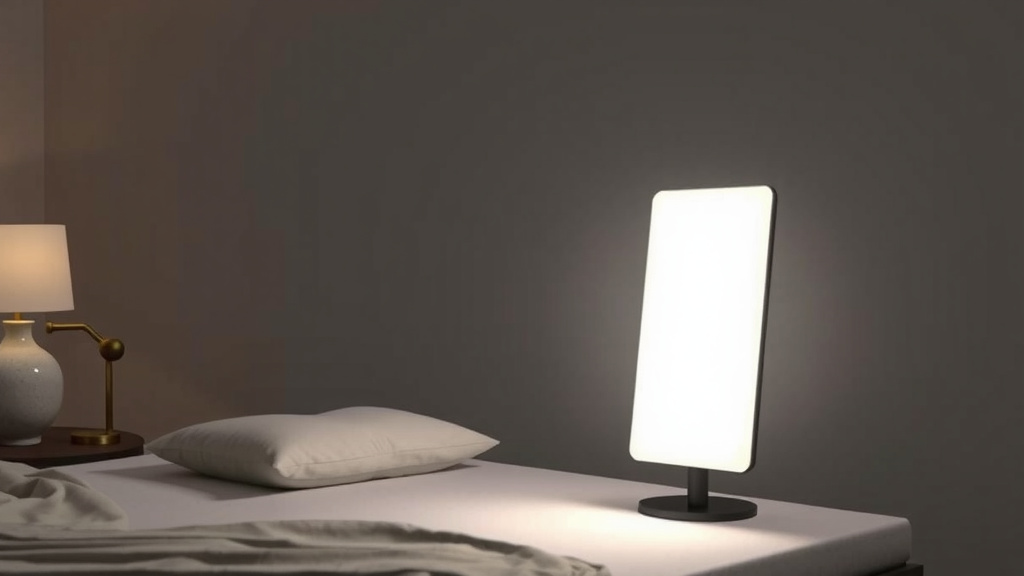
Quick Setup Checklist
Here’s a quick rundown to ensure your lamp is perfectly positioned:
- Choose a comfortable spot to sit or stand.
- Place your lamp approximately 16-24 inches from your face.
- Position it slightly to the side of your direct gaze.
- Check your lamp’s manual for specific distance recommendations.
- Adjust slightly based on your personal comfort and lamp brightness.
- Aim for consistency in distance for each therapy session.
By paying attention to how far away your light therapy lamp is, you’re setting yourself up for a more effective and enjoyable experience. It’s a small adjustment that can yield big results for your mood and energy levels.
Conclusion
You’ve learned that the ideal distance for your light therapy lamp is typically 16 to 24 inches from your face. This range ensures you get the therapeutic benefits without discomfort or eye strain. Remember to consider your lamp’s specific lux output and your personal comfort. Listening to your body is key to finding your perfect setup. Start with the recommended range and make small adjustments as needed. You’re now well-equipped to create an effective and enjoyable light therapy routine for better mood and energy.
Frequently Asked Questions
What if my light therapy lamp manual suggests a different distance?
Always prioritize your lamp’s manufacturer recommendations. They’ve tested their specific device thoroughly. Their suggested distance is usually the most accurate for achieving optimal results with that model. You can use the 16-24 inch range as a general guide if a manual isn’t available.
Can I move the lamp closer if I’m not feeling any effects?
You can try moving it slightly closer, but do so cautiously. Excessive closeness can cause glare and eye strain. If you’re not feeling effects, ensure you’re using the lamp consistently at the recommended duration and time of day first. Small adjustments are better than big ones.
Is it okay to look away from the lamp during my session?
Yes, it’s perfectly fine and even recommended to look away periodically. You don’t need to stare directly into the lamp the entire time. Periodic glances are enough to get the light to your retinas. This makes your session more comfortable.
Does the type of light therapy lamp affect the ideal distance?
Yes, the lux output or brightness of your lamp is a major factor. Brighter lamps might work best at the further end of the 16-24 inch range. Less intense lamps might need to be closer to deliver sufficient light. Always check your lamp’s specifications.
How do I know if the lamp is too close?
You’ll likely feel it. Signs that your lamp is too close include experiencing glare, discomfort, or eye strain. If your eyes feel tired or irritated, move the lamp back a few inches. Your comfort is a good indicator of the correct distance.
![10 Best Cordless Nail Lamp [2026]](https://bestdesklamp.com/wp-content/uploads/2026/09/10-best-cordless-nail-lamp-2026-featured-768x432.jpg)
![10 Best Battery Powered Desk Lamp [2026]](https://bestdesklamp.com/wp-content/uploads/2026/08/10-best-battery-powered-desk-lamp-2026-featured-768x432.jpg)
![10 Best Bulb For Lava Lamp [2026]](https://bestdesklamp.com/wp-content/uploads/2026/08/10-best-bulb-for-lava-lamp-2026-featured-768x432.jpg)