How Does a SAD Lamp Work to Boost Your Mood
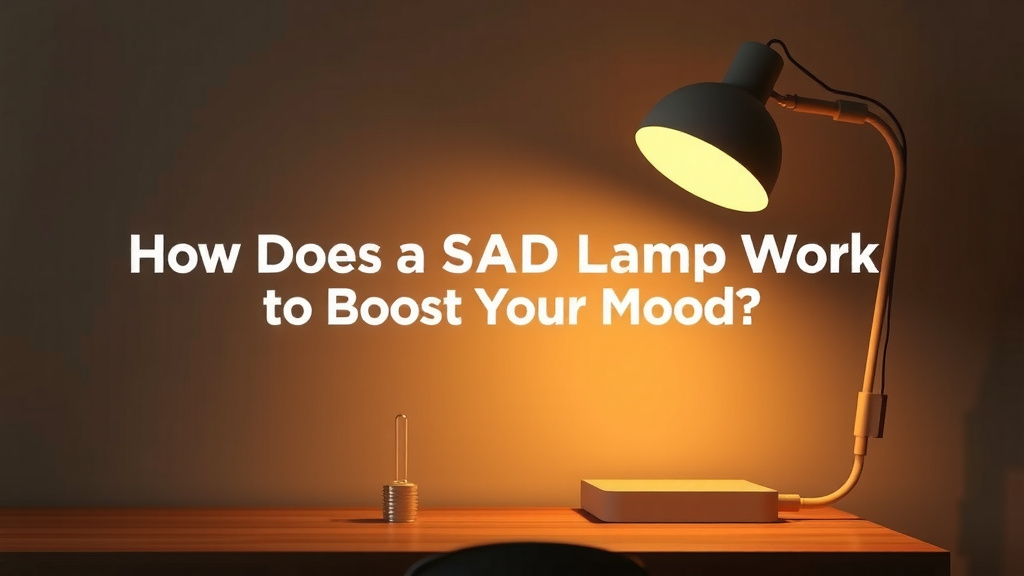
A sad lamp, often called a light therapy lamp, works by exposing you to bright light that mimics natural sunlight. This light helps regulate your body’s internal clock, also known as your circadian rhythm. By doing so, it can improve your mood and energy levels, especially during darker months.
The science behind it is quite fascinating. When your eyes detect this bright light, they send signals to your brain. These signals help to adjust the levels of hormones like melatonin and serotonin. We found that consistent use is key for seeing the best results.
- Sad lamps use bright light to mimic sunlight.
- They help regulate your body’s internal clock.
- This can improve mood and boost energy.
- Consistent use is important for effectiveness.
Let’s walk through exactly how these lamps help you feel brighter, even on the gloomiest days.
Understanding How Light Therapy Lamps Work
So, you’re curious about how those sad lamps, or light therapy lamps, actually do their thing, right? It’s less about magic and more about science, specifically how light affects your brain and body.
These lamps are designed to provide a specific type of light. It’s a very So, you’re curious about how those sad lamps, or light therapy lamps, actually do their thing, right? Learn how to use a daylight lamp step-by-step.bright, full-spectrum light. Think of it like a sunny day, but delivered right to your room. We found this light is key to mimicking natural daylight.
The Science Behind the Shine
Your body has a natural internal clock. It’s called your circadian rhythm. This clock tells you when to feel sleepy and when to feel alert. It’s usually guided by the rising and setting of the sun.
But what happens when the days get shorter? Or if you work indoors a lot? Your body might get confused. Your circadian rhythm can get a little out of sync. This is where light therapy lamps step in to help.
Your Eyes: The Gateway to Better Moods
When you look into the light from a sad lamp, your eyes take it all in. They act like little messengers. They send signals directly to a part of your brain called the hypothalamus. This area plays a big role in many bodily functions.
Research shows that this light exposure can influence the production of certain hormones. Two important ones are melatonin and serotonin. We found these hormones are heavily involved in regulating sleep and mood.
Melatonin and Your Sleep Cycle
Melatonin is the hormone that makes you feel sleepy. When it’s dark, your body naturally produces more melatonin. This helps you drift off to sleep. In winter, with less natural light, your body might produce melatonin at the wrong times, making you feel sluggish.
A sad lamp helps by signaling to your brain that it’s daytime, even when it’s not. This can help suppress melatonin production during the day. You then feel more awake and alert.
Serotonin: The Mood Booster
Serotonin is often called the “feel-good” hormone. It plays a role in your mood, appetite, and overall sense of well-being. Low levels of serotonin are often linked to feelings of sadness and depression.
Exposure to bright light, like that from a therapy lamp, can help increase the availability of serotonin in your brain. This is why many people report feeling a mood lift after using a sad lamp. Many experts say this is a primary benefit (National Institute of Mental Health).
What Makes a Sad Lamp Effective?
Not all lights are created equal when it comes to light therapy. Regular lamps just don’t cut it. Sad lamps are designed with specific features to be effective.
The Brightness Factor: Lux Matters
The intensity of the light is measured in lux. For light therapy to be effective for conditions like Seasonal Affective Disorder (SAD), the lamp typically needs to be quite bright. We found that 10,000 lux is often recommended.
This might sound like a lot, but it’s comparable to being outside on a bright, overcast day. Your lamp should specify its lux output. You’ll usually position it at a certain distance from you to get that 10,000 lux exposure.
The Spectrum: Full-Spectrum Light
Another important aspect is the light spectrum. A good sad lamp emits full-spectrum light. This means it contains a wide range of colors, just like natural sunlight. It includes not only visible light but also UV-free light.
Why is UV-free important? Because UV light can be harmful to your skin and eyes. Reputable sad lamps filter out most of the harmful UV rays. This ensures you get the benefits of the light without the risks. Cleveland Clinic guidelines often stress the importance of UV-filtered light.
Using Your Lamp: Consistency is Key
How you use the lamp is just as important as the lamp itself. It’s not a quick fix that you use once and forget about.
You’ll typically use your sad lamp for a set amount of time each day. This is often 20 to 30 minutes. The best time to use it is usually in the morning. This helps set your body’s internal clock for the whole day.
Here’s a quick guide to effective use:
- Set a Routine: Use your lamp at the same time every day.
- Morning is Best: Aim for morning light exposure.
- Proper Distance: Follow the manufacturer’s recommendations.
- Don’t Stare Directly: You can read or work while using it.
- Be Patient: Results may take a few days or weeks.
Comparing Light Therapy Options
While the core principle is the same, there are a few types of light therapy devices.
| Type of Lamp | Key Features | Best For |
|---|---|---|
| Light Therapy Box | High lux output (10,000), large surface area, UV-free. | Treating SAD, mild to moderate depression. |
| Light Therapy Lamp/Desk Lamp | Moderate lux output, often smaller, good for desk use. | General mood improvement, focus, and energy. |
| Dawn Simulator Alarm Clock | Gradually increases light before alarm, simulates sunrise. | Gentle waking, improving morning mood. |
We found that the light box type is generally considered the most potent for therapeutic effects. It delivers the highest intensity light needed for certain conditions. However, a good desk lamp can still offer benefits for everyday mood and energy.
Common Questions About Sad Lamp Usage
You might have some questions about the practicalities of using these lamps. It’s normal to wonder about potential side effects or how long it takes to feel better.
Are There Any Side Effects?
Most people tolerate light therapy very well. Some mild side effects can occur, especially when you first start. These might include headaches, eye strain, or nausea.
If you experience these, try reducing the duration of your sessions. You can also try moving the lamp a bit further away. Many guidelines suggest that if symptoms persist, you should consult your doctor (Mayo Clinic). They can help determine if light therapy is right for you.
How Long Until I See Results?
This really varies from person to person. Some individuals report feeling a difference within a few days. Others may need a couple of weeks of consistent use.
The key is to stick with it. Think of it like starting a new exercise routine. You don’t always feel amazing after the first session, but you keep going. We found that consistency is more important than intensity when it comes to long-term benefits.
Conclusion
You’ve learned that a sad lamp, or light therapy lamp, works by exposing you to bright, full-spectrum light. This light mimics natural sunlight, helping to reset your body’s internal clock. By regulating your circadian rhythm, it can boost your mood and energy levels. Remember, consistency is key—aim for your daily session, usually in the morning, for the best results. If you’re looking for a way to brighten your days, especially during darker months, a light therapy lamp might be a helpful addition to your routine. Consider exploring the options available to find the best fit for your needs.
Frequently Asked Questions
Can I use a sad lamp if I don’t have SAD?
Yes, absolutely! While often used for Seasonal Affective Disorder (SAD), anyone can benefit from light therapy. If you experience low energy or mood dips, especially during winter, a sad lamp can help improve your overall well-being.
How close do I need to be to the sad lamp?
The distance depends on the lamp’s brightness, often measured in lux. Most manufacturers recommend placing the lamp about 12-20 inches away to achieve the optimal 10,000 lux. Always check your lamp’s specific instructions.
Is it okay to look directly at the sad lamp?
You don’t need to stare directly into the light. It’s perfectly fine to read, work on your computer, or do other quiet activities while using the lamp. Your eyes will still absorb enough light to signal your brain.
What’s the difference between a sad lamp and a regular lamp?
Regular lamps provide ambient light, but they lack the specific brightness and full spectrum needed for therapeutic effects. Sad lamps are designed to emit a high intensity of UV-free light, mimicking natural daylight to influence your circadian rhythm.
How long should I use a sad lamp each day?
Most people find 20 to 30 minutes of daily use to be effective. It’s generally recommended to use the lamp in the morning to help regulate your sleep-wake cycle and boost alertness for the day ahead.
![10 Best Arched Floor Lamp [2026]](https://bestdesklamp.com/wp-content/uploads/2026/09/10-best-arched-floor-lamp-2026-featured-768x432.jpg)