Are Sad Lamps Effective for Seasonal Affective Disorder
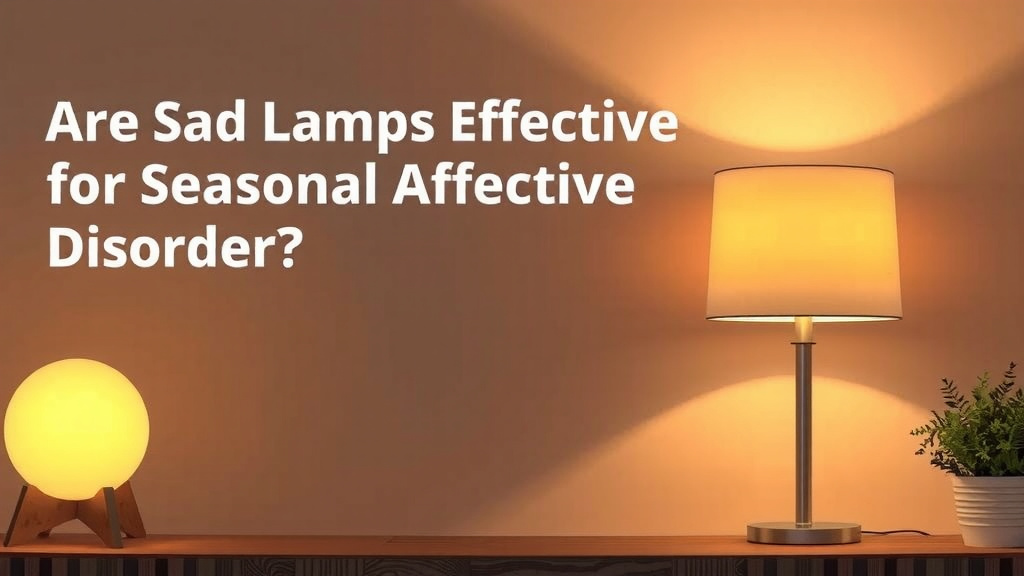
Yes, sad lamps can be effective for managing Seasonal Affective Disorder (SAD) symptoms, particularly when used consistently as part of a broader treatment plan. They work by mimicking natural sunlight, which helps to reset your body’s internal clock and boost mood. The key is to use them correctly and understand their limitations. Our guide explains how sad lamps work to help manage SAD symptoms.
These special lamps, often called light therapy boxes, deliver a bright light that is much more intense than regular indoor lighting. This exposure can help combat the effects of reduced sunlight exposure during darker months. Many people find relief from symptoms like low energy and sadness with regular use. While they aren’t a magic cure, they are a well-researched and widely recommended tool.
- Sad lamps mimic natural sunlight to help improve mood.
- Consistency is key for them to be most effective.
- They are a popular treatment for Seasonal Affective Disorder (SAD).
- They work best when combined with other SAD management strategies.
- Talk to your doctor before starting light therapy.
Let’s break down exactly how sad lamps work, who they’re best for, and how you can get the most out of yours. We’ll cover everything you need to know to decide if this might be a good option for you. We cover how to get the most out of your sad lamp for optimal results.
How Effective Are Light Therapy Boxes for SAD?
Light therapy boxes, often called sad lamps, can be a remarkably effective tool for managing the symptoms of Seasonal Affective Disorder (SAD). Many studies and clinical observations show positive results. They work by exposing you to bright light that mimics natural sunlight. This exposure helps to regulate your body’s internal clock, also known as your circadian rhythm. When your circadian rhythm is out of sync, it can lead to feelings of fatigue and sadness. Light therapy helps to correct this imbalance.
Research consistently shows that light therapy is a first-line treatment for SAD (National Institute of Mental Health). For many people, it can significantly reduce symptoms like low mood, lack of energy, and increased appetite. The effectiveness often depends on several factors. These include the strength of the light, how long you use it, and when you use it each day. It’s not a quick fix, but with regular, consistent use, many individuals find substantial relief.
Understanding the Science Behind Light Therapy
Think of your body like a finely tuned orchestra. Your circadian rhythm is the conductor, guiding everything from when you feel sleepy to when you feel alert and happy. When the seasons change and there’s less natural light, it’s like the conductor gets a bit confused. Sad lamps help to send a clear signal to the conductor, saying, “It’s daytime, time to get energized!”
The Role of Light and Your Brain
Exposure to bright light, especially in the morning, signals to your brain that it’s time to wake up and be active. This suppresses the production of melatonin, a hormone that makes you feel sleepy. At the same time, it can increase the production of serotonin, a neurotransmitter linked to mood regulation and feelings of well-being. When natural light is scarce, your brain might not get these crucial signals, leading to those tell-tale winter blues.
Mimicking Natural Sunlight
Sad lamps are designed to deliver light that is about 10,000 lux. That’s a measure of light intensity. Regular indoor lighting is typically only a few hundred lux. This intense light is delivered without the harmful ultraviolet (UV) rays found in natural sunlight. So, you get the mood-boosting benefits without the skin damage risk. It’s like having a piece of a bright, sunny day right in your home.
Who Benefits Most from Sad Lamps?
Light therapy is most commonly used for Seasonal Affective Disorder (SAD). This is a type of depression that occurs at certain times of the year, usually during the fall and winter months when daylight hours are shorter. However, it can also be helpful for other conditions.
Seasonal Affective Disorder (SAD)
If you experience a recurring pattern of feeling down, tired, and unmotivated during the darker months, you might have SAD. Light therapy is widely recommended by experts as a primary treatment for this condition. Many people find that using a light box helps them feel more like themselves again, even when the weather outside is gloomy. It’s about bringing that missing light back into your daily routine.
Other Potential Uses
Some research suggests that light therapy might also help with certain sleep disorders, such as insomnia, and some mood disorders like non-seasonal depression. It’s also been explored for use in treating jet lag. If you think it might help with a condition other than SAD, it’s essential to discuss this with your doctor. They can help determine if it’s a suitable option for your specific needs.
Getting the Most Out of Your Sad Lamp
Simply owning a sad lamp isn’t enough; you need to use it correctly to see results. Consistency and proper usage are key to harnessing its benefits. Think of it like taking a daily vitamin – you have to take it regularly for it to work.
Choosing the Right Lamp
When selecting a light therapy box, look for one that is specifically designed for SAD treatment. It should provide 10,000 lux at a recommended distance. Some lamps offer adjustable brightness or different light colors, but the primary factor is the lux output. Also, consider the size and portability if you plan to move it around your home or office. Check for safety certifications, ensuring it’s from a reputable manufacturer.
Optimal Usage Guidelines
Here’s a breakdown of best practices we found:
- When to Use It: The best time to use your sad lamp is in the morning, shortly after waking up. This helps to regulate your circadian rhythm most effectively. Aim for exposure within the first hour or two of your day.
- How Long: Most people benefit from using their lamp for 20 to 30 minutes each day. Some may need a bit longer, up to an hour, depending on their individual response and the lamp’s intensity.
- Distance: Position the lamp so that your eyes are about 12 to 16 inches away from the light source. You don’t need to stare directly into the light; it’s okay to read, work on your computer, or eat breakfast while using it. The light just needs to reach your eyes.
- Consistency is Crucial: Try to use the lamp at the same time every day. This helps to establish a regular pattern for your body. Skipping days can reduce its effectiveness.
What to Expect and When to Seek Help
It often takes a few days to a couple of weeks of consistent use to start noticing a difference. Don’t get discouraged if you don’t feel better immediately. If you experience any side effects, such as headaches, eye strain, or agitation, try reducing the duration of your light exposure or consult your doctor. If your symptoms of SAD are severe or not improving with light therapy, it’s important to reach out to a healthcare professional.
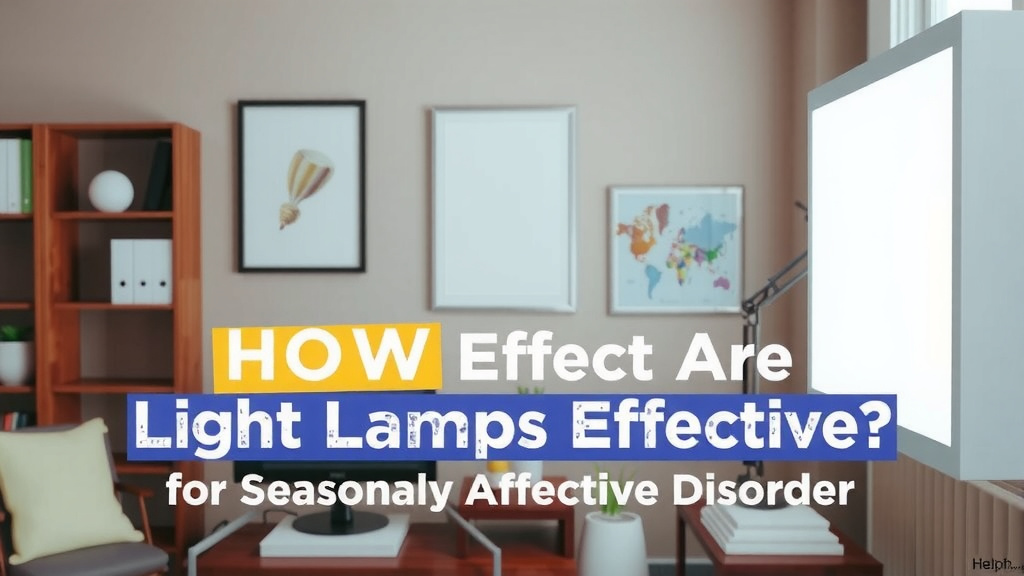
Sad Lamps vs. Other Treatments
Light therapy is often used in conjunction with other SAD management strategies. It’s rarely a standalone cure. Think of it as one strong player on a winning team.
Combining Therapies for Best Results
Many experts recommend a combination approach. This might include psychotherapy (talk therapy), such as Cognitive Behavioral Therapy for SAD (CBT-SAD), and sometimes antidepressant medication. For example, CBT-SAD teaches coping strategies for SAD symptoms, while light therapy directly addresses the biological response to reduced light. These methods work together to provide more comprehensive relief.
When to Talk to Your Doctor
Before you start using a sad lamp, it is highly recommended that you consult your doctor or a mental health professional. They can provide an accurate diagnosis and help you create a personalized treatment plan. They can also advise on the best type of light box for you and how to use it safely, especially if you have any pre-existing eye conditions or are taking certain medications. Your doctor can also monitor your progress and adjust your treatment as needed.
Key Takeaways for Effective Light Therapy
To make sure your sad lamp experience is a positive one, remember these simple points:
- Use a lamp designed for SAD treatment with 10,000 lux output.
- Expose yourself to the light in the morning for 20-30 minutes daily.
- Position the lamp at the correct distance so light reaches your eyes.
- Be consistent with your usage to help regulate your body clock.
- Combine light therapy with other strategies recommended by your doctor.
- Always consult a healthcare professional before starting any new treatment.
Conclusion
You’ve learned that sad lamps, or light therapy boxes, can indeed be a helpful tool for managing the winter blues and Seasonal Affective Disorder. By mimicking natural sunlight, they play a key role in resetting your body’s internal clock and boosting your mood. Remember, consistency is your best friend with this therapy. For the most effective results, aim for daily morning sessions and integrate light therapy into a broader wellness plan. If you’re considering trying a sad lamp, your next step should be to talk with your doctor to ensure it’s the right fit for you and to get personalized guidance.
Frequently Asked Questions
How quickly can I expect to feel better with a sad lamp?
It often takes about one to two weeks of consistent daily use before you notice a significant improvement in your mood and energy levels. Don’t get discouraged if the effects aren’t immediate. Regular, disciplined use is key to letting the therapy work its magic.
Can I use a sad lamp if I have other mood conditions, not just SAD?
Some research suggests light therapy might help with other mood disorders or sleep issues. However, it’s essential to discuss this with your doctor first. They can help determine if light therapy is appropriate for your specific condition and won’t interfere with other treatments you might be receiving.
What’s the difference between a sad lamp and a regular desk lamp?
Sad lamps are designed to emit a specific intensity of light, typically 10,000 lux, which is much brighter than standard indoor lighting. This high intensity is what helps regulate your body’s circadian rhythm, whereas a regular lamp is not bright enough to have this effect.
Are there any side effects to using a sad lamp?
Most people tolerate light therapy well, but some may experience mild side effects like headaches, eye strain, or agitation. If you notice any of these, try reducing your daily exposure time or consulting your doctor for advice on how to adjust your usage safely.
Can I use my sad lamp anytime of day?
While you can technically use it anytime, the most effective time is in the morning, shortly after waking up. This timing helps reset your body’s internal clock for the day ahead and can improve sleep patterns by signaling to your brain when it’s time to be awake and alert.
![10 Best Ambient Floor Lamp [2026]](https://bestdesklamp.com/wp-content/uploads/2026/09/10-best-ambient-floor-lamp-2026-featured-768x432.jpg)
![10 Best Bright Floor Lamps For Living Room [2026]](https://bestdesklamp.com/wp-content/uploads/2026/08/10-best-bright-floor-lamps-for-living-room-2026-featured-768x432.jpg)