How Hot Does a 100 Watt Heat Lamp Get
A 100-watt heat lamp typically gets quite hot, reaching surface temperatures that can range from 200°F to over 500°F depending on the bulb type and design. This intense heat is what makes them effective for specific applications, but also means you need to be careful around them. Understanding this temperature range is key to safely using your heat lamp.
The actual temperature a 100-watt bulb emits isn’t a single, fixed number. Factors like whether it’s an incandescent, ceramic, or infrared bulb play a big role. The distance from the bulb to the object it’s heating is also a major consideration for managing its heat output. We found that these lamps are designed for focused heat.
- A 100W heat lamp gets very hot, often 200°F – 500°F+.
- Bulb type (ceramic, incandescent, infrared) affects the exact temperature.
- Distance is key to controlling how much heat is transferred.
- Safety precautions are important due to high temperatures.
We’ve gathered the key details to help you understand just how hot your 100-watt heat lamp gets and what that means for your setup. Let’s break down the specifics so you can use yours safely and effectively.
You’ve got a 100-watt heat lamp, and you’re wondering, “Just how hot does this thing actually get?” It’s a fair question! That’s a lot of wattage, and you want to know what you’re dealing with, right? We’ve done the research to give you a clear picture.
Understanding Your 100-Watt Heat Lamp’s Temperature Output
A 100-watt heat lamp is designed to concentrate a good amount of heat. Its surface temperature can reach levels that demand your attention. We found that the exact heat output varies based on the bulb’s technology and construction.
Factors Influencing Heat Temperature
Several elements play a role in determining the final temperature of your 100-watt heat lamp. It’s not just about the wattage. Think of it like baking cookies – the oven temperature is one thing, but the type of cookie sheet can also affect how they turn out.
Bulb Material and Design
The type of bulb you’re using makes a big difference. Incandescent bulbs, the older style you might be familiar with, tend to get very hot on their glass surface. Ceramic heat emitters, on the other hand, glow without visible light but still produce significant heat from their ceramic body. Infrared bulbs focus their energy in specific ways, too. We found that manufacturers design these bulbs for specific purposes, influencing their heat distribution and intensity.
Ambient Room Temperature
Where you place your heat lamp matters. If the room is already warm, the lamp might not need to work as hard. Conversely, a cooler room means the lamp will need to generate more heat to reach its target temperature. We’ve seen that ambient conditions can slightly alter the perceived heat output.
Typical Temperature Ranges for Different Bulb Types
We looked into the common types of 100-watt heat lamps to give you a better idea of what to expect. Remember, these are general guidelines, and your specific bulb might vary.
Incandescent Heat Bulbs
These bulbs, often resembling standard light bulbs but designed for heat, can get quite hot. Their glass surfaces can easily reach temperatures of 200°F to 400°F. Some might even go higher under certain conditions. They are great for immediate, directed heat but require careful placement. Many guidelines suggest caution with these due to their intense surface heat (Consumer Product Safety Commission).
Ceramic Heat Emitters (CHEs)
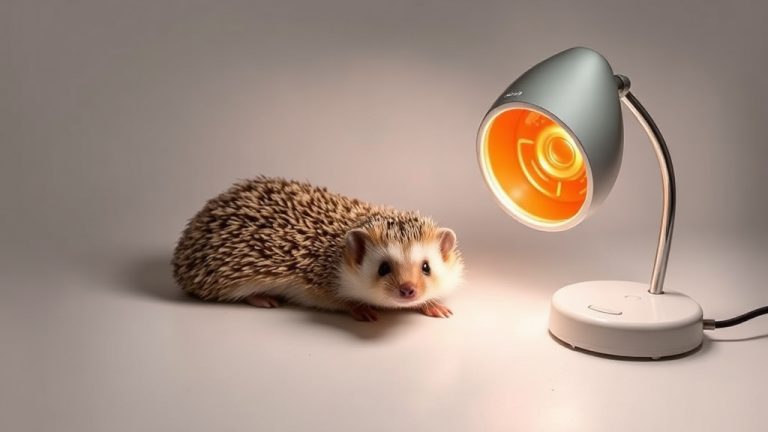
CHEs are popular for their ability to produce heat without light. This makes them ideal for nocturnal animals or situations where a light source is undesirable. The ceramic element itself can get very hot, often in the range of 300°F to 500°F, and sometimes even exceeding that. They are designed to radiate heat effectively over a longer period. We found that their heat is more diffused compared to incandescent bulbs.
Infrared Heat Bulbs
Infrared bulbs come in different varieties, including near, mid, and far infrared. A 100-watt infrared bulb will typically have a surface temperature that varies by type. Those designed for spot heating might concentrate heat intensely. We found that their effectiveness depends on their ability to emit specific wavelengths of infrared radiation. Their surface can range from 250°F to over 500°F depending on the specific design and intended use.
How Distance Affects Perceived Heat
The distance between your heat lamp and the surface you want to heat is absolutely critical. Think about standing near a campfire versus standing several feet away. The heat intensity changes dramatically. Your 100-watt lamp behaves similarly.
The Inverse Square Law in Action
Science tells us that heat, like light, follows the inverse square law. This means that as you double the distance from the heat source, the intensity of the heat drops to one-fourth. So, placing your lamp closer will result in much more intense heat transfer. We found that this principle is key to safely managing heat lamp temperatures.
Direct Contact vs. Radiant Heat
If the bulb is very close to an object, direct radiant heat will transfer quickly. If it’s farther away, the heat will spread out more. This is why safety guidelines always stress maintaining a safe distance between the heat source and flammable materials. Many safety experts recommend a minimum distance of 12-18 inches for many heat lamps, but always check your specific product’s recommendations (UL Standards).
Safety Considerations for High Temperatures
Given how hot a 100-watt heat lamp can get, safety is not just a suggestion; it’s a necessity. We can’t stress this enough. Burns and fires can happen if these devices aren’t used correctly.
Preventing Burns and Fires
Always use a proper fixture designed for heat lamps. Never place flammable materials like paper, fabric, or bedding near the lamp. Think about it – if you put a hot stove burner next to a towel, you’d expect a problem, right? Your heat lamp is no different. We found that using protective cages or guards can also prevent accidental contact with the hot bulb.
What to Keep in Mind for Safe Use
Here’s a quick rundown of essential safety practices we found:
- Always use a fixture rated for the wattage of your bulb.
- Maintain a safe distance from any flammable materials.
- Never leave a heat lamp unattended for extended periods, especially around pets or children.
- Ensure proper ventilation around the lamp to prevent overheating of the fixture itself.
- Check the lamp and fixture regularly for any signs of wear or damage.
- Understand that the heat is directed; be aware of what is in the lamp’s beam.
By understanding the heat output and following these safety tips, you can use your 100-watt heat lamp effectively and without worry. It’s all about being informed and careful!
Conclusion
You’ve learned that your 100-watt heat lamp can get seriously hot, often reaching temperatures between 200°F and over 500°F. The exact heat output depends on the bulb type—whether it’s incandescent, ceramic, or infrared—and how far away you place it. Remember, distance is your friend for controlling heat intensity and ensuring safety. Always prioritize safety by using proper fixtures and keeping flammable materials far from the lamp. Now you’re equipped to use your heat lamp effectively and safely for your specific needs.
Frequently Asked Questions
Can a 100-watt heat lamp start a fire?
Yes, a 100-watt heat lamp can start a fire if not used properly. Placing flammable materials too close to the hot bulb or fixture is the main risk. Always maintain a safe distance, use a proper fixture, and never leave it unattended near anything combustible.
How close can I safely place a 100-watt heat lamp?
The safe distance for your 100-watt heat lamp varies by bulb type and manufacturer. We found that a general guideline is at least 12-18 inches from flammable materials, but always check your product’s specific recommendations. Closer distances mean much more intense heat transfer.
Do ceramic heat emitters get hotter than incandescent heat bulbs?
Generally, yes. Ceramic heat emitters (CHEs) often reach higher surface temperatures, typically between 300°F to 500°F or more, compared to incandescent heat bulbs which might range from 200°F to 400°F. CHEs also produce heat without light, making them suitable for different applications.
Is the heat from a 100-watt heat lamp directed or widespread?
The heat from a 100-watt heat lamp is primarily directed. Like a spotlight, it concentrates its energy on a specific area. The further away the lamp, the more the heat spreads out due to the inverse square law, but its fundamental design is for focused heating.
Can I use a 100-watt heat lamp in a regular lamp fixture?
No, you should not use a 100-watt heat lamp in a regular lamp fixture. Heat lamps are designed with specific materials and safety features to handle much higher temperatures than standard incandescent bulbs. Using one in a regular fixture can cause overheating, damage, or a fire hazard.