Salt Lamps: Are They Really Effective?
So, are salt lamps really effective? Research suggests that while they are beautiful decor, the claims of them purifying air and boosting mood with negative ions are largely **unproven**. Most studies indicate that the amount of negative ions emitted is too small to make a noticeable difference. They are a lovely addition to your home, but don’t expect them to be a cure-all for air quality.
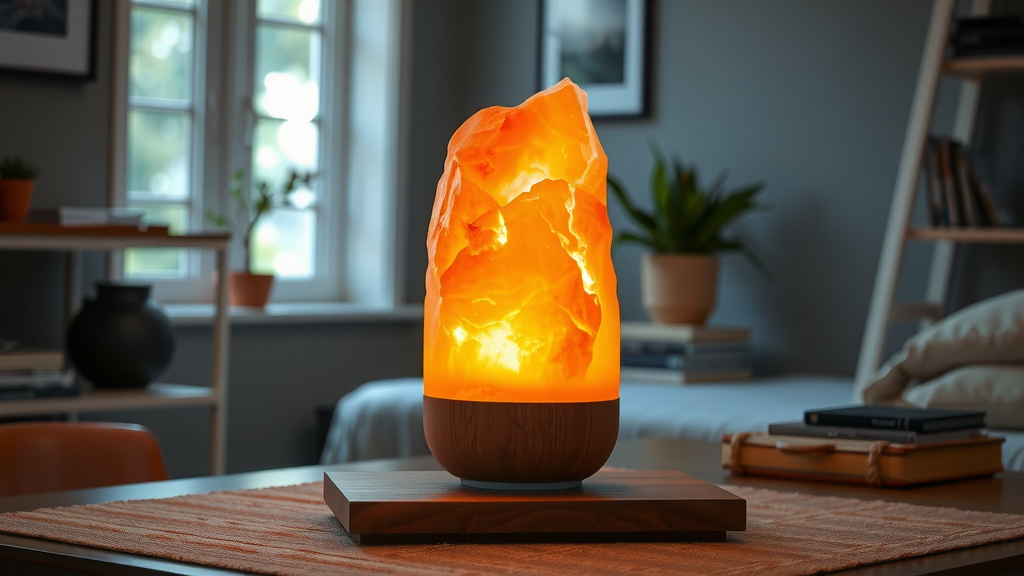
Many people are drawn to salt lamps for their **warm, ambient glow** and unique look. The idea is that their natural Himalayan salt crystals might release negative ions when heated, which could then supposedly neutralize positive ions from electronics. We found that while they do emit a soft light, scientific evidence for significant air purification or health benefits is **lacking**. They are primarily decorative.
TL;DR: * Salt lamps look nice and provide a soft light. * Claims about purifying air with negative ions are not well-supported by science. * The number of negative ions released is likely too small to have an effect. * They are mostly for decorative purposes. * Don’t rely on them for significant health benefits.
Let’s break down what the science says about salt lamps and separate the facts from the popular claims, so you can decide if one is right for your space.
“`htmlAre Salt Lamps Truly Effective for Health Benefits?
Many people wonder if those glowing pink salt lamps actually do anything for their health. The popular idea is that when heated, they release negative ions. These negative ions are said to cancel out positive ions. Positive ions are often blamed for making us feel sluggish. They come from electronics like computers and TVs. We found that while salt lamps are beautiful, scientific evidence for these health claims is quite thin. Learn more about the science and user experiences detailing how salt lamps work in our comprehensive guide.
Understanding Negative and Positive Ions
Let’s talk about ions for a moment. Think of them as tiny charged particles. In nature, things like waterfalls and thunderstorms create negative ions. These are often associated with fresh, clean air and a feeling of well-being. Positive ions, on the other hand, are found in abundance around our electronic devices. Some research suggests a link between too many positive ions and symptoms like fatigue or headaches. This is where salt lamps are supposed to come in.
The Science Behind Salt Lamp Claims
The main claim is that salt lamps, when warmed by a light bulb, release negative ions. These ions then supposedly purify the air. They might also improve your mood and sleep. We looked into the research, and here’s what we found: most studies indicate the number of negative ions emitted by a typical salt lamp is **very small**. It’s likely too small to have a measurable effect on air quality or your overall well-being. Major health organizations like the CDC or EPA do not recognize salt lamps as air purifiers. Our guide explains how these beautiful lamps may work through ion emission and user experiences.
What Do Studies Show?
Research specifically on salt lamps and ion emission is limited. Some lab tests have shown that salt products *can* release ions. However, these tests were often done under specific conditions. They might not reflect real-world home environments. The heat from a small light bulb isn’t usually enough to create a significant ion output. Think of it like trying to fill a swimming pool with a leaky eyedropper. It’s just not a lot of output.
Expert Opinions on Ion Therapy
While the idea of ion therapy has been explored, its effectiveness for common ailments is debated. Some alternative health practitioners believe in the benefits of negative ions. However, mainstream medical science generally requires more robust evidence. Many experts point out that to significantly change the ion balance in a room, you’d need a much more powerful device. The low output from a salt lamp just doesn’t meet that threshold.
Are Salt Lamps Effective Air Purifiers?
This is a big question for many buyers. Can a salt lamp really clean your air? Based on current research, the answer is generally no. While they might attract some dust particles due to a hygroscopic effect (meaning they attract water molecules from the air, which can trap dust), they are not efficient air filters. They lack the fans and specialized filters found in HEPA purifiers.
The Hygroscopic Effect Explained
Salt is naturally hygroscopic. This means it draws moisture from the air. When the salt lamp is on, the heat from the bulb can evaporate this moisture. The theory is that dust, pollen, and other airborne particles get trapped in the water. They then fall onto the lamp. While this sounds neat, the amount of moisture attracted and evaporated is usually minimal. It’s not enough to make a dent in your home’s air quality. You’d notice more dust reduction from regular dusting.
Comparison to True Air Purifiers
Let’s compare salt lamps to devices designed for air purification. True air purifiers, like those with HEPA filters, are tested rigorously. They are certified to remove a specific percentage of airborne particles. They use powerful fans to circulate air through multiple stages of filtration. Salt lamps, on the other hand, have no such mechanism. They rely on passive attraction and evaporation. The difference in effectiveness is substantial.
What About Mood and Sleep Benefits?
Another popular claim is that salt lamps can improve mood and sleep. This is often linked to the negative ion theory. If negative ions make us feel good, and salt lamps produce them, then they should help us relax, right? Again, the science doesn’t strongly support this. While the warm, ambient glow of a salt lamp can be very soothing and create a calming atmosphere, this is likely due to the light itself, not ion emission.
The Power of Ambiance
The soft, warm light produced by a salt lamp is its strongest feature. Dim, warm lighting is known to be relaxing. It can help signal to your brain that it’s time to wind down. This is why many people use them as night lights or in meditation spaces. The visual effect is comforting. It helps create a peaceful environment. This can indirectly contribute to better sleep or a calmer mood. It’s more about the mood lighting than any ion magic.
Personal Experience vs. Scientific Proof
Many users report feeling better when using salt lamps. It’s important to distinguish between personal feelings and scientifically proven effects. Our brains are powerful. If you believe something will help you, you might indeed feel a benefit. This is known as the placebo effect. While the placebo effect is real and can be beneficial, it doesn’t mean the lamp itself is producing the ions that cause the change. The perceived benefits are likely from the combination of pleasant aesthetics and your own positive expectations.
The Role of Salt Lamps: Decorative Appeal
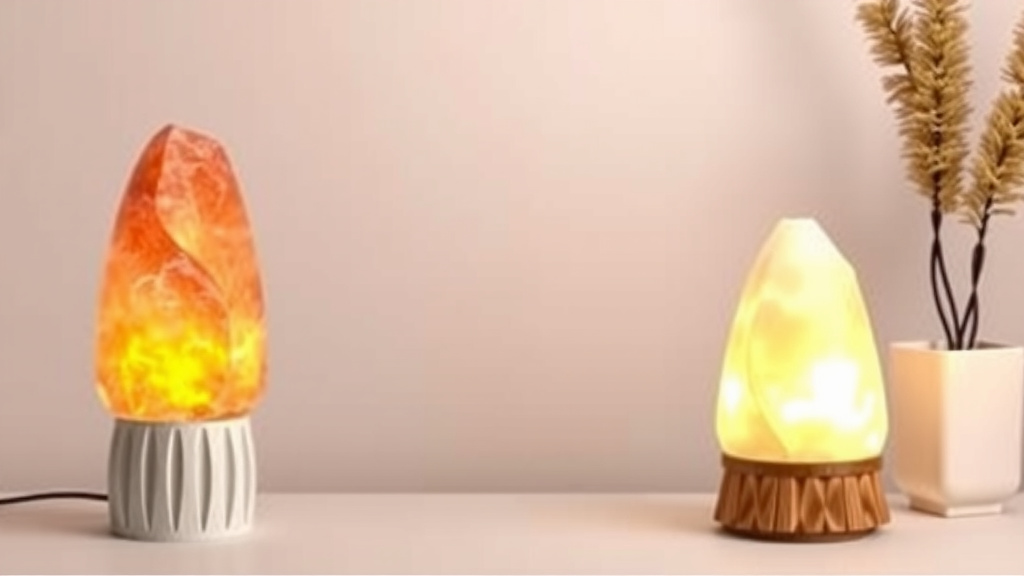
Given the lack of scientific backing for health claims, what are salt lamps good for? Their primary function is decorative. They add a unique, natural element to your home decor. The soft, warm glow is beautiful. It can create a cozy atmosphere in any room. They make a lovely night light. They are also conversation starters due to their unique appearance.
Choosing a Salt Lamp for Aesthetics
If you’re looking for a salt lamp, focus on its appearance. Consider the size, shape, and color of the salt crystal. Think about where you want to place it. Do you want a small one for your bedside table? Or a larger one for your living room? The beauty of these lamps is their natural variation. Each one is unique. You can find them in various styles, from rough, natural chunks to more carved and polished shapes.
A Checklist for Salt Lamp Enthusiasts
Here’s a quick rundown if you’re considering a salt lamp:
- Focus on Decor: View it primarily as a beautiful decorative item.
- Enjoy the Glow: Appreciate its soft, warm, and calming light.
- Manage Expectations: Don’t expect significant air purification or health boosts.
- Placement Matters: Use it where you want a cozy ambiance, like bedrooms or living areas.
- Regular Dusting: Like any decor, keep it clean for best appearance.
- Consider Humidity: In very humid environments, they can “sweat” more.
| Claimed Benefit | Scientific Evidence | Likely Reason for Perceived Benefit |
|---|---|---|
| Air Purification (Negative Ions) | Very limited, output too small to be effective. | Minimal dust attraction, not a substitute for air purifiers. |
| Mood Improvement | No direct evidence from ion emission. | The calming effect of soft, warm ambient light. |
| Better Sleep | No direct evidence from ion emission. | Relaxing light reduces stimulation, promoting a sense of calm. |
| Neutralizes Positive Ions | Insignificant ion output. | Overstated effect; not enough ions produced. |
Conclusion
So, what’s the final word on salt lamps? While they’re beautiful additions to your home, the scientific evidence for them purifying your air or significantly boosting your mood through negative ions is largely unproven. Your salt lamp’s soft, warm glow can certainly create a calming atmosphere, which might indirectly help you relax. However, it’s best to view them as primarily decorative items. If you love the aesthetic, enjoy it! Just don’t rely on it for major health benefits. For improved air quality, consider scientifically validated air purifiers.
Frequently Asked Questions
Do salt lamps really clean the air?
Research indicates that salt lamps do not effectively clean the air. While they might attract a small amount of dust due to their hygroscopic nature, they lack the mechanisms of true air purifiers like HEPA filters and fans. Their air-cleaning capabilities are minimal at best.
Can a salt lamp improve my mood or sleep?
The soothing, warm light emitted by a salt lamp can contribute to a relaxing ambiance, which may indirectly help you feel calmer. However, there’s no scientific proof that the negative ions they may emit, in tiny amounts, directly improve mood or sleep quality.
How many negative ions do salt lamps actually produce?
Studies have found that typical salt lamps produce a very small number of negative ions. This output is generally considered too low to have a measurable effect on the ion balance in a room or to provide any noticeable health benefits.
Are salt lamps safe to use as night lights?
Yes, salt lamps are generally safe to use as night lights. Their low-heat bulbs and pleasant glow make them a popular choice for creating a calming environment in bedrooms. Just ensure they are placed on a stable surface and away from potential hazards.
Should I buy a salt lamp for health benefits?
Based on current research, it’s not recommended to purchase a salt lamp with the primary expectation of gaining significant health benefits or air purification. Enjoying their decorative appeal and ambient light is their main strength.
![10 Best Clamp Desk Lamp [2026]](https://bestdesklamp.com/wp-content/uploads/2026/08/10-best-clamp-desk-lamp-2026-featured-768x432.jpg)