How Fluorescent Lamps Work: A Simple Explanation
Fluorescent lamps work by passing an electric current through a gas that excites mercury vapor. This process creates ultraviolet (UV) light, which then strikes a coating inside the tube. This coating, called phosphor, glows when hit by UV, producing the visible light you see. So, it’s a cool process involving electricity, gas, and special coatings to make light. Our guide explains how fluorescent lamp work, detailing the science behind the glow.
You might be wondering why your old fluorescent tubes hummed or flickered. That’s often due to the ballast, a component that controls the electric current. Early ballasts were magnetic, which could cause these issues. Modern electronic ballasts are much more efficient and silent. Many people find fluorescent lights a budget-friendly and energy-saving option compared to older incandescent bulbs.
- Fluorescent lights use electricity to excite gas, creating UV light.
- UV light hits a special coating (phosphor) to produce visible light.
- A ballast controls the electric current, essential for the lamp to function.
- Modern electronic ballasts are quieter and more efficient than older magnetic ones.
- They offer a good balance of cost and energy efficiency.
Let’s walk through exactly how that magic happens, from flipping the switch to lighting up your room!
How Fluorescent Lamps Create Light
Fluorescent lamps are pretty clever devices. They don’t just glow like old-fashioned bulbs. Instead, they use a bit of science to make light. It’s a process that’s been around for a while but still works really well for many situations. You might have them in your kitchen, garage, or even at your office. Let’s break down what’s happening inside that tube.
The Science Behind the Glow: Step-by-Step
What’s Inside the Tube?
When you look at a fluorescent tube, it might seem like just glass. But inside, there’s a special mix of gases. The main players are a small amount of mercury vapor and an inert gas like argon. This gas mixture is key to getting the light started. The inside of the tube is also coated with a white powder. This powder is called phosphor, and it’s what ultimately gives you the visible light you see.
Starting the Light Show: The Electric Current
Flipping the light switch sends electricity into the lamp. This electricity has to go through something called a ballast first. The ballast is like the traffic cop for electricity in your fluorescent light. It controls how much electricity flows and makes sure it’s just the right amount. Without a ballast, the electricity would just rush through, and the lamp wouldn’t work correctly, or it could even get damaged.
The Role of the Ballast
Older fluorescent lights used magnetic ballasts. These are heavier and can sometimes make a humming sound. They also need a little extra push, called a “starter,” to get the lamp going. Newer lights use electronic ballasts. These are much lighter and more efficient. They also start the lamp more quickly and quietly. Many people prefer electronic ballasts because they don’t have that annoying hum.
Making the Invisible Visible: UV Light Production
Once the ballast gets the electricity flowing properly, it sends a current through the gas mixture inside the tube. This electric current excites the mercury vapor. Think of it like giving the mercury atoms a little jolt of energy. When these mercury atoms get energized, they release energy in the form of ultraviolet (UV) light. Now, UV light is invisible to our eyes. So, even though a lot of it is being made, you can’t see it directly.
The Phosphor Coating: Creating Visible Light
This is where the phosphor coating on the inside of the tube comes into play. When the invisible UV light strikes the phosphor coating, it causes the phosphor particles to glow. This process is called fluorescence. Different types of phosphor coatings can produce different colors of light, from a cool, bluish white to a warmer, yellowish white. The phosphor essentially converts the high-energy UV light into the lower-energy, visible light that illuminates your room. It’s a bit like a magic trick, turning something unseen into something you can easily see!
Why Do They Sometimes Flicker or Hum?
You might recall older fluorescent lights flickering or buzzing. This was often a sign of the ballast working. Magnetic ballasts, as mentioned, can produce a hum. Flickering could happen if the starter was failing or if the lamp was nearing the end of its life. The gas inside might not be getting excited as efficiently. Modern electronic ballasts are designed to prevent most of these issues, offering a much more stable and silent light experience.
Comparing Fluorescent Lights to Other Bulbs
Fluorescent lights offer some real advantages. They are known for being energy-efficient. This means they use less electricity to produce the same amount of light compared to older incandescent bulbs. This can lead to savings on your electricity bill. They also tend to last much longer than incandescent bulbs, which means you won’t be changing them as often.
| Type of Bulb | Energy Efficiency | Lifespan | Initial Cost |
|---|---|---|---|
| Incandescent | Low | Short | Very Low |
| Fluorescent | High | Long | Moderate |
| LED | Very High | Very Long | Higher |
While LEDs are now the most energy-efficient option, fluorescent lights still hold their own, especially when you consider their initial cost. Many experts suggest that for certain applications, like large rooms or areas where lights are on for extended periods, fluorescents can still be a cost-effective choice (Energy.gov).
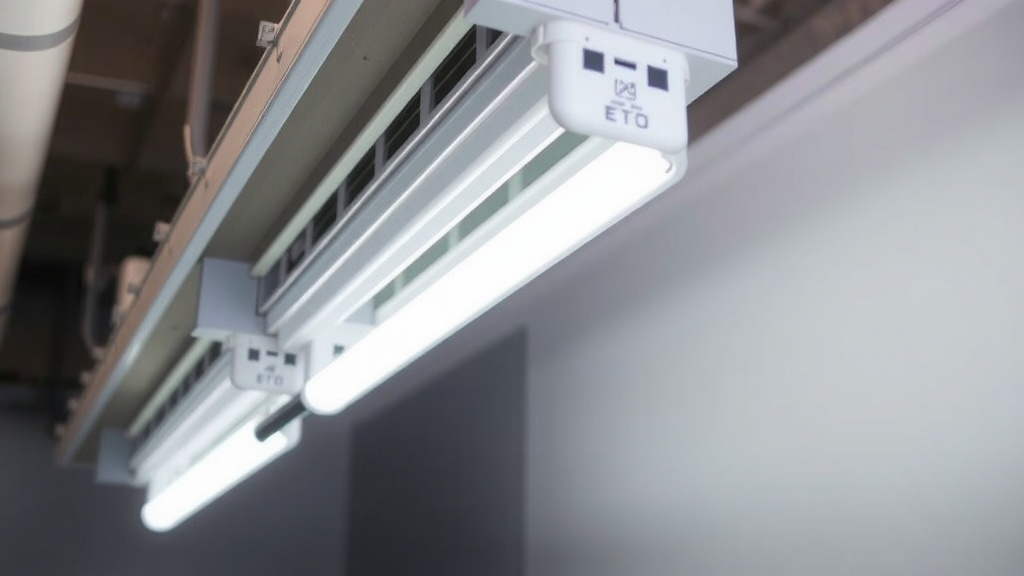
Quick Checklist: How Your Fluorescent Light Works
- Flip the switch to start the flow of electricity.
- The ballast regulates the electric current.
- Current passes through mercury vapor and argon gas.
- This creates invisible ultraviolet (UV) light.
- UV light hits the phosphor coating inside the tube.
- The phosphor glows, producing visible light.
Conclusion
So, you’ve seen how fluorescent lamps transform electricity into light. It’s a fascinating process involving mercury vapor, UV light, and a phosphor coating. The ballast plays a critical role, managing the current to keep things running smoothly. While newer technologies exist, fluorescent lights remain a practical choice for many, balancing efficiency and cost. Next time you flip a switch for a fluorescent light, you’ll know exactly what’s happening inside that tube. Consider checking your current fixtures for efficient electronic ballasts to maximize your savings and lighting experience.
Frequently Asked Questions
Are fluorescent lamps safe to use?
Yes, fluorescent lamps are generally safe when used correctly. They contain a small amount of mercury vapor, which is a hazardous substance. However, the amount is very small, and the mercury is contained within the sealed glass tube. If a tube breaks, it’s best to ventilate the room and clean up carefully, avoiding vacuuming.
Why do fluorescent lights buzz sometimes?
The buzzing sound you might hear from fluorescent lights is usually caused by the ballast. Older magnetic ballasts are more prone to producing a hum or buzz. Modern electronic ballasts are designed to operate much more quietly and efficiently, minimizing or eliminating these sounds.
What happens when a fluorescent bulb “burns out”?
When a fluorescent bulb reaches the end of its life, it might start to flicker excessively or the ends may turn dark. This is because the electrodes inside the tube wear down over time, making it harder for them to emit electrons. Eventually, the gas inside can no longer be energized effectively to produce light.
Can I replace an old fluorescent ballast myself?
Replacing a ballast involves working with electricity and can be dangerous if you’re not experienced. It’s generally recommended to hire a qualified electrician for ballast replacement to ensure it’s done safely and correctly. They can also advise on upgrading to more efficient electronic ballasts.
How do fluorescent lights compare to LED lights in terms of energy use?
Fluorescent lights are much more energy-efficient than traditional incandescent bulbs. However, LED lights are even more efficient than fluorescent lamps. While fluorescents convert a good portion of energy into visible light, LEDs convert nearly all of it, using less electricity to produce the same amount of light and lasting even longer.