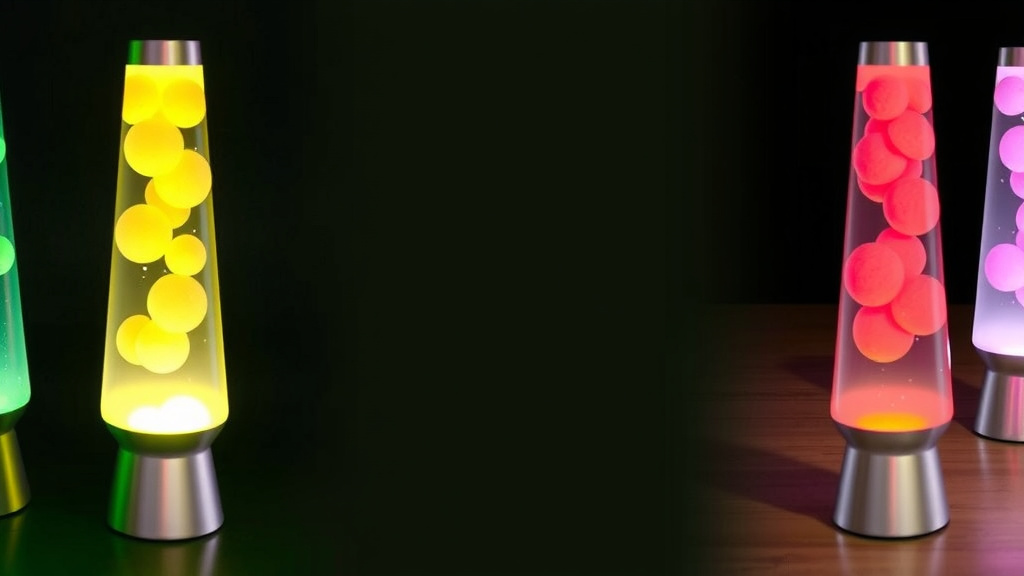
How Glitter Lava Lamps Work Explained
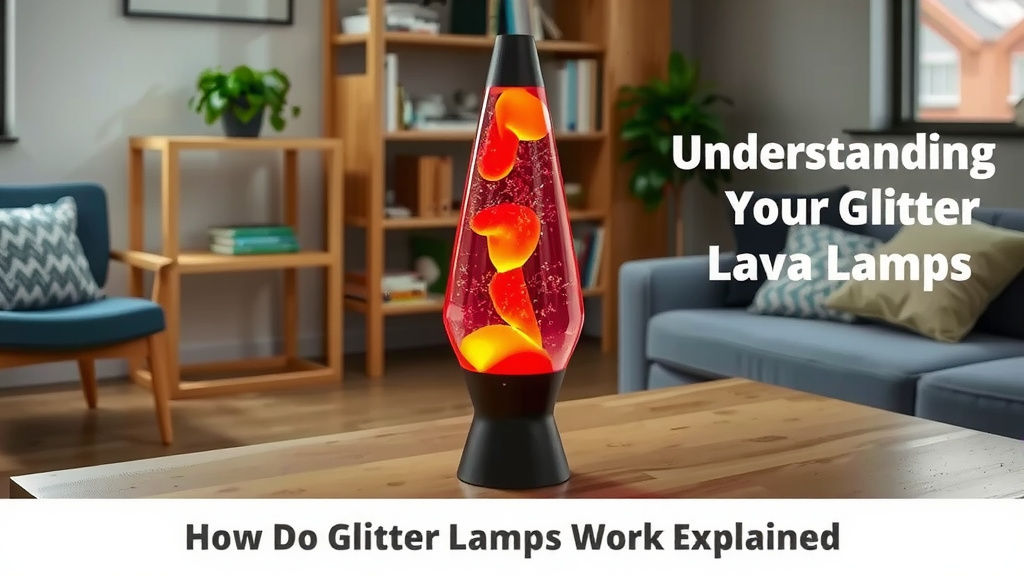
Glitter lava lamps work by using a special liquid and a heat source to create mesmerizing, flowing blobs. The heat from a light bulb at the base warms a waxy substance at the bottom. This wax is less dense than the surrounding liquid when warm, causing it to rise. As it cools at the top, it becomes denser and sinks back down, creating the continuous motion you see. It’s a clever dance of density and heat that makes these lamps so captivating.
Many people wonder about the science behind these groovy lamps. It’s all about the interplay between two liquids with different densities and how heat affects them. The glitter itself adds a bit of sparkle, but the core magic comes from the immiscible liquids and thermal convection. We found that the exact formulations can vary, but the basic principle of heating and cooling causing movement remains the same across most designs.
- Glitter lava lamps use heat to move colored wax.
- A light bulb at the base provides the heat.
- Warmer wax rises because it’s less dense.
- Cooler wax sinks back down, creating the flow.
- This process is called thermal convection.
So, how do these delightful blobs get their start and keep moving? Let’s dive a bit deeper into the science and components that make your glitter lava lamp a visual wonder.
Understanding Your Glitter Lava Lamp’s Magic
So, you’ve got this groovy lamp, and you’re probably wondering, “What makes those glittery blobs dance?” It’s actually a pretty neat scientific principle at play. Your glitter lava lamp works by cleverly using heat and the different densities of two liquids.
The Core Components: What’s Inside?
Inside that glass vessel, you’ll find a few key players. There’s the main liquid, which is usually water-based and clear or colored. Then, there’s the special “lava” substance. This isn’t really lava, of course! It’s a dense, waxy material that’s immiscible with the surrounding liquid. Immiscible just means they don’t mix, like oil and water. The glitter is mixed in with this waxy substance to give it that extra sparkle.
The Mysterious “Lava” Mix
The waxy stuff is often a paraffin-based wax. Its density is carefully calibrated. It needs to be slightly denser than the main liquid at room temperature. This is important so it stays put at the bottom when the lamp is off. When heated, its density changes dramatically.
The Sparkly Glitter
And the glitter? It’s usually made of plastic or mica. It’s chosen to be dense enough to sink with the wax but light enough not to weigh it down too much. Its primary job is to catch the light and add that mesmerizing shimmer. It’s the fairy dust of the lava lamp world!
The Science of the Flow: Heat and Density
The real magic happens when you turn on the lamp. It’s all about how heat affects density. We found that this process is a beautiful demonstration of thermal convection.
The Heat Source: A Gentle Warming
At the very bottom of your lamp, there’s a light bulb. This bulb does two things. First, it provides the light that illuminates your lamp. Second, and more importantly for the movement, it acts as a gentle heat source. This heat is key to starting the whole show.
Warming the Waxy Substance
The light bulb warms the metal coil at the base of the lamp. This coil then transfers heat to the waxy “lava” blob that rests on it. As the wax absorbs this heat, it begins to expand slightly. Expansion means it takes up more space. When something takes up more space without gaining much weight, its density decreases.
Becoming Lighter Than Air (Almost!)
Research shows that as the wax heats up and expands, it becomes less dense than the surrounding liquid. Think of a hot air balloon; hot air is less dense and rises. It’s the same principle here. This difference in density is what makes the warm wax blob begin to float upwards.
The Journey Upwards and Cooling Down
Once the wax blob is less dense, it detaches from the bottom and starts its slow, graceful ascent. It drifts up through the main liquid, looking like a flowing, glittery amoeba. As it travels higher, the temperature around it starts to drop. The glass walls of the lamp are cooler than the bottom where the heat source is.
A Natural Cooling Process
The main liquid helps to cool the wax blob. As the wax blob loses heat to the cooler surrounding liquid, it begins to contract. When it contracts, it takes up less space. Without losing much weight, this makes the wax blob become denser again.
The Descent Back Home
Now, the cooled wax blob is denser than the surrounding liquid. Just like a rock sinks in water, this denser blob begins to sink. It drifts back down towards the heat source at the bottom. Once it reaches the bottom, it’s ready to be heated up all over again, starting the cycle anew.
Why Do the Blobs Form and Break Apart?
You might notice that the blobs aren’t static. They form, grow, break apart, and reform. This dynamic behavior adds to the lamp’s charm.
Surface Tension and Cohesion
The waxy substance has a certain level of cohesion, meaning its particles like to stick together. Surface tension also plays a role in keeping the blob mostly intact as it travels. However, as the blob rises and cools, its shape can become unstable.
Stretching and Breaking
The forces of the surrounding liquid, combined with the cooling and contracting wax, can cause the blob to stretch. Eventually, it stretches too thin and breaks into smaller pieces. These smaller pieces then continue their journey down, ready to rejoin and form new blobs.
Reforming at the Bottom
At the bottom, the heat from the coil helps these smaller pieces to merge back together. They can coalesce into a larger blob, or the heat might cause them to melt and flow into one another. This constant reforming is part of the mesmerizing dance.
A Quick Checklist for Your Lamp’s Performance
To ensure your glitter lava lamp is working its best, keep these simple points in mind:
- Ensure the lamp is on a stable, level surface.
- Give it time to warm up fully – at least 1-2 hours.
- Avoid moving the lamp while it’s hot or the wax is liquid.
- Keep it away from direct sunlight or drafts, which can affect cooling.
- Don’t leave it on 24/7; check manufacturer recommendations for safe use times.
Conclusion
You’ve now seen how your glitter lava lamp is more than just a pretty decoration. It’s a fantastic demonstration of science in action, specifically thermal convection. The careful balance of liquid densities and the gentle heat from a light bulb create that mesmerizing, never-ending flow. Watching those glittery blobs rise and fall is a visual reminder of how heat and density work together. To keep enjoying this captivating show, make sure your lamp is set up correctly and give it ample time to warm up. Your lamp is ready to bring that groovy glow to your space!
Frequently Asked Questions
What kind of liquid is inside a glitter lava lamp?
The main liquid is typically water-based and clear or colored. The “lava” itself is a special waxy substance, often paraffin-based, that doesn’t mix with the water. This difference in their ability to mix is key to how the lamp works.
Can I put anything else into my lava lamp to make the glitter flow better?
It’s best not to add anything extra to your lava lamp. The formula of the liquids and wax is precisely balanced for optimal flow. Tampering with it could damage the lamp or affect its performance.
How long does it usually take for a glitter lava lamp to start working?
Glitter lava lamps need time to warm up, usually between 1 to 2 hours. The light bulb at the base must heat the wax enough for it to become less dense and begin its journey upwards.
What happens if I move my lava lamp while it’s on?
You should avoid moving your lava lamp when it’s hot or the wax is liquid. This can disrupt the flow and may cause the wax to break apart into small, cloudy pieces that take a long time to reform, if they ever do.
Why does the glitter sometimes clump together at the bottom?
Sometimes, the glitter can clump with the wax at the bottom. If this happens, ensure the lamp is on a stable, level surface and has enough time to heat up thoroughly. Consistent heat is needed for the wax and glitter to separate and flow properly.
![10 Best Cordless Led Table Lamp [2026]](https://bestdesklamp.com/wp-content/uploads/2026/09/10-best-cordless-led-table-lamp-2026-featured-768x432.jpg)
![10 Best Buy Sun Lamp [2026]](https://bestdesklamp.com/wp-content/uploads/2026/08/10-best-buy-sun-lamp-2026-featured-768x432.jpg)