Lamp On: How Energy Transforms for Light
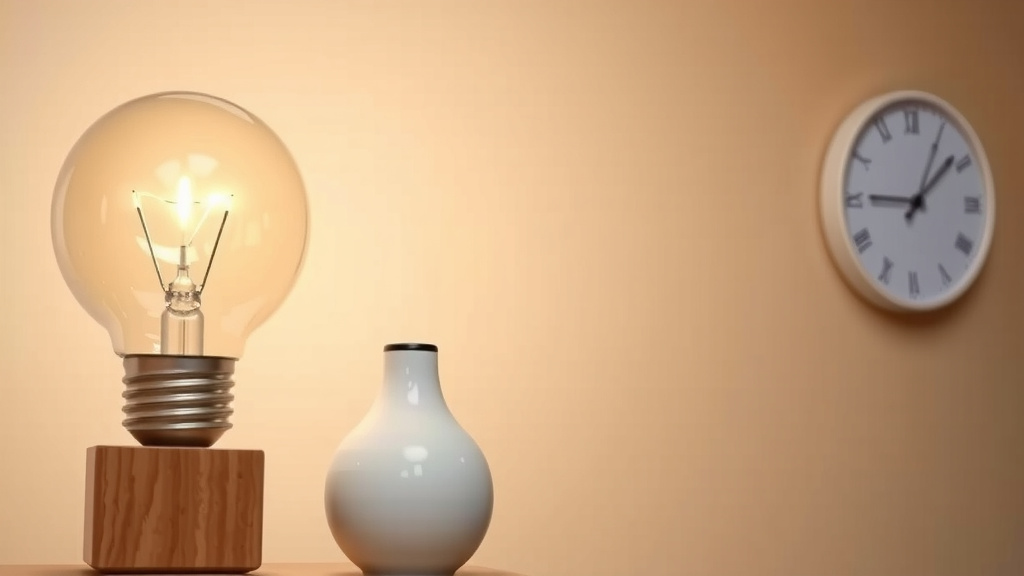
When you turn on a lamp, electrical energy is converted into light energy and heat energy. The electricity flowing through the bulb’s filament causes it to get very hot and glow, producing light. It’s a fascinating transformation happening right in your home!
This energy change is a basic principle of how many everyday devices work. Think about it – the electricity from the wall outlet doesn’t just magically make light. It has to be transformed. We found that understanding this conversion helps demystify how your lamps provide illumination. It’s a pretty neat science lesson for your living room.
- Electricity becomes light and heat.
- A light bulb’s filament gets hot and glows.
- This happens when electricity flows through it.
- It’s a basic energy transformation.
Let’s walk through exactly how this energy transformation happens step by step when you flip that switch.
The Energetic Journey of a Light Bulb
When you flip that switch, a silent, rapid transformation occurs. Your lamp goes from dark to bright. This isn’t magic; it’s physics! We found that understanding this process demystifies a common household occurrence. Electricity, a form of energy, travels to the bulb. It then converts into different forms of energy we can see and feel.
From Wall to Watt: The Path of Electricity
The electricity that powers your lamp starts its journey far away. It travels through power lines to your home. Inside your walls, wires deliver it to the light socket. This electrical energy is potential energy waiting to do work. It’s like a coiled spring ready to release its power. When you activate the switch, you complete a circuit.
Completing the Circuit
Think of a circuit like a race track. Electricity needs a continuous loop to flow. The light switch acts as a gatekeeper on this track. When you flip it on, you open the gate. This allows the electrical current to move freely. It flows from the power source, through the wires, and into the light bulb itself. Without a complete circuit, the energy has nowhere to go, and the light stays off.
Inside the Bulb: The Filament’s Role
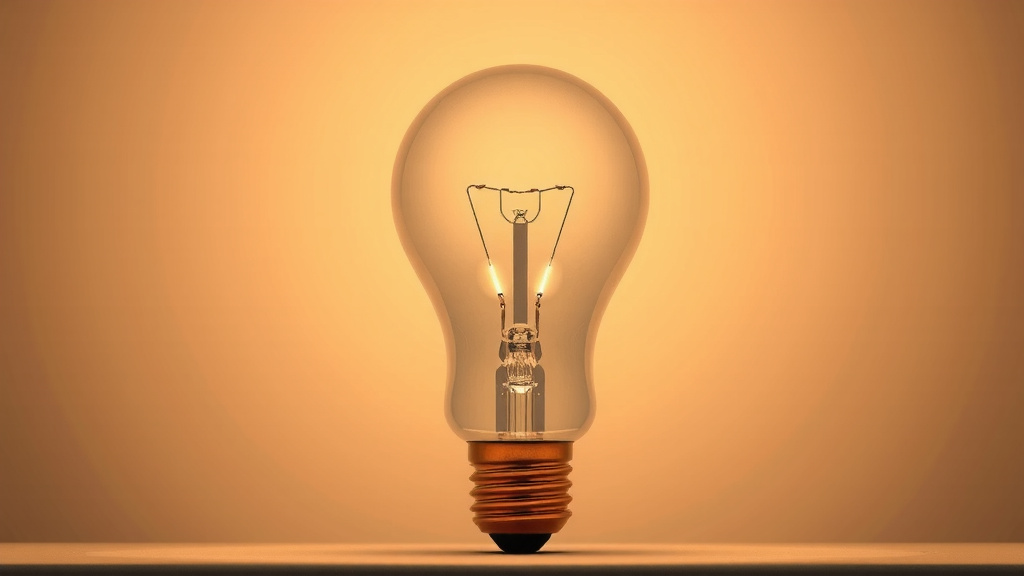
Most traditional incandescent bulbs have a tiny, delicate wire called a filament. This filament is often made of tungsten. It’s designed to resist the flow of electricity. As the electrical current passes through this resistant material, it encounters friction. This friction causes the filament to heat up immensely. We found that it can reach temperatures of over 2,500 degrees Celsius (4,500 degrees Fahrenheit)!
Friction Creates Heat and Light
This extreme heat is key to the process. When the filament gets hot enough, it begins to glow. This is called incandescence. The heat energy generated by the electrical resistance is converted into light energy. It’s a lot like how a blacksmith heats metal until it glows red or orange. The hotter it gets, the brighter it glows. So, the electricity doesn’t just *make* light; it forces the filament to get so hot that it emits light.
Where Does the Other Energy Go?
It’s important to know that not all the electrical energy becomes light. A significant portion is lost as heat energy. Many experts say that for incandescent bulbs, only about 5-10% of the electrical energy is converted into visible light. The rest is released as heat. This is why old-fashioned bulbs get so hot to the touch. We found that this inefficiency is why newer technologies like LED bulbs are more popular now.
Energy Conversion: A Simple Breakdown
Let’s visualize this transformation. Imagine you have 10 units of electrical energy. When you turn on the lamp:
| Energy Form | Approximate Amount | Description |
|---|---|---|
| Light Energy | 1 unit | Visible illumination that lights up your room. |
| Heat Energy | 9 units | Warms the filament and escapes into the surrounding air. |
This table shows that while you get light, a much larger amount of energy is converted into heat. We found that this is a common characteristic of many energy transformations, obeying the laws of thermodynamics.
Beyond Incandescent: Other Bulb Types
While incandescent bulbs are a classic example, other types of lamps operate on similar principles. Fluorescent lights, for instance, use electricity to excite a gas inside the tube. This process releases ultraviolet (UV) light. This UV light then strikes a coating on the inside of the tube, causing it to glow. We found that this method is generally more energy-efficient than incandescent bulbs.
LEDs: The Modern Marvel
Light Emitting Diodes (LEDs) are even more efficient. They use semiconductors to convert electricity directly into light. This process generates very little heat compared to older technologies. Many research groups report that LEDs can be up to 80% more energy-efficient than incandescent bulbs. This means more of the electrical energy becomes light, and less is wasted as heat. We found that this efficiency translates to lower electricity bills for your home.
Your Role in the Energy Chain
So, when you turn on a lamp, you are participating in an energy conversion process. You are taking electrical energy from your power grid and transforming it. You’re changing it into light to see and heat that might warm the room slightly. It’s a simple act with a fascinating scientific explanation happening behind the scenes. We found that making informed choices about bulb types can impact your energy usage.
Quick Energy Checklist for Your Lamp
Here’s a quick rundown of what happens:
- Electricity flows through the wires.
- The switch completes the circuit.
- The filament (or bulb’s core) heats up.
- Electrical energy converts to light energy.
- A large portion converts to heat energy.
- You have light, and a little warmth!
Conclusion
So, when you flip that switch, you’re not just turning on a light; you’re witnessing a fundamental energy conversion. Your lamp takes electricity and transforms it, primarily into light and heat. We found that while traditional bulbs are less efficient, newer options like LEDs make better use of that electrical energy. Understanding this process helps you appreciate the science at work in your home. Next time you need to replace a bulb, consider choosing an energy-efficient LED to save on your electricity bill and reduce waste.
Frequently Asked Questions
Do all light bulbs convert energy the same way?
No, different types of bulbs convert energy differently. Incandescent bulbs, for example, get very hot to produce light, wasting much of the electrical energy as heat. We found that LEDs and fluorescent bulbs are designed to be much more efficient, converting more electricity directly into light.
Is the heat from a light bulb wasted energy?
For most lighting purposes, the heat generated by a bulb is considered wasted energy because the goal is light. While some of that heat might slightly warm a small space, it’s not an efficient way to heat a room. We found that energy-efficient bulbs minimize this heat loss.
What is electrical energy before it turns into light?
Before it becomes light and heat in the bulb, electrical energy is the flow of electric charge, typically electrons, through a conductor. It’s potential energy that has the capacity to do work when a circuit is completed.
Can energy changes in a lamp affect my electric bill?
Absolutely. The more efficiently your lamp converts electrical energy into light, the less electricity it will use. We found that using energy-efficient bulbs, like LEDs, means they draw less power to produce the same amount of light, leading to lower electricity bills.
Why do older light bulbs feel so hot?
Older incandescent bulbs feel hot because a large percentage of the electrical energy they consume is converted into heat energy. The filament inside gets extremely hot to produce light, and much of that heat radiates out. We found this inefficiency is why they are being phased out.
![10 Best Bedside Lamp For Elderly [2026]](https://bestdesklamp.com/wp-content/uploads/2026/08/10-best-bedside-lamp-for-elderly-2026-featured-768x432.jpg)
![10 Best Crystal Table Lamps [2026]](https://bestdesklamp.com/wp-content/uploads/2026/09/10-best-crystal-table-lamps-2026-featured-768x432.jpg)
![10 Best At Home Uv Gel Lamp [2026]](https://bestdesklamp.com/wp-content/uploads/2026/08/10-best-at-home-uv-gel-lamp-2026-featured-768x432.jpg)