How Does a Salt Lamp Work? Full Explanation
A salt lamp works by using a light bulb to heat a large crystal salt rock. This process releases negative ions into the air. Many people believe these negative ions can help purify the air and create a more relaxing atmosphere. So, yes, your pretty pink lamp is doing more than just looking good!
When the salt crystal is warmed, it draws moisture from the surrounding air. This moisture evaporates, and as it does, the salt is said to release those beneficial negative ions. This is why they are often found in spas and wellness centers. It’s a simple, natural process that many find calming.
- Salt lamps use a light bulb to heat a crystal salt chunk.
- This heating process releases negative ions into the air.
- These ions are thought to purify air and promote relaxation.
- The salt draws in moisture, which then evaporates.
Ready to get the full scoop on how this glow-up happens? Let’s walk through exactly how your salt lamp works, step by step.
“`htmlUnderstanding How a Himalayan Salt Lamp Works
You might be wondering how a simple chunk of salt can make a difference in your home. It’s actually a pretty neat process that involves a bit of science and a touch of nature’s magic. Let’s break down the core mechanism that makes your salt lamp glow and, some believe, purify your air.
The Essential Components: Salt and Light
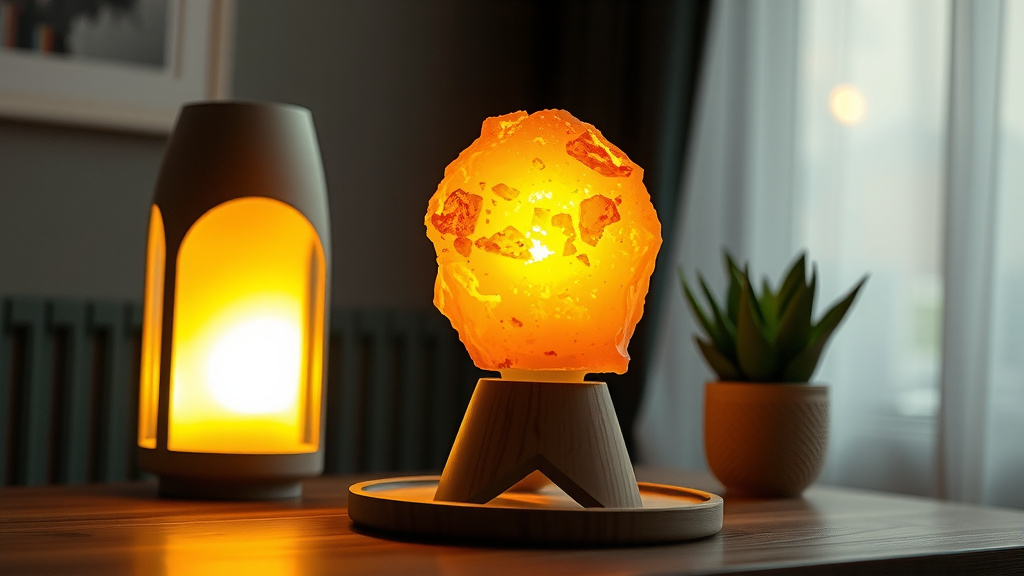
At its heart, a salt lamp is quite simple. You have a chunk of natural crystal salt, often sourced from the Khewra Salt Mine in Pakistan. This salt is hollowed out to hold a light bulb. When you plug it in and turn it on, the light bulb heats the salt.
The Role of the Light Bulb
The light bulb is the engine of the operation. It’s not just for light; it’s for warmth. A standard incandescent bulb is often used because it generates a good amount of heat. This heat is what kickstarts the entire process. You’ll find the salt chunk gets pleasantly warm to the touch.
The Salt Crystal Itself
The salt is special. It’s not your table salt. It’s a mineral-rich Himalayan salt that contains trace elements. These minerals give it that unique pinkish-orange hue. The porous nature of the salt is also key. It allows for interaction with the air.
The Science Behind the Glow: Hygroscopy and Ion Release
This is where things get interesting. The heat from the bulb interacts with the salt and the surrounding air in a specific way. This interaction is believed to be responsible for the purported benefits of salt lamps.
Hygroscopic Action: Attracting Moisture
Salt, especially the kind found in these lamps, is hygroscopic. This means it has a natural tendency to attract and absorb moisture from the air. Think of it like a tiny sponge. When the lamp is on and the salt is warm, it actively draws in water vapor present in your room.
As this moisture collects on the surface of the salt, it dissolves some of the salt’s minerals. This creates a very thin, concentrated saltwater solution on the lamp’s surface. It’s a gentle, constant process happening as long as the lamp is warm.
Evaporation and Ion Emission
Once the moisture is absorbed and forms a brine, the heat from the bulb begins to evaporate it. As the water evaporates, it’s theorized that the salt releases beneficial negative ions into the air. This is the core claim behind many salt lamp benefits.
The idea is that this evaporation and ion release process helps to cleanse and purify the air. Many sources suggest that in our modern world, our homes are filled with positively charged ions from electronics. The negative ions from the salt lamp are thought to counteract these.
While the science behind this specific ion release is still debated, the hygroscopic process is well-established. The evaporation and the unique mineral composition of the salt are central to the lamp’s function.
What Are Negative Ions and Why Do People Care?
Negative ions are simply molecules that have gained an electron, giving them a negative electrical charge. You find them naturally in many environments, like near waterfalls or after a thunderstorm. These are often described as feeling “fresh” or “clean.”
Many wellness advocates believe that exposure to negative ions can have positive effects on mood and well-being. They suggest that negative ions can help neutralize air pollutants like dust, pollen, and even smoke. Some research indicates a link between negative ion exposure and improved mood, though more studies are needed.
When you have a salt lamp, the idea is that its warm surface is constantly evaporating moisture. This evaporation process, in turn, releases these naturally occurring negative ions. It’s like bringing a little bit of that fresh, clean waterfall air into your home.
Common Misconceptions and What to Expect
It’s important to approach the benefits of salt lamps with realistic expectations. While they are beautiful and create a lovely ambiance, the claims of massive air purification are often overstated. The actual amount of ion release might be small.
Air Purification vs. Ambiance
The primary, scientifically verifiable function is the hygroscopic action. The lamp draws in moisture. The secondary, often-touted benefit is the negative ion release. While possible, the extent of this air purification is difficult to quantify for a single lamp. Think of it more as a gentle, passive effect.
Most people purchase salt lamps for their warm, soothing glow. They create a cozy atmosphere, perfect for relaxation or as a night light. The aesthetic appeal is undeniable, and that alone makes them a popular choice.
Maintaining Your Salt Lamp
Because of the hygroscopic nature, salt lamps can sweat if the humidity is very high or if they are turned off for extended periods. If you notice water buildup, simply wipe it dry with a soft cloth. It’s a good idea to keep your lamp on as much as possible to prevent this.
This also means they aren’t ideal for very damp environments like bathrooms. They work best in average home humidity levels. Keeping them on regularly helps maintain the salt’s surface and the evaporation process.
Here’s a quick rundown of what your salt lamp is doing:
- Absorbing moisture from the air (hygroscopy).
- Dissolving a tiny bit of salt into that moisture.
- Evaporating the moisture due to the bulb’s heat.
- Potentially releasing negative ions during evaporation.
- Providing a warm, ambient light.
- Creating a relaxing atmosphere.
A Simple Natural Process
So, there you have it. Your salt lamp is a beautiful blend of a simple light fixture and a natural mineral phenomenon. It warms the salt, which draws in moisture, and as that moisture evaporates, it’s believed to release negative ions, all while casting a lovely, calming light.
“`
Conclusion
You’ve now seen how your beautiful salt lamp works! It’s a natural process where the bulb’s warmth interacts with the crystal salt’s hygroscopic properties. This action draws in moisture, and as it evaporates, it’s believed to release negative ions, potentially helping to freshen your air. While its primary role is often ambiance and a cozy glow, this gentle, natural cycle adds a unique touch to your home. So, go ahead and enjoy that warm, inviting light you’ve created!
Frequently Asked Questions
Do I need to leave my salt lamp on all the time?
It’s generally recommended to keep your salt lamp on for several hours a day. This consistent warmth helps maintain the hygroscopic process and prevents moisture buildup, ensuring it functions as intended and looks its best.
What happens if my salt lamp “sweats”?
When the humidity is high, or the lamp isn’t on, the salt can absorb too much moisture and appear to sweat. Simply wipe it dry with a soft, clean cloth. Keeping the lamp on regularly helps prevent this by promoting evaporation.
Can a salt lamp really purify my air?
Salt lamps are believed to release negative ions that can help neutralize airborne pollutants. While this effect is thought to be gentle rather than a powerful air purifier, many people enjoy the clean, fresh feeling they contribute to a room’s atmosphere.
Is the pink color of Himalayan salt lamps natural?
Yes, the beautiful pinkish-orange hue of Himalayan salt lamps comes from the natural mineral content within the salt crystal. These trace minerals give the salt its unique color and are part of what makes it special.
What kind of light bulb should I use in my salt lamp?
Most salt lamps come with or recommend a standard incandescent light bulb. These bulbs generate enough heat to warm the salt effectively for the hygroscopic and ion-releasing processes to occur, while also providing a warm, ambient glow.
![10 Best Corner Lamps For Living Room [2026]](https://bestdesklamp.com/wp-content/uploads/2026/09/10-best-corner-lamps-for-living-room-2026-featured-768x432.jpg)