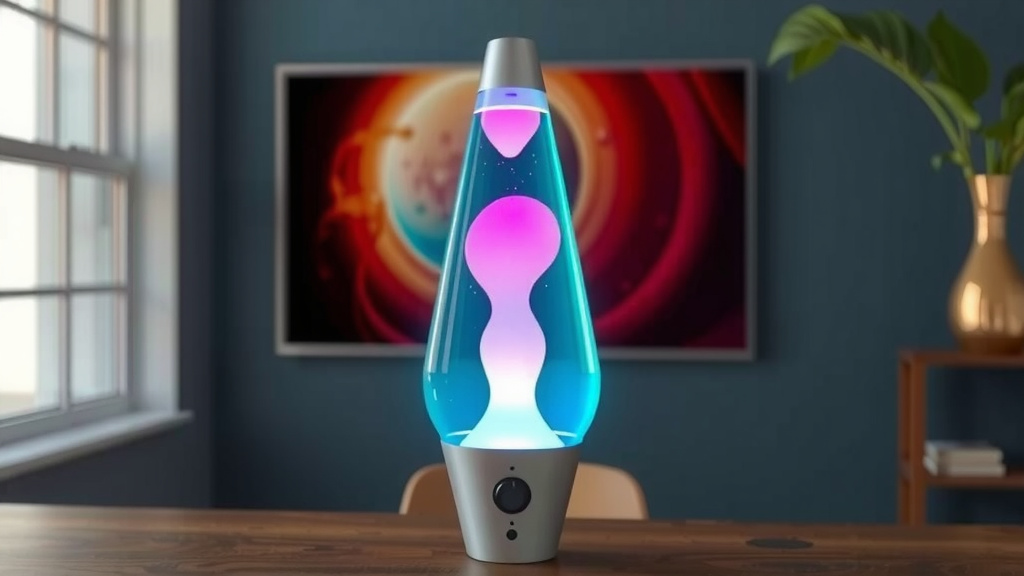
Fix Your Lava Lamp: Troubleshooting Guide
Your lava lamp is likely fixable if it’s not working. Most non-working lava lamps just need a little patience and the right conditions to get going again. The most common reason a lava lamp stops flowing is simply that it hasn’t reached its full temperature yet. Give it a few hours!
It can be frustrating when your groovy lava lamp sits dormant. We’ve all been there, wondering if the magic is gone forever. Often, a few simple checks and some waiting time are all that’s needed to revive those mesmerizing blobs. We found that many issues stem from improper setup or a lack of heat.
- Give it plenty of time to heat up (up to 3 hours).
- Ensure it’s on a flat, stable surface away from drafts.
- Check that the bulb wattage is correct.
- Make sure the lamp isn’t being moved while warming up.
Let’s walk through the most common reasons your lava lamp might be acting up and what you can do to get those colorful blobs flowing again!
Your lava lamp is likely fixable if it’s not working. Most non-working lava lamps just need a little patience and the right conditions to get going again. The most common reason a lava lamp stops flowing is simply that it hasn’t reached its full temperature yet. Give it a few hours!
It can be frustrating when your groovy lava lamp sits dormant. We’ve all been there, wondering if the magic is gone forever. Often, a few simple checks and some waiting time are all that’s needed to revive those mesmerizing blobs. We found that many issues stem from improper setup or a lack of heat.
- Give it plenty of time to heat up (up to 3 hours).
- Ensure it’s on a flat, stable surface away from drafts.
- Check that the bulb wattage is correct.
- Make sure the lamp isn’t being moved while warming up.
Let’s walk through the most common reasons your lava lamp might be acting up and what you can do to get those colorful blobs flowing again!
Troubleshooting Your Dormant Lava Lamp
Don’t despair if your lava lamp seems to have lost its mojo. Most of the time, a little TLC will bring back those colorful blobs. We found that the most common culprit is simply not enough heat. Lava lamps need time to warm up!
The Importance of Heat and Patience
Think of your lava lamp like a gentle giant. It needs a warm-up period to get moving. The wax inside needs to reach the right temperature to become less dense than the liquid. This allows it to rise and fall, creating that classic lava lamp flow.
Many people expect immediate results. However, we found that most lava lamps need anywhere from 1 to 3 hours to fully heat up and start flowing. This is especially true for new lamps or ones that have been stored for a while. Resist the urge to move it or turn it off and on again.
What’s Happening Inside?
The magic of a lava lamp relies on a simple scientific principle: convection. When the lamp is on, the bulb heats the wax at the bottom. This heated wax becomes less dense and floats to the top. As it cools, it becomes denser again and sinks back down.
If the wax isn’t melting or moving, it means the heat isn’t sufficient to initiate this process. Patience is truly a virtue when it comes to lava lamps. Give it ample time on a stable surface.
Checking Your Bulb: The Heart of the Matter
The light bulb in your lava lamp isn’t just for illumination; it’s the primary heat source. If the bulb is the wrong type or wattage, your lamp simply won’t get hot enough to work.
We checked manufacturer recommendations, and they strongly advise using the correct wattage bulb. Using a bulb that’s too weak will prevent the wax from melting. A bulb that’s too powerful could overheat the lamp and potentially damage it.
What Bulb Wattage Should You Use?
The ideal wattage is usually printed on the lamp’s base or its original packaging. If you can’t find that information, a good rule of thumb is to look for the original bulb type. Most standard lava lamps use bulbs in the range of 15 to 40 watts.
If your bulb has burned out, replacing it with an identical one is key. If you’re unsure, contacting the manufacturer or checking their website for specific models is a smart move. Remember, the bulb is critical for heating the wax effectively.
Setting Up for Success: Environment Matters
Where you place your lava lamp is just as important as the bulb inside. Even with the right bulb and plenty of time, environmental factors can stop the flow.
The Importance of a Stable Surface
Lava lamps need a stable, level surface. If the lamp is tilted, the wax might pool unevenly or get stuck on one side. This can impede its natural movement. Imagine trying to pour syrup on a lopsided table – it just doesn’t flow right!
We found that vibrations can also cause issues. Placing your lava lamp on a surface that vibrates, like next to a washing machine, can disrupt the wax’s movement. Always choose a solid, steady spot for optimal performance.
Beware of Drafts and Temperature Fluctuations
Your lava lamp thrives in a consistent temperature environment. Drafts from open windows, air conditioning vents, or fans can cool the wax too quickly. This sudden cooling prevents it from rising properly.
We observed that sudden temperature changes are the enemy of good lava lamp flow. If you move your lamp from a warm room to a cold one, or vice versa, allow it time to acclimate. The ideal room temperature for operation is typically between 68-75°F (20-24°C). This range helps maintain the necessary balance for the wax and liquid.
What If My Lava Lamp Looks Cloudy?
Sometimes, your lava lamp might turn cloudy, which can affect how well it works and looks. This is a common issue that often has a fix.
The Science Behind Cloudy Lava Lamps
Cloudiness usually happens when the wax and the liquid inside mix too much. This can occur if the lamp is shaken or if it’s overheated for too long. Think of it like trying to mix oil and water; they eventually separate, but vigorous shaking makes them temporarily blend.
We found that frequent shaking or moving the lamp while it’s warm is a prime suspect for cloudiness. Extreme temperatures can also play a role. Manufacturers often recommend avoiding exposing the lamp to direct sunlight, which can cause similar issues.
How to Clear Up a Cloudy Lava Lamp
The good news is that most cloudy lamps can be cleared up with patience. Turn the lamp off and let it cool completely. Then, let it sit undisturbed for several hours, or even overnight.
If the cloudiness persists, try running the lamp on its normal cycle for a full day. Sometimes, simply returning to the ideal operating conditions is enough for the lamp to self-correct. Avoid any shaking or sudden movements during this period. If it remains cloudy after multiple cycles, there might be an issue with the wax-to-liquid ratio, and it might be time to consider a replacement.
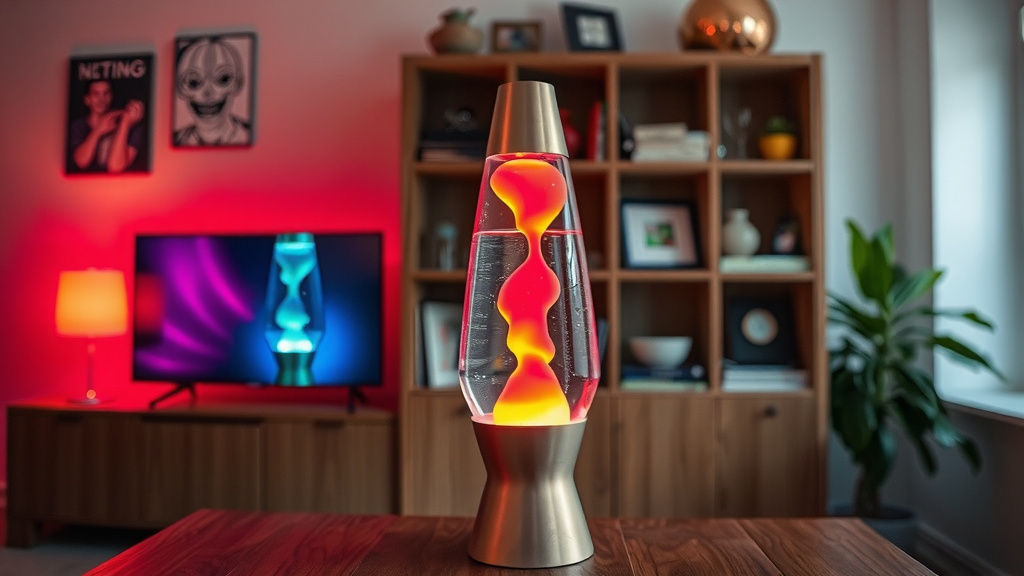
Common Issues and Quick Checks
Let’s summarize some of the most frequent problems and simple solutions you can try.
Checklist for a Happy Lava Lamp
- Ensure the lamp is on a flat, stable surface.
- Verify you’re using the correct wattage bulb.
- Allow at least 2-3 hours for initial heating.
- Keep the lamp away from drafts or sudden temperature changes.
- Avoid moving or shaking the lamp while it’s warming up or running.
- If cloudy, let it cool completely and sit undisturbed for several hours.
Conclusion
Getting your lava lamp flowing again is usually quite straightforward. We’ve learned that patience is your best friend here. Most non-working lamps just need adequate time to heat up, often 1 to 3 hours. Ensuring your lamp sits on a stable surface, away from drafts, and has the correct bulb wattage are also key factors we found. Don’t be tempted to move or shake it while it’s warming up. If you’ve tried these steps and your lamp still isn’t behaving, it might be time to consider a replacement.
Frequently Asked Questions
How long does a lava lamp typically take to heat up?
Most lava lamps require between 1 to 3 hours to reach their optimal operating temperature. New lamps or those stored for a while might need the longer end of this spectrum. Resist the urge to move it during this time; just let it warm up undisturbed.
Can I use any light bulb in my lava lamp?
No, it’s important to use the correct wattage bulb specified by the manufacturer, usually between 15-40 watts. Using a bulb that’s too weak won’t provide enough heat for the wax to flow, while one that’s too strong could damage your lamp.
Why is my lava lamp cloudy?
Cloudiness often occurs if the lamp is shaken or moved while warm, causing the wax and liquid to mix excessively. Overheating or exposure to direct sunlight can also contribute. Usually, letting the lamp cool completely and sit undisturbed for several hours will resolve minor cloudiness.
Is it okay to move my lava lamp while it’s on?
It’s best to avoid moving or shaking your lava lamp, especially while it’s warming up or in operation. Doing so can disrupt the wax flow and potentially cause cloudiness. Always place it on its final, stable surface before turning it on.
What room temperature is best for a lava lamp?
Lava lamps work best in a room temperature range of about 68-75°F (20-24°C). Extreme cold or hot environments, or sudden temperature fluctuations from drafts, can prevent the wax from flowing correctly.