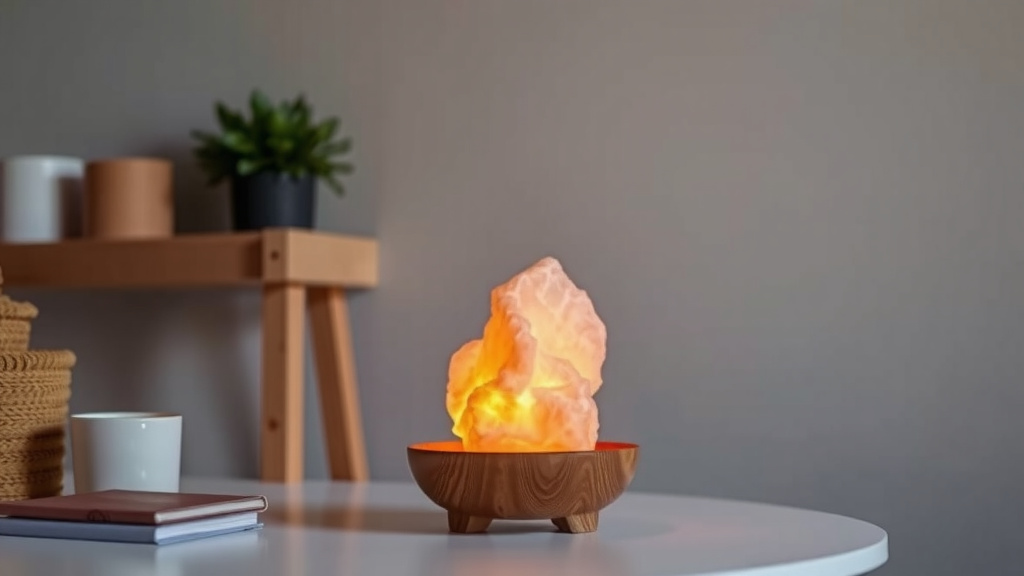
How to Properly Care for Your Salt Lamp
Taking care of your salt lamp is surprisingly simple. You just need to keep it dry and dust it regularly. A damp cloth can be used to wipe away dust, but make sure the lamp is unplugged and completely dry afterward to prevent any moisture damage. These lamps are sensitive to humidity, so avoiding steamy bathrooms is key.
Many owners wonder if salt lamps attract moisture. This is a common concern because they are hygroscopic, meaning they absorb water from the air. This is why keeping them in a dry environment is so important for their longevity and beautiful glow. Proper care ensures your lamp continues to be a lovely, glowing addition to your home.
- Keep your salt lamp dry to avoid moisture damage.
- Dust it gently with a dry or slightly damp cloth.
- Unplug the lamp before cleaning it.
- Avoid placing it in humid areas like bathrooms.
- A dimly lit, dry room is the perfect spot for your lamp.
Now that we’ve covered the basics, let’s walk through the best practices for keeping your Himalayan salt lamp looking its best and working efficiently.
Keeping Your Himalayan Salt Lamp Looking Its Best
So, you’ve got a gorgeous Himalayan salt lamp. That soft, ambient glow is lovely, isn’t it? But how do you ensure it stays that way and doesn’t turn into a salty puddle? We’re here to walk you through the simple steps to keep your lamp shining for years to come. It’s easier than you might think, and the payoff is a beautiful, healthy home accessory.
Understanding How Salt Lamps Work (and Why They Sweat)
Your salt lamp is a bit of a natural sponge. It’s hygroscopic, meaning it naturally attracts and absorbs moisture from the air around it. This is a normal function of Himalayan salt crystals.
Think of it like a warm hug for the humidity in your room. As the lamp heats up from its bulb, it evaporates this moisture, releasing it back into the air as cleaner, possibly ionized, air. This is why many people love them! As the lamp heats up, it evaporates this moisture, releasing it back into the air as cleaner, possibly ionized, air.
However, if the air is *too* humid, the lamp can absorb more water than the bulb can evaporate. This is when you might notice your lamp looking wet or even dripping. We need to manage that moisture to prevent issues.
The Importance of Placement
Where you place your lamp makes a big difference. Avoid areas with high humidity. Bathrooms and kitchens, especially near sinks or dishwashers, are a no-go zone. Steamy showers are the enemy of your salt lamp.
Also, steer clear of windows that might get condensation, or areas prone to rain or heavy dew if you’re placing it near an opening. A dry, stable environment is key for your lamp’s health.
Ideal Locations for Your Lamp
What are the best spots? A dry living room, a bedroom, or even an office space works wonderfully. Places where you have consistent, moderate humidity are perfect. You want a spot where the lamp can maintain its glow without getting overwhelmed by moisture.
Cleaning Your Salt Lamp: Gentle and Dry is Best
Dust happens, even to beautiful salt lamps. Cleaning them is usually quite simple. The most important rule? Always unplug your lamp before you clean it. Safety first, always!
Dusting for Daily Care
For everyday dust, a soft, dry cloth is your best friend. Gently wipe down the surface of the lamp. This removes dust and keeps the salt crystal structure exposed to the air, which helps with its hygroscopic function.
Think of it as a quick dusting of any other piece of decor you cherish. It takes just a minute or two and keeps your lamp looking pristine and radiant.
Dealing with Stickier Situations
What if there’s a bit more than just dust? Maybe a pet nudged it, or something sticky got on it. In these cases, you might need a slightly damp cloth. Use a cloth that is just barely moist, not wet.
Wipe the affected area gently. The key here is to use as little moisture as possible. After wiping, you must ensure the lamp is completely dry before plugging it back in. You can let it air dry or gently pat it with a dry cloth.
When Your Lamp Seems “Sweaty”
If you notice moisture on the surface, it means the lamp has absorbed more water than the bulb could evaporate. Don’t panic!
First, unplug the lamp. Then, take a dry cloth and wipe away all the visible moisture. You might need to do this a few times. After it’s dry, turn the lamp on. Letting it stay lit for a longer period, maybe 4-6 hours, can help it evaporate any residual moisture trapped within the salt.
Never Submerge or Spray
This is a big one. Never, ever submerge your salt lamp in water or spray it with any cleaning solutions. Salt and water don’t mix well when it comes to lamp maintenance. It can damage the lamp and its electrical components. Remember, it’s a salt crystal, not a disco ball you can wash.
The Importance of Keeping It Lit
One of the best ways to care for your salt lamp is to simply keep it on. When the bulb is lit, it generates heat. This gentle heat helps to evaporate moisture that the lamp absorbs from the air.
If you only turn your lamp on for short periods, or not at all, it can start to “sweat.” This is because the absorbed moisture has nowhere to go. Many experts suggest keeping your lamp plugged in and turned on as much as possible. Aim for at least a few hours a day.
What About Power Outages or Vacations?
If you have a power outage, or are going away for an extended period, your lamp will likely absorb moisture. As soon as power is restored or you return, unplug the lamp and dry it thoroughly with a soft cloth. Then, plug it back in and let it run for several hours to ensure it’s completely dry before leaving it unattended.
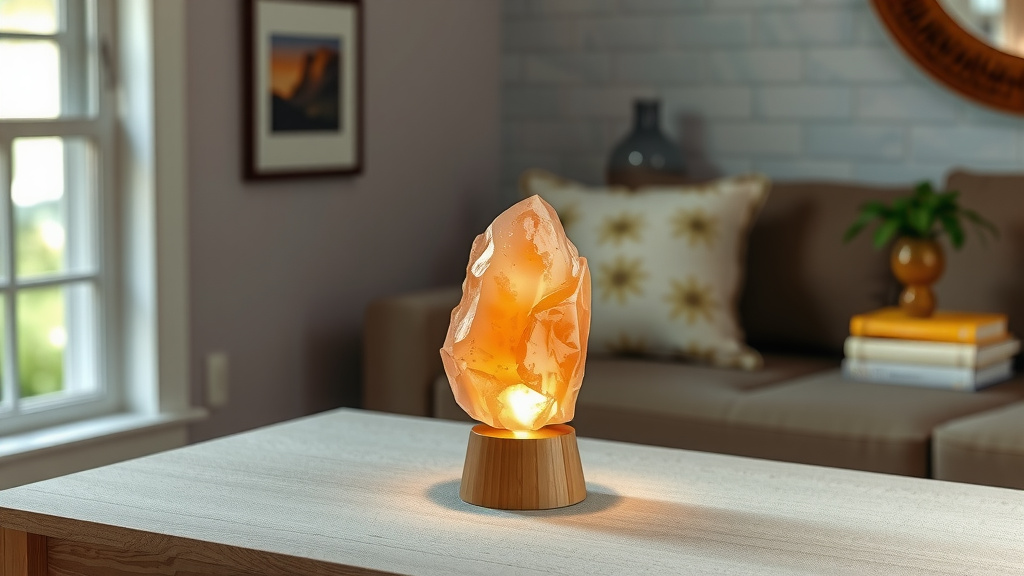
Troubleshooting Common Salt Lamp Issues
Most problems with salt lamps stem from moisture. Let’s look at a few and how to fix them.
The Lamp is Wet or Dripping
As we’ve discussed, this means it’s too humid where the lamp is. Unplug it, dry it completely with a cloth, and move it to a drier location. Ensure the bulb is on for adequate hours to evaporate absorbed moisture. A rule of thumb is that the bulb wattage should be appropriate for the size of the lamp; a bulb that’s too low in wattage won’t generate enough heat (Cleveland Clinic).
Salt is Flaking Off
Sometimes, you might notice small salt crystals flaking off. This can happen if the lamp has been exposed to excessive moisture and has undergone a drying and re-absorbing cycle. It’s usually not a serious problem. Just brush off the loose salt, dry the lamp, and ensure it stays in a drier environment with adequate light.
The Bulb Burns Out Quickly
If your bulb seems to be failing frequently, check the wattage. Using a bulb with a wattage that’s too high for the lamp can cause it to overheat and burn out prematurely. Conversely, a bulb that’s too low in wattage won’t generate enough heat to properly evaporate moisture, potentially leading to the “sweating” issues we’ve talked about.
Quick Salt Lamp Care Checklist
Here’s a quick rundown to keep your lamp in top shape:
- Always unplug before any cleaning.
- Dust regularly with a soft, dry cloth.
- Use a barely damp cloth for tougher spots, then dry thoroughly.
- Keep it lit for several hours daily to manage moisture.
- Avoid placing in high-humidity areas like bathrooms.
- If it feels wet, unplug, dry, and relight.
Choosing the Right Bulb for Your Lamp
The bulb in your salt lamp isn’t just for light; it’s also for heat. The right wattage is essential for proper function. A general guideline we found is that the bulb’s wattage should roughly match the lamp’s size.
For smaller lamps (under 5 lbs), a 15-watt bulb is often sufficient. Medium lamps (5-10 lbs) might need a 25-watt bulb. Larger lamps (over 10 lbs) may require a 40-watt bulb. Always check the manufacturer’s recommendations if available. Getting this right helps your lamp A rule of thumb is that the bulb wattage should be appropriate for the size of the lamp.stay dry and glow bright.
Conclusion
You’ve learned that caring for your salt lamp is all about managing moisture and giving it a little dusting. By keeping it in a dry spot, letting it glow regularly, and cleaning it gently, you ensure its beautiful light continues to shine. Remember, the key is a dry environment and consistent heat from the bulb. Apply these simple tips, and your salt lamp will remain a lovely, healthy addition to your home for years to come. Give your lamp a good dry wipe-down and ensure it’s plugged in for a few hours today.
Frequently Asked Questions
What happens if my salt lamp gets too wet?
If your salt lamp appears wet or is dripping, it means it has absorbed too much moisture from the air. Unplug it immediately and thoroughly dry the entire surface with a soft, dry cloth. Once completely dry, plug it back in and let it stay lit for several hours to help evaporate any remaining internal moisture.
Can I use a salt lamp in a humid bathroom?
No, it’s best to avoid placing your salt lamp in highly humid areas like bathrooms. These lamps are hygroscopic, meaning they attract moisture. A steamy bathroom environment will cause it to absorb excessive water, potentially leading to damage or a “sweaty” appearance.
How often should I dust my salt lamp?
You should dust your salt lamp regularly, just like any other decorative item. A quick dusting with a soft, dry cloth once a week or whenever you notice dust buildup is usually sufficient to keep it looking its best and functioning properly.
What type of light bulb is best for a salt lamp?
The best bulb for your salt lamp is one with the appropriate wattage to generate enough heat. A bulb that is too low in wattage won’t effectively evaporate absorbed moisture, while one that’s too high could overheat the lamp. Check the manufacturer’s recommendation or use a 15-watt bulb for smaller lamps and a 25-watt bulb for larger ones.
Can I clean my salt lamp with water?
You should never submerge your salt lamp in water or use excessive water for cleaning. While a very lightly damp cloth can be used for stubborn spots, you must ensure the lamp is completely dry afterward before plugging it back in. Salt and water don’t mix well for cleaning these lamps.


![10 Best Breastfeeding Lamp [2026]](https://bestdesklamp.com/wp-content/uploads/2026/08/10-best-breastfeeding-lamp-2026-featured-768x432.jpg)