How Long Does a Himalayan Salt Lamp Last?
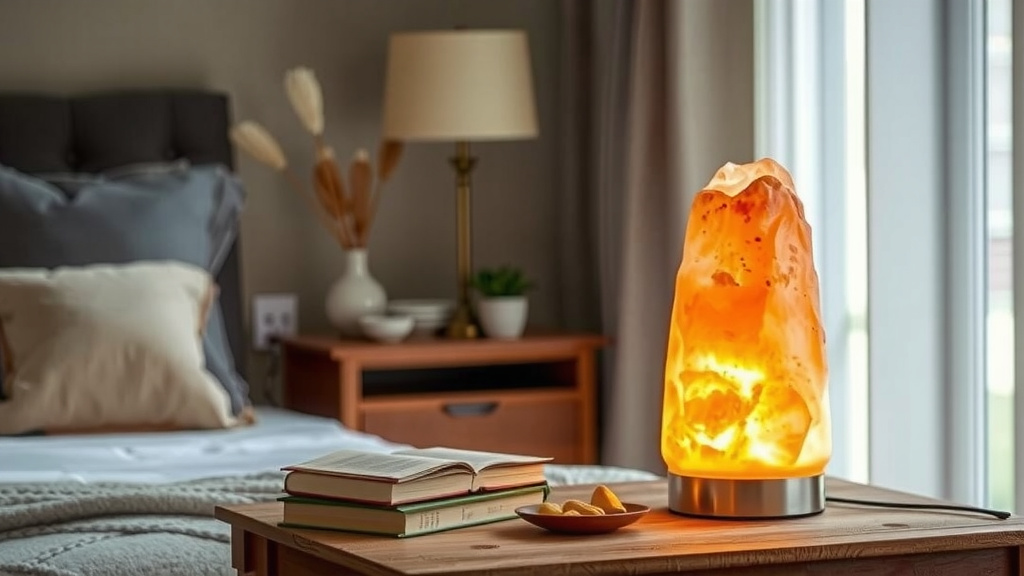
You can expect your Himalayan salt lamp to last for several years, often between 2-5 years, with proper care. Its lifespan mainly depends on how often you use it, its size, and the environmental conditions it’s kept in. The lamp’s glow might dim over time, but that doesn’t mean it’s completely gone.
Many factors contribute to its longevity. Think of it like any other decorative item in your home; consistent use and the right environment play a big role. Proper maintenance can definitely extend the life of your beautiful salt lamp.
- Himalayan salt lamps can last 2-5 years.
- Lifespan depends on usage and care.
- Humidity can affect how long they last.
- Regular dusting helps maintain them.
- Dimming light is normal, not a sign of death.
So, how long does that lovely pink glow truly last? Let’s break down what influences your salt lamp’s lifespan and how to keep it shining bright for as long as possible.
Understanding Your Himalayan Salt Lamp’s Lifespan
So, you’ve brought home a beautiful Himalayan salt lamp, and you’re wondering just how long that warm, soothing glow will last. It’s a fair question! Most people find their salt lamps remain a lovely part of their decor for quite some time. Generally, you can expect a well-cared-for lamp to last between 2 to 5 years.
Think of your salt lamp not as a disposable gadget, but as a natural work of art. Like a piece of furniture or a favorite plant, its longevity depends a lot on how you treat it and the environment it lives in. The good news? Its lifespan is often much longer than you might think!
Factors Affecting Lamp Longevity
Several elements play a role in determining how long your salt lamp will continue to shine. It’s not a one-size-fits-all answer, but understanding these factors can help you get the most out of your purchase.
Usage Frequency and Duration
How often you turn your lamp on makes a difference. Lamps that are left on for many hours each day will naturally see their bulb wear out sooner than those used only for a few hours in the evening. The bulb is typically the component that needs replacing first, not the salt crystal itself. We found that daily use can mean needing to replace the bulb every 6-12 months, depending on the bulb type.
Environmental Conditions: The Humidity Factor
This is a big one! Himalayan salt is hygroscopic. This means it naturally attracts and absorbs moisture from the air around it. In very humid environments, your salt lamp will absorb more water. This can lead to a phenomenon called “sweating” or “weeping,” where water droplets form on the surface and can even drip onto the base.
If left unaddressed, excessive moisture can actually begin to erode the salt over time. We found that areas with high humidity, like bathrooms or kitchens, can shorten the lamp’s effective life if it’s not properly maintained. Keeping your lamp in a drier part of your home is best.
Size and Density of the Salt Crystal
Larger, denser salt crystals tend to last longer. A bigger chunk of salt has more material to work with, so to speak. Smaller, more porous pieces might absorb moisture more quickly or be more susceptible to surface changes. You might notice that a larger lamp feels heavier and more solid, which often correlates with greater longevity.
Signs Your Lamp Needs Attention
Your salt lamp will give you clues when it needs a little TLC. You don’t need to be an expert to spot these signs. They are usually quite straightforward.
Dimming Light and Bulb Replacement
The most common indicator that something needs attention is a dimming light or the bulb simply going out. This is completely normal! Bulbs have a finite lifespan, just like any other light source. When this happens, you just need to replace the bulb. This doesn’t mean the salt crystal itself is damaged or has expired.
Surface Changes Due to Moisture
As mentioned, humidity can cause the salt surface to change. You might see a slightly wet or tacky feel. Sometimes, a fine, powdery residue can form on the surface. This is the salt absorbing moisture. Regular dusting and wiping can help manage this.
Cracking or Eroding Salt
In extreme cases of prolonged moisture exposure, you might notice the salt crystal starting to look like it’s “melting” or even developing small cracks. This is the salt breaking down due to absorbed water. If you see this, it’s a sign that the environment might be too humid for the lamp or that it hasn’t been properly dried.
Maximizing Your Himalayan Salt Lamp’s Lifespan
The great news is that you can take simple steps to ensure your salt lamp provides its beautiful ambiance for as long as possible. It’s all about mindful care and placement.
Proper Placement is Key
Where you put your lamp matters more than you might think. To avoid excessive moisture absorption, we recommend placing your lamp in a room with relatively low humidity. Avoid bathrooms, laundry rooms, or areas directly next to humidifiers or steaming kettles.
A living room, bedroom, or office space is often ideal. If you live in a very humid climate, you might need to be extra vigilant about the lamp’s care. Think of it like protecting a fine piece of art from the elements.
Regular Cleaning and Dusting
Dust can accumulate on any decorative item, and your salt lamp is no exception. A soft, dry cloth is usually all you need for regular dusting. If you notice any “sweating” or a slightly sticky surface due to humidity, gently wipe the lamp with a dry cloth. For more stubborn spots, you can use a slightly damp cloth, but make sure to dry it thoroughly afterward.
The “Drying” Technique
If your lamp appears to be sweating or has absorbed a bit too much moisture, don’t panic! You can help it dry out. Turn the lamp on for several hours. The heat from the bulb will help evaporate the moisture. You might even want to place it on a towel or absorbent mat during this process, just in case any water drips. Many experts suggest this is a vital step for lamps in humid areas (NCBI).
Bulb Replacement: A Normal Part of Lamp Life
Remember that the bulb is a consumable item. When the light flickers or goes out, it’s time for a new bulb. Most Himalayan salt lamps use standard incandescent or LED bulbs. Check your lamp’s specifications for the correct wattage and type. Replacing the bulb is a simple fix that keeps the lamp functional and glowing.
We found that using the recommended wattage is important. Too high a wattage could potentially overheat the salt, while too low might not provide enough warmth to help manage moisture. Always use the bulb type recommended by the manufacturer.
When to Consider Replacement
Typically, you’ll replace the bulb several times over the lamp’s life. The salt crystal itself can last for many years, often a decade or more if kept in ideal conditions and maintained properly. However, if the salt crystal starts to visibly erode, crack significantly, or crumble due to prolonged moisture damage, it may be time for a new one. This is rare with good care.
Checklist for Lamp Longevity
Want to keep your lamp shining bright? Follow this quick checklist:
- Place your lamp in a low-humidity environment.
- Dust it regularly with a dry, soft cloth.
- Wipe away moisture promptly with a dry cloth.
- Turn the lamp on for a few hours if it sweats.
- Replace the bulb when it burns out.
- Ensure proper wattage bulb is used.
Conclusion
You’ve learned that your Himalayan salt lamp can be a beautiful, long-lasting addition to your home, typically shining for 2 to 5 years with attentive care. The key to its longevity lies in understanding the factors that influence it, like humidity and usage, and taking simple steps to maintain it. By placing it in a dry environment, dusting regularly, and knowing when to replace the bulb, you ensure its warm glow continues to enhance your space.
Keep these simple care tips in mind, and you’ll enjoy your salt lamp’s ambiance for years to come!
Frequently Asked Questions
How do I know if my salt lamp is damaged and needs replacing?
If the salt crystal itself begins to noticeably erode, crumble, or crack significantly, it might be damaged, usually from prolonged exposure to moisture. Small surface changes due to humidity are common and often reversible, but extensive physical breakdown suggests it’s time for a new lamp.
Can I leave my salt lamp on all the time?
While you can leave your salt lamp on for extended periods, it’s not strictly necessary for its longevity. Research suggests that turning it on for several hours daily helps manage moisture and allows the bulb to function optimally. Constantly running it will wear out the bulb faster, but doesn’t harm the salt itself.
What happens if my salt lamp sweats a lot?
Excessive sweating means your lamp is absorbing too much moisture from the air. Turn the lamp on for several hours to help it dry out. If it continues to sweat heavily, consider moving it to a less humid location in your home or wiping it more frequently with a dry cloth.
How often should I dust my Himalayan salt lamp?
It’s best to dust your salt lamp regularly, perhaps once a week or whenever you notice dust accumulating. Use a soft, dry cloth to gently wipe the surface. This prevents dust from dulling its glow and helps you spot any signs of moisture buildup.
Do I need to replace the salt crystal itself?
Generally, no. The salt crystal is very durable and can last for many years, often longer than the lifespan of multiple bulbs. You typically only need to replace the salt crystal if it becomes severely eroded or physically damaged due to extreme or persistent moisture issues.
![10 Best Affordable Sad Lamps [2026]](https://bestdesklamp.com/wp-content/uploads/2026/09/10-best-affordable-sad-lamps-2026-featured-768x432.jpg)

![10 Way Table Lamps [2026]](https://bestdesklamp.com/wp-content/uploads/2026/09/10-way-table-lamps-2026-featured-768x432.jpg)