Clean Your Stained Glass Lamp Safely and Effectively
The easiest way to clean a stained glass lamp is with a gentle touch and the right materials. You can safely remove dust and grime using a soft cloth dampened with mild soap and water. Then, simply wipe it dry to restore its beautiful glow. Many lamps can be cleaned effectively without harsh chemicals.
Keeping your stained glass lamp looking its best involves regular dusting and occasional deeper cleaning. Over time, dust can build up, dulling the vibrant colors of the glass. Understanding the best methods protects both the glass and the lead soldering. You want to ensure it shines for years to come.
- Dust regularly with a soft cloth.
- Use mild soap and water for tougher grime.
- Avoid abrasive cleaners or tools.
- Dry thoroughly to prevent water spots.
- Test cleaning solutions on an inconspicuous area first.
Below, we’ll walk you through the simple steps to get your stained glass lamp sparkling again.
Caring for Your Stained Glass Lamp: A Gentle Approach
Learning how to clean a stained glass lamp is simpler than you might think. Your beautiful lamp, with its vibrant colors and detailed craftsmanship, deserves a gentle touch. We want to protect both the glass panes and the lead soldering that holds them together. Harsh chemicals or abrasive scrubbing can cause permanent damage. Instead, focus on mild methods that preserve its charm. Many experts recommend routine dusting as the first line of defense against buildup (Glass Art Society).
Essential Supplies for a Sparkling Lamp
Before you begin, gather a few key items. You won’t need much, and most of these are probably already in your home. Having everything ready makes the cleaning process smooth and efficient.
What You’ll Need
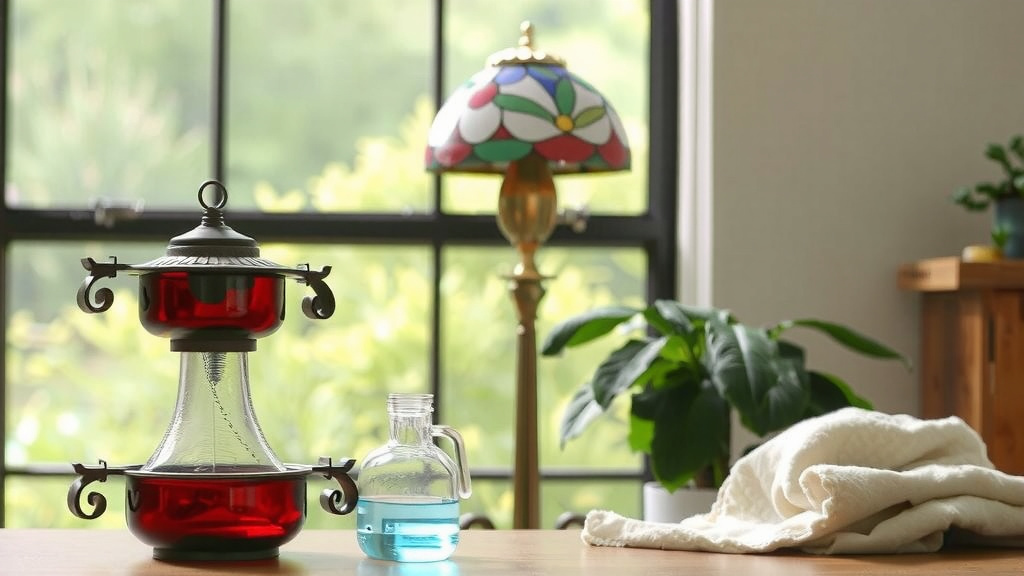
You’ll want a few soft, lint-free cloths. Microfiber cloths are excellent choices. They are non-abrasive and pick up dust effectively. You’ll also need a small bowl for your cleaning solution. A mild, pH-neutral dish soap is ideal. For tougher spots, a gentle glass cleaner can be useful, but always test it first.
Things to Avoid
It’s just as important to know what not to use. Avoid any cleaners that contain ammonia or alcohol, as these can damage the patina on the lead solder. Also, steer clear of abrasive pads, scouring powders, or rough brushes. These can scratch the glass, leaving unsightly marks.
Step-by-Step Cleaning Guide
Cleaning your stained glass lamp can be broken down into simple steps. Let’s walk through how to bring back its original brilliance without causing any harm.
Step 1: Dusting is Key
Start with dry dusting. Gently wipe down the entire lamp with a clean, dry microfiber cloth. Pay attention to all the glass panels and the metal framework. This removes loose dust and prevents it from becoming ingrained. For lamps with intricate designs or many small pieces, a soft brush, like a clean paintbrush, can help get into tight spots.
Step 2: Preparing Your Cleaning Solution
For general cleaning, mix a few drops of mild dish soap with a small amount of lukewarm water in your bowl. You want a very diluted solution. Too much soap can leave a residue. We found that just a tiny bit of soap is often enough to tackle everyday grime.
Step 3: Wiping Down the Glass
Dampen a soft cloth with your cleaning solution. Wring it out thoroughly so it’s just slightly damp, not wet. Gently wipe each glass panel. Work from top to bottom. Avoid letting any liquid drip down into the socket or electrical components. If you encounter a stubborn spot, you might need to gently rub it with the damp cloth.
Step 4: Rinsing (If Necessary)
If you used a bit more soap or have a sticky residue, you can use a second cloth dampened with plain water. Again, make sure the cloth is well wrung out. Lightly wipe the areas you cleaned to remove any soap residue. Most of the time, this rinsing step isn’t needed if you used a very mild soap solution.
Step 5: Drying Your Lamp
This is a very important step. Use a clean, dry microfiber cloth to thoroughly dry all the glass panels and the metal parts. Buff gently to prevent water spots and streaks. Ensuring the lamp is completely dry helps maintain the finish and prevents potential issues with the metal. Many restoration guides highlight the importance of thorough drying (National Trust).
Step 6: Cleaning the Base and Fixture
Don’t forget the base and any metal fixtures! Dust these areas first. If they have a build-up of grime, use your damp cloth with the mild soap solution. Wipe them clean and then dry them thoroughly. Be extra careful around any electrical parts. Never spray cleaners directly onto the lamp.
Special Considerations for Tough Stains and Patina
Sometimes, you might encounter dirt that’s harder to remove. Or, you might be worried about the patina on the lead solder. Here’s how to handle those situations with care.
Dealing with Stubborn Grime
For really tough spots, you could try a specialized stained glass cleaner. However, always test it first in an inconspicuous area, like the bottom edge of a panel. If it doesn’t cause discoloration or damage, you can use it sparingly. Sometimes, a gentle polish with a soft cloth after cleaning can help restore shine.
Protecting the Lead Solder (Patina)
The lead lines can develop a dark patina over time, which is a natural part of aging for many stained glass pieces. Harsh cleaners can strip this patina, leaving the lead shiny and looking unnatural. If you’re unsure, stick to just water and a very mild soap. Many conservators suggest that if the patina is intact and you like it, it’s best to leave it be and focus on cleaning the glass (International Stained Glass Association). If you’re concerned about the lead solder’s patina, this guide explains how to clean patina from an old floor lamp.
When to Call a Professional
If your lamp has significant damage, like cracked or loose panels, or if you’re dealing with very old or valuable pieces, it might be best to consult a professional restorer. They have the expertise and specialized tools to handle delicate repairs without causing further harm.
Your Quick Cleaning Checklist
Here’s a handy list to keep your lamp looking its best:
- Dust regularly with a soft, dry cloth.
- Use mild dish soap and lukewarm water for cleaning.
- Wring out cloths well to avoid excess moisture.
- Dry thoroughly with a clean cloth to prevent spots.
- Test any new cleaners on a hidden spot first.
- Avoid abrasive materials and harsh chemicals.
Conclusion
You now have the knowledge to keep your stained glass lamp looking its absolute best. Remember, a gentle approach is key. Regular dusting with a soft cloth, followed by occasional cleaning with a mild soap and water solution, will preserve its beauty. Always avoid harsh chemicals and abrasive tools to protect the delicate glass and lead solder. By following these simple steps, you ensure your lamp continues to cast its warm, colorful glow for years to come. Your next step is to grab a soft cloth and give your lamp a gentle dusting right now!
Frequently Asked Questions
Can I use Windex to clean my stained glass lamp?
We found that Windex and similar cleaners are generally not recommended for stained glass. They often contain ammonia or alcohol, which can damage the patina on the lead solder over time. A diluted solution of mild dish soap and water is a much safer choice for your lamp.
How often should I clean my stained glass lamp?
You should dust your stained glass lamp at least once a week with a dry, soft cloth. For a more thorough cleaning with soap and water, once every few months or whenever you notice visible grime buildup is usually sufficient. Always err on the side of caution and clean less often if you’re unsure.
What if the lead lines on my lamp are tarnished?
The dark lines are often a patina, which is a natural part of the aging process and desirable for many. Harsh cleaners can strip this patina. If you’re concerned, it’s best to focus on cleaning the glass gently and consult a professional if the lead seems to be deteriorating rather than just tarnished.
Is it safe to use a vacuum cleaner to dust my stained glass lamp?
Using a vacuum cleaner directly on a stained glass lamp is risky. The suction can be too strong, potentially dislodging small pieces or even causing cracks. A soft brush attachment on a very low setting might be used carefully for very tight spots, but a soft cloth is always the safest bet.
Can I remove a stained glass lamp shade to clean it?
For many lamps, the shade can be carefully removed. If yours can, this often makes cleaning easier. Gently lift the shade off the base. Clean it as described in the article, and ensure it’s completely dry before reattaching it to avoid any moisture affecting the electrical components.
![10 Best Candle Lamps [2026]](https://bestdesklamp.com/wp-content/uploads/2026/08/10-best-candle-lamps-2026-featured-768x432.jpg)