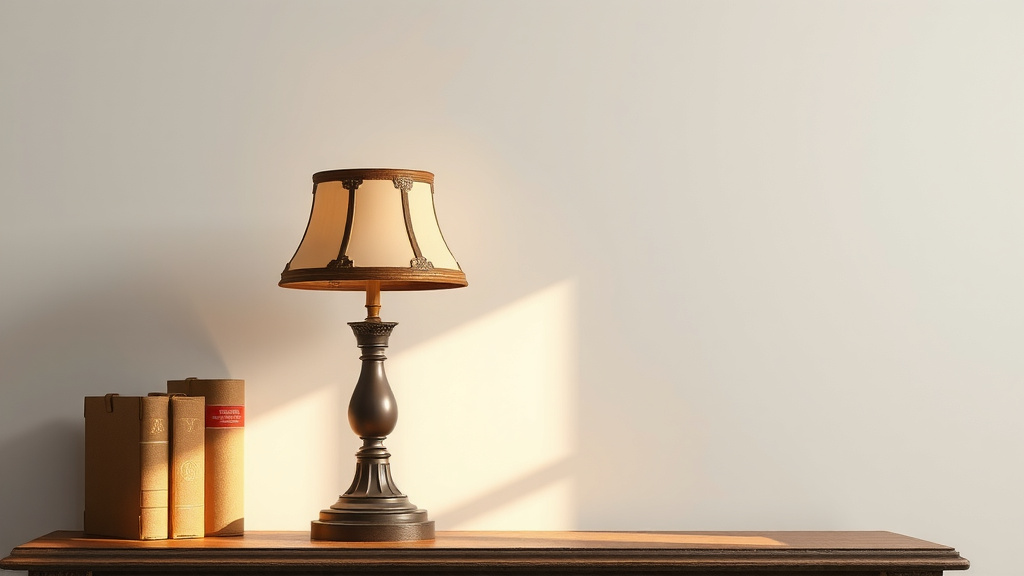
Is Your Antique Lamp Valuable? A Quick Guide
Figuring out if your antique lamp holds real worth can be exciting! Many factors determine an antique lamp’s value, including its age, maker, condition, and rarity. A truly antique lamp, especially from a renowned maker and in excellent shape, can be quite valuable. You might have a hidden gem in your home.
Several things can signal your lamp’s potential worth. Think about the materials used, like brass or unique glass. The original wiring and the overall design style also play a big role. Identifying the maker is often a key step for serious collectors.
- Age and maker are top indicators.
- Good condition greatly increases worth.
- Rarity and unique design matter a lot.
- Original parts can add significant value.
- Research is your best friend here.
Ready to become a lamp detective? Let’s walk through the signs that show your antique lamp might be worth more than you think.
Uncovering Your Antique Lamp’s True Worth
Wondering if that old lamp gathering dust in your attic is a hidden gem? You’ve come to the right place! Figuring out if your antique lamp is valuable involves looking closely at its history and features. Many factors contribute to an antique lamp’s worth. We’ll help you sort through the clues.
What Makes an Antique Lamp Desirable to Collectors?
Several key elements make antique lamps highly sought after. Collectors look for things that tell a story. This includes the lamp’s overall design and the quality of its materials. Rarity also plays a big part. A lamp that’s hard to find often commands a higher price. We found that understanding these basic principles is the first step.
The Importance of Age and Origin
When it comes to antiques, age often equals appeal. Lamps made before 1900 are generally considered antique. Lamps from the Victorian era or earlier are especially interesting. Knowing where your lamp came from is also vital. Was it made by a well-known artisan or company? Identifying the maker can significantly boost its value. We recommend looking for any maker’s marks or signatures.
Identifying the Maker: A Crucial Step
The name on the lamp can be a goldmine for collectors. Companies like Tiffany Studios, Handel, or Pairpoint are famous for their artistic lamps. These names are synonymous with quality and design. Even less famous but reputable makers can add value. Researching any markings you find is essential. Sometimes, the mark is subtle, like a small etched symbol or a stamped logo. We found that a thorough search for these marks often leads to surprising discoveries.
Where to Look for Maker’s Marks
You might need to do a bit of detective work. Look for these marks on the base of the lamp. Check the sockets, the underside of the shade’s metal frame, or any attached hardware. Sometimes, the mark is on the cord or plug, though these are often replaced. Even if you don’t find a direct maker’s name, a distinctive style can point to a particular workshop. We suggest using a magnifying glass for a closer look.
Materials Matter: What Your Lamp is Made Of
The materials used in crafting your lamp are a huge indicator of its quality and potential value. High-quality materials suggest superior craftsmanship. Think about what the lamp’s base is made from. Is it solid brass, bronze, or cast iron? These metals are often found in more valuable antique lamps. The shade material is just as important. Is it stained glass, hand-blown art glass, or fine silk?
The Allure of Stained and Art Glass
Lamps featuring stained glass or art glass shades are particularly desirable. Tiffany lamps are the most famous example, but many other makers produced stunning glasswork. Look for intricate patterns, vibrant colors, and unique designs. The quality of the glass itself, its texture, and how the light filters through it are all indicators. We found that the condition of the glass is key; cracked or missing pieces significantly reduce value.
Condition: Does It Still Shine?
The physical condition of your antique lamp is a major determinant of its worth. A lamp in pristine condition will always be more valuable. However, even lamps with minor flaws can still hold significant value. It’s important to be realistic about what constitutes good condition for an antique.
Assessing the Lamp’s Overall State
Start by checking for any major damage. Are there cracks in the base? Is the metal tarnished or corroded? How is the shade holding up? Are there any chips, cracks, or missing pieces in the glass? Even small issues like loose joints or wobbly parts can affect value. We suggest cleaning the lamp gently to reveal its true condition.
Original Parts: A Sign of Authenticity
Does your lamp still have its original wiring, switch, and finial (the decorative knob at the top of the shade)? Original components can significantly increase a lamp’s value. Collectors often prefer lamps that are as close to their original state as possible. Replacing original parts, especially wiring, is sometimes necessary for safety. However, keeping as many original elements as you can is generally beneficial.
What About Rewiring?
Antique lamps often have outdated or unsafe wiring. Rewiring is frequently recommended for safety and functionality. While this might detract slightly from absolute originality, it often makes the lamp usable and safer. If you have the original wiring saved, that’s ideal. If not, ensure the rewiring is done professionally and discreetly. Many experts agree that safe use is better than preserving potentially hazardous old wiring (National Fire Protection Association).
Rarity and Design: Uniqueness Counts
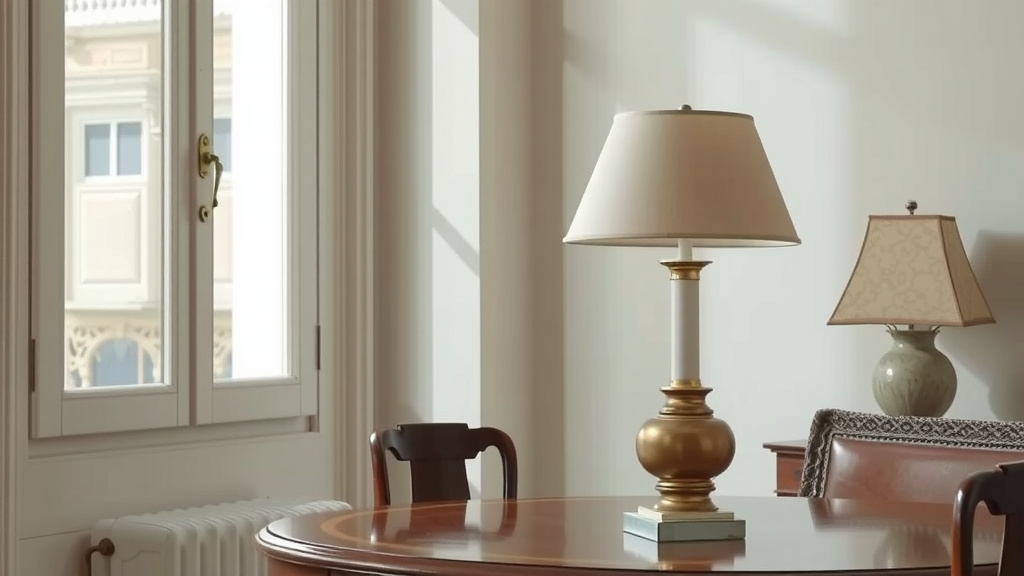
Beyond the maker and materials, the lamp’s design and how common it is play a role. Is it a standard design, or does it have unique artistic flair? Lamps with unusual shapes, motifs, or decorative elements are often more valuable. Rarity is a simple concept: the fewer of something that exist, the more sought after it can be. A lamp from a limited production run or one with a particularly distinctive design can be a real find.
Research and Professional Appraisal: Your Next Steps
Once you’ve gathered information about your lamp, it’s time to do some research. Look for similar lamps online or in antique reference books. Auction results can provide a good indication of market value. If you suspect your lamp is particularly valuable, consider a professional appraisal. An expert can accurately assess its authenticity, condition, and market worth.
Checklist for Assessing Your Lamp’s Value
Here’s a quick rundown to help you assess your lamp:
- Maker’s Mark: Look for any names or symbols.
- Materials: Note the metals, glass, and other components.
- Condition: Check for cracks, chips, tarnish, or missing parts.
- Originality: See if the wiring, socket, and finial are original.
- Design: Is the style unique, artistic, or common?
- Age: Try to determine its approximate date of creation.
Conclusion
You’ve learned how to spot a potentially valuable antique lamp. We saw that age, maker, materials, condition, and rarity all contribute to its worth. Always look for maker’s marks and assess the lamp’s physical state. Consider if original parts are present. Don’t forget that a unique design can also boost its appeal.
Your next step is to apply this knowledge. Gather your notes, examine your lamp closely, and start your research. If you believe you have a special piece, a professional appraisal is a great way to confirm its true market price. Happy lamp hunting!
Frequently Asked Questions
What if my antique lamp has been rewired? Does that decrease its value?
Rewiring is often necessary for safety. While collectors prefer originality, a professionally rewired lamp is safer and more usable. Keeping the original wiring safely stored can help preserve its history. We found that usability and safety are often prioritized.
How can I tell if stained glass on my lamp is original and not a replica?
Examine the glass for imperfections like slight variations in thickness or color. True antique stained glass often shows signs of handcrafting, like small bubbles or unique textures. Look for consistent craftsmanship across all pieces of the shade. We suggest comparing it to known examples if possible.
Is an old lamp with a common design still worth anything?
Lamps with common designs are generally less desirable to serious collectors. However, they can still hold some monetary worth. Their value often depends more on their condition and materials rather than unique design elements. We found that even common lamps can be appreciated for their age.
What should I do if I can’t find any maker’s marks on my lamp?
Don’t worry if you can’t find a specific maker’s mark. The lamp’s style, materials, and construction can still provide clues. Researching lamps from similar eras or with similar design aesthetics can help. Sometimes, a lamp is valuable simply for its beauty and craftsmanship.
How important is the original cord and plug to an antique lamp’s value?
Original cords and plugs can add to authenticity, but they often pose safety hazards. Collectors may prefer them, but usability and safety are more critical. If the original cord is frayed or damaged, it’s usually best to have it replaced by a professional. We found that safety often trumps strict originality.




![10 Best Affordable Table Lamps [2026]](https://bestdesklamp.com/wp-content/uploads/2026/09/10-best-affordable-table-lamps-2026-featured-768x432.jpg)