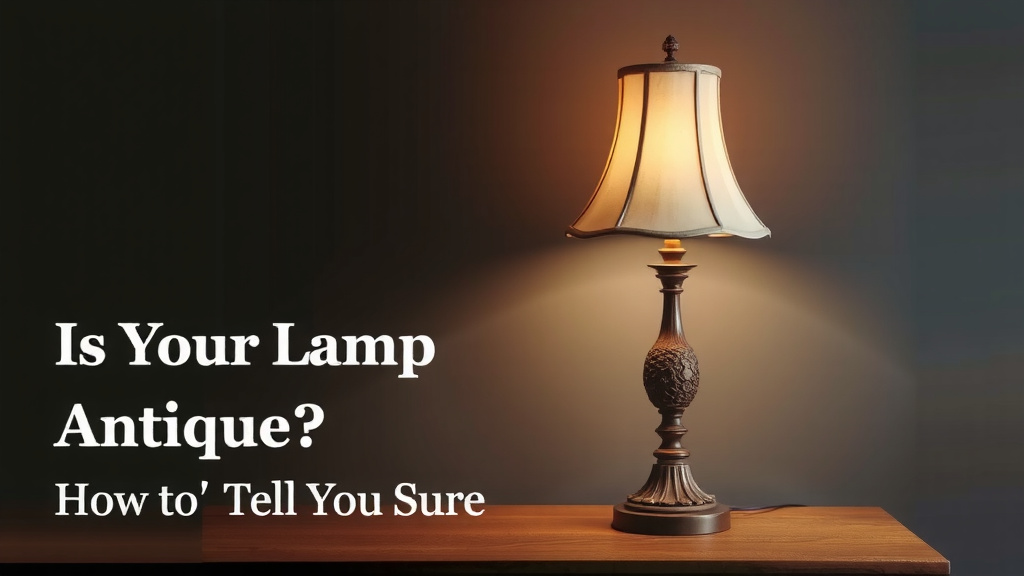
Is Your Lamp Antique? How to Tell for Sure
Figuring out if your lamp is an antique involves looking for signs like its style, materials, and any maker’s marks. Many lamps passed down through generations can be quite old. Authentic antiques often have distinct craftsmanship and wear that newer items lack. So, while there’s no single magic test, a combination of factors can help you determine its age and value.
You’ll want to examine the lamp closely for details like original wiring or pull chains. The type of metal used and any patina it has developed are also important clues. Many collectors look for specific design elements that place a lamp within a certain historical period. Sometimes, a hidden signature can tell you everything.
- Look for style and design clues.
- Check materials and construction methods.
- Search for maker’s marks or labels.
- Examine wear and patina for age.
Let’s walk through the common indicators that suggest your lamp might be more than just a lighting fixture, but a genuine piece of history.
Pinpointing Your Lamp’s Age: A Detective’s Guide
Wondering if that lamp in your attic or on your bedside table is a genuine antique? You’re not alone! Many lamps are passed down through families, and their age can be a real mystery. We’ve researched what experts look for when dating a lamp, and it boils down to a few key characteristics. By examining these, you can get a pretty good idea of your lamp’s history and whether it might be a valuable antique.
The Style Tells a Story: Design and Era Clues
The overall look of your lamp is one of the first things you should notice. Different historical periods had very distinct design preferences. Think about the shape, the ornamentation, and the general aesthetic. Does it look like something from a Victorian parlor, an Art Deco apartment, or a mid-century modern home?
Recognizing Period Styles
Certain design movements left their mark on lamps. For instance, Victorian lamps often feature elaborate details, heavy brass, and ornate shades. Art Nouveau lamps might show flowing, organic lines inspired by nature. The clean, geometric shapes of Art Deco lamps are also quite recognizable. Later, mid-century modern lamps tend to be simpler, with materials like teak and sculptural bases.
The Shade as a Time Capsule
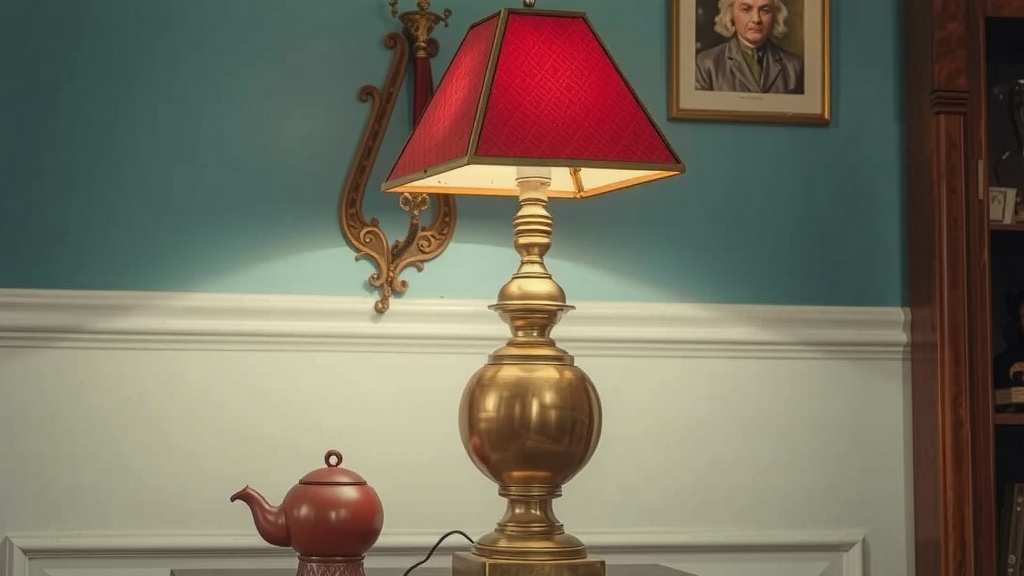
Don’t forget to examine the lampshade! Original shades are often a strong indicator of age. Washed-out silk, cracked glass, or hand-painted details can all point to an older piece. Newer lamps usually have more standardized, mass-produced shades. If your shade looks like it’s seen better days, that’s often a good sign it’s been around for a while.
Materials Matter: What Your Lamp is Made Of
The materials used in your lamp’s construction can reveal a lot about its origin. Older lamps were often made with heavier, more durable materials than modern ones. Examining the base, the stem, and any decorative elements will give you important clues.
Metals and Their Patina
Look at the metal components. Is it brass, bronze, copper, or iron? Solid, cast metals were common in older lamps. Newer lamps might use plated metals or lighter alloys. Over time, metals develop a natural patina – a surface discoloration or toning that comes with age and exposure. A deep, consistent patina can be a sign of a genuine antique, whereas a shiny, unblemished surface might indicate a newer reproduction.
Glass and Ceramic Elements
Many antique lamps feature glass or ceramic elements. Stained glass shades, hand-blown glass fonts, or porcelain bases were popular in earlier eras. Examine the quality of the glass; if it has imperfections like pontil marks (a rough spot where the glass was broken from the blowing pipe), it’s likely quite old. Similarly, hand-painted ceramics often have subtle variations that machine production can’t replicate.
Wood Finishes and Construction
If your lamp has wooden parts, consider how they are finished and joined. Hand-turned wooden bases or intricately carved details suggest older craftsmanship. Look for signs of age in the wood itself, like minor cracking or a deep, mellowed finish that comes from years of use and care.
Hidden Clues: Maker’s Marks and Labels
Sometimes, the most definitive proof of a lamp’s age and origin comes from a maker’s mark. These are like a signature from the manufacturer.
Where to Search for Marks
You’ll want to look in less obvious places. Check the bottom of the base, underneath any decorative elements, or inside the socket housing. Sometimes, a small tag or sticker might still be attached, though these can wear off over time. Keep your eyes peeled!
What to Look For in Marks
Maker’s marks can be stamped, engraved, or cast into the material. They might be a company name, a logo, or even a patent number. If you find a mark, do some online research! Identifying the manufacturer and the approximate date they used that particular mark can be a significant step in dating your lamp.
Signs of Wear and Originality
Genuine antiques often show subtle signs of age and use. These aren’t necessarily flaws, but rather indicators of a long life.
Original Wiring and Hardware
One of the most telling signs is the original wiring. If your lamp still has old cloth-covered wiring, it’s almost certainly an antique. However, for safety reasons, this old wiring usually needs to be replaced. Look at the pull chain or switch too. Are they original? Do they work smoothly, or do they feel stiff and worn?
Patina vs. Damage
It’s important to distinguish between a desirable patina and actual damage. A gentle softening of sharp edges, minor scratches, or a consistent tarnish are signs of age. Chipping, deep gouges, or missing pieces usually indicate damage rather than authentic wear. Experts look for a lamp that has been cared for, even as it aged.
A Quick Checklist for Your Lamp Detective Work
Ready to put your detective hat on? Here’s a quick rundown to guide your inspection:
- Style Check: Does the lamp’s design fit a known historical period?
- Material Deep Dive: What metals, glass, or ceramics are used? Do they look and feel old?
- Shade Scrutiny: Is the shade original? What condition is it in?
- Mark Hunter: Search thoroughly for any manufacturer’s marks or labels.
- Wear and Tear: Look for consistent patina and signs of gentle use.
- Wiring Whisper: Examine the wiring and hardware for signs of originality (but prioritize safety!).
Conclusion
You’ve now got a solid foundation for identifying antique lamps. By carefully examining your lamp’s style, materials, and any maker’s marks, you can piece together its history. Don’t forget to consider the subtle signs of wear and originality, like old wiring or a well-developed patina. These clues work together to tell the lamp’s story.
Your next step is to take a close look at your lamp using these tips. Armed with this knowledge, you’re ready to become your own lamp detective!
Frequently Asked Questions
How do I know if a lamp is a reproduction and not a real antique?
Reproductions often look too perfect, lacking the subtle wear and patina that age brings. They might use lighter or cheaper materials and lack original features like cloth-covered wiring. Checking for maker’s marks can also help; reproductions may have fake or generic marks.
Is old wiring a definitive sign that a lamp is an antique?
Old, cloth-covered wiring is a very strong indicator of an antique lamp, as it was standard before modern plastic wiring became common. However, it’s crucial to remember that old wiring is a fire hazard and should almost always be replaced by a qualified electrician for safety.
What does “patina” mean on an antique lamp, and is it always good?
Patina refers to the surface changes a material undergoes over time due to exposure and use, like the gentle darkening of brass or wood. A consistent, natural patina often signals age and care. However, deep damage or inconsistent discoloration might be considered detrimental rather than desirable.
If a lamp has a maker’s mark, does that automatically make it valuable?
A maker’s mark is a fantastic clue to a lamp’s age and origin, which can contribute to its value. However, the actual monetary worth depends on many factors, including the rarity of the mark, the lamp’s condition, its design, and current collector demand.
Can a very old lamp still be in great condition, or should I expect signs of wear?
It’s perfectly possible for a very old lamp to be in excellent condition if it was well-made and well-cared for over the years. While some gentle wear like minor scuffs or a softened finish can indicate age, a lamp that looks almost new might simply have been preserved or restored.
![10 Best Contemporary Swing Arm Wall Lamp [2026]](https://bestdesklamp.com/wp-content/uploads/2026/09/10-best-contemporary-swing-arm-wall-lamp-2026-featured-768x432.jpg)