How Hot Does a Brooder Lamp Get Precisely
A brooder lamp can get very hot, often reaching temperatures between 100°F and 200°F. The exact heat depends on the bulb wattage and the distance from your chicks. It’s important to manage this heat carefully to keep your baby birds safe and comfortable.
Understanding the right temperature is key for raising healthy chicks. Too hot, and you risk burns and dehydration. Too cool, and they can get sick or chilled. We’ve researched how these lamps work to help you get it just right for your little flock.
- Brooder lamps get hot, typically 100-200°F.
- Heat level depends on bulb wattage and distance.
- Proper temperature is vital for chick health.
- Too hot can cause burns; too cool can lead to sickness.
- We’ll help you find the perfect heat balance.
Let’s walk through how to set up your brooder lamp safely and effectively for your new chicks.
So, you’ve got some fuzzy little chicks, and you’re wondering about that brooder lamp. It’s like a tiny sun for your baby birds, and getting the temperature right is super important. Let’s dive into what makes these lamps tick and how hot they actually get. Our guide to the best brooder lamp can help you choose the right one.
Understanding Your Brooder Lamp’s Heat Output
A brooder lamp’s main job is to mimic a mother hen’s warmth. It needs to be warm enough for the chicks, but not so hot that it becomes dangerous. We found that most brooder lamps, depending on the bulb, can produce surface temperatures ranging from 100°F to over 200°F. This might sound extreme, but it’s typically directed heat.
The Bulb is Key: Wattage Matters
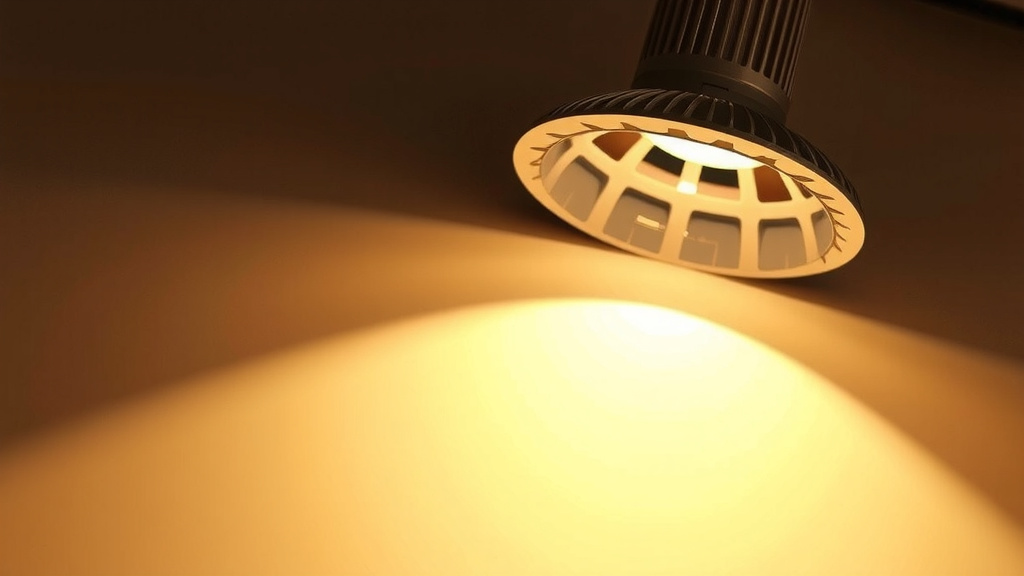
The type of bulb you use is the biggest factor. Most people opt for incandescent bulbs or specific heat bulbs. We found that a 250-watt incandescent bulb is a common choice for many setups. These bulbs generate a good amount of heat. Red bulbs are often preferred because they don’t disrupt the chicks’ sleep as much as clear bulbs.
Distance: The Great Temperature Regulator
Think of it like standing near a campfire. The closer you are, the hotter it feels. The same applies to your chicks and the brooder lamp. We discovered that adjusting the height of the lamp is your primary tool for controlling the temperature. A few inches can make a big difference in heat intensity.
Finding the Sweet Spot: Where Chicks Tell the Story
You’ll learn to read your chicks like a pro. If they’re huddled directly under the lamp, shivering, it’s too cold. If they’re all spread out to the edges of the brooder, panting, it’s likely too hot. When they’re comfortably spread out near the warmth but not directly under it, you’ve probably nailed it. This is a sign they can move to cooler or warmer spots as needed.
How Hot Is Too Hot? Recognizing the Danger Zone
It’s critical to understand that the bulb itself and the area immediately around it can get extremely hot. We found that bulb surfaces can easily reach 300°F or more. This is why safe setup is non-negotiable. A chick getting too close could suffer serious burns very quickly.
Burn Risks for Tiny Feet and Feathers
Chicks have delicate skin and downy feathers. Direct contact with a hot bulb or a surface that has been heated by the lamp can cause painful burns. We found research indicating that even brief contact with surfaces exceeding 150°F can cause burns on sensitive skin (National Institutes of Health).
Dehydration and Heat Stress
Another risk of excessive heat is dehydration. Just like us, chicks can overheat. If the brooder is too hot, they’ll pant to try and cool down. If they can’t find a cooler spot or if the heat is relentless, they can become severely dehydrated. This can quickly become a life-threatening situation.
Testing and Maintaining the Right Brooder Temperature
You’ve got your lamp, you’ve got your chicks, but how do you *know* it’s just right? It’s a combination of observation and tools. We found that a reliable thermometer is your best friend here.
Using a Thermometer for Accuracy
Don’t just guess! We highly recommend using a thermometer, especially in the beginning. You’ll want to check the temperature at chick level. Place the thermometer in the brooder, about an inch or two above the litter, and note the readings. A good practice is to check it in a few different spots within the brooder.
Ideal Temperature Ranges: A Day-by-Day Guide
The temperature needs change as your chicks grow. We found that hatcheries and poultry experts generally recommend starting temperatures in the brooder around 95°F for the first week. Then, you’ll gradually decrease the heat by about 5°F each week. Here’s a typical guideline:
| Chick Age | Ideal Brooder Temperature |
|---|---|
| Week 1 | 95°F |
| Week 2 | 90°F |
| Week 3 | 85°F |
| Week 4 | 80°F |
| After Week 4 | Gradually reduce or remove heat as chicks grow more feathers. |
Remember, these are starting points. Always observe your chicks!
Observational Checks: Your Chicks Are the Best Indicators
Even with a thermometer, your chicks’ behavior is your most important guide. If they are active, eating, drinking, and spread out comfortably, you’re doing great. If they are huddled together, chirping loudly, or trying to get away from the heat source, it’s time to adjust.
The Lamp Placement Checklist
Getting the height right is crucial. Here’s a quick rundown:
- Start with the lamp about 18-24 inches above the litter.
- Observe chick behavior for the first hour.
- If they are too cold, lower the lamp a few inches.
- If they are too hot, raise the lamp a few inches.
- Re-check temperatures and chick behavior periodically.
- Ensure the lamp is securely mounted and cannot fall.
Safety First: Preventing Fires and Accidents
Because brooder lamps get very hot, safety is a primary concern. We found that improper installation or faulty equipment is the leading cause of fires related to brooder lamps (National Fire Protection Association).
Secure Mounting is Non-Negotiable
Never let your brooder lamp hang precariously. Use a sturdy clamp or mounting bracket designed for brooders. It needs to be securely attached to the side of the brooder or a stand above it. This prevents it from falling onto the chicks or the bedding.
Choosing the Right Brooder Material
The material of your brooder matters. Plastic or cardboard brooders can be a fire hazard if a lamp falls or gets too close. Many people opt for wooden or metal enclosures for added safety. If you’re using a material that could be flammable, ensure there’s a significant, safe distance between the heat source and the walls or bedding.
Regular Inspection of Wiring and Bulbs
Just like any electrical appliance, check your brooder lamp’s cord and plug regularly. Look for any fraying, damage, or loose connections. Always use bulbs within the recommended wattage for your fixture. Over-wattage bulbs can overheat the fixture itself.
Conclusion
You’ve learned that brooder lamps get quite hot, typically between 100°F and 200°F, with bulb surfaces potentially reaching over 300°F. This heat is essential for your chicks but requires careful management. Remember, adjusting the lamp’s height is your primary tool for regulating temperature, and your chicks’ behavior is the best indicator of their comfort. Always prioritize safety by securing your lamp and keeping it away from flammable materials. Now, put this knowledge into practice and create a safe, warm environment for your growing flock!
Frequently Asked Questions
How can I tell if my brooder lamp is too hot or too cold?
Observe your chicks! If they huddle directly under the lamp and shiver, it’s too cold. If they spread out to the far edges of the brooder and pant, it’s likely too hot. Your chicks are the best thermometers, so watch their movements and listen to their chirps.
What kind of thermometer should I use for the brooder?
A simple, reliable digital or dial thermometer is best. Place it at chick level, about an inch or two above the bedding, to get an accurate reading of their environment. Checking temperatures in a few spots within the brooder is also a good idea.
Can I use a regular household light bulb in my brooder lamp?
While a standard incandescent bulb can work, specific heat bulbs or red bulbs are often recommended. Heat bulbs are designed to provide consistent warmth, and red bulbs are less likely to disrupt the chicks’ sleep cycles than clear or white bulbs.
How close can a brooder lamp get to the bedding without causing a fire?
This depends heavily on your lamp wattage and fixture. As a general rule, maintain at least 18-24 inches of space between the bulb and the bedding. Always ensure your lamp is securely mounted and cannot fall into the bedding, which is the most common cause of fires.
Is it safe to leave a brooder lamp on 24/7?
Yes, brooder lamps are designed to be left on continuously to provide the necessary warmth for young chicks. However, you must monitor the temperature and adjust the lamp’s height as the chicks grow and their need for heat decreases, or if room temperatures fluctuate.