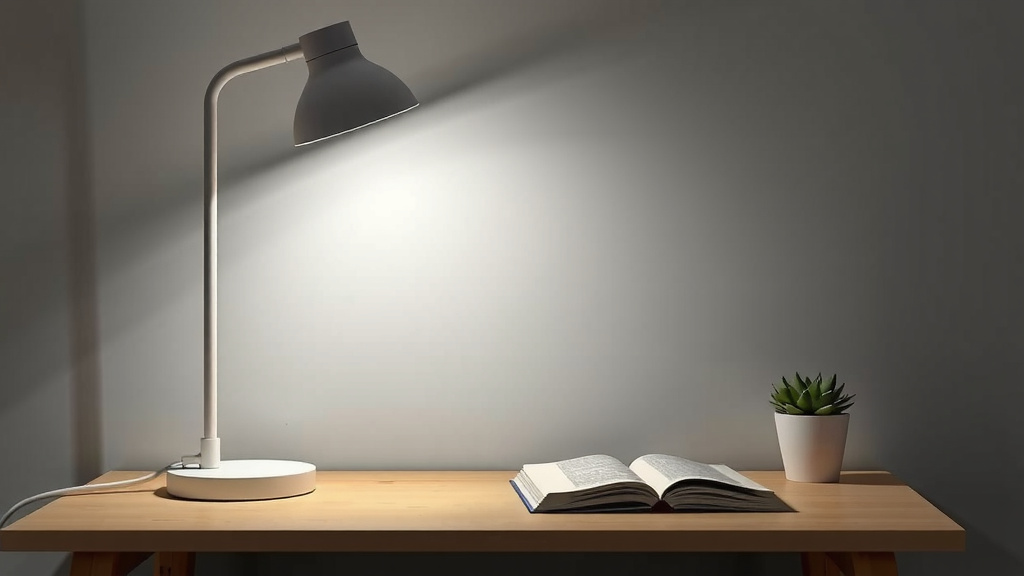
How Many Lumens Does a Desk Lamp Need
For most tasks, a desk lamp needs between 450 and 700 lumens. This brightness range offers good task lighting without being harsh. You want enough light to see clearly. Too little light strains your eyes. Too much light can be uncomfortable.
Choosing the right lumen count depends on what you’ll use your desk for. Reading fine print might need more light. General computer work might need a bit less. We found that personal preference also plays a big role. It’s about finding your perfect lighting sweet spot.
- Most desks need 450-700 lumens.
- More lumens means brighter light.
- Consider your main desk activities.
- Eye strain is common with dim lights.
- Personal preference matters for comfort.
Let’s walk through how to pick the right lumen level for your desk lamp. We’ll help you find that just-right glow.
Finding the Right Brightness for Your Desk Lamp
So, how bright does your desk lamp actually need to be? We’ve found that the sweet spot for most people falls between 450 and 700 lumens. This range provides enough light for focused tasks without causing glare or eye strain. Think of it like Goldilocks – not too dim, not too bright, but just right for comfortable work or hobbies.
But why lumens? Lumens measure the total amount of visible light a bulb emits. More lumens mean a brighter light. This is different from wattage, which measures energy consumption. For desk lamps, we’re talking about the actual light output you can see and use.
How Your Desk Activities Influence Lumen Needs
Your primary use for the desk is the biggest factor. What do you spend most of your time doing at your desk? This question will guide you to the perfect lumen count.
For Detailed Tasks and Reading
If your work involves a lot of fine detail, like reading small print, intricate crafting, or reviewing documents, you’ll want a brighter light. We recommend aiming for the higher end of the spectrum, around 600 to 700 lumens. This extra brightness helps make small text and details pop, reducing eye fatigue.
Imagine trying to thread a needle in dim light. It’s frustrating, right? A brighter desk lamp offers that extra definition. It’s like upgrading from a fuzzy TV to a high-definition screen. Details become clearer and easier to focus on.
For General Computer Work and Writing
If your desk is mainly for typing, general computer use, or writing, you might not need the absolute brightest light. A range of 450 to 600 lumens is often sufficient. This level provides good visibility without creating harsh reflections on your screen.
Too much light bouncing off your monitor can be distracting and tiring. We found that many people prefer a slightly softer glow for prolonged screen time. It helps create a more relaxed and productive environment.
For Creative Hobbies and Arts & Crafts
Activities like painting, drawing, or model building often require accurate color rendering and good visibility. For these, a mid-to-high range of lumens, around 500 to 700 lumens, is a good target. Some lamps also offer adjustable color temperatures, which can be just as important as brightness for creative work.
Color rendering index (CRI) is a measure of how accurately a light source reveals the colors of objects. While not directly related to lumens, a high CRI is often found in lamps suitable for creative tasks. It ensures the colors you’re working with look true to life.
Understanding Light Intensity and Placement
Lumens are just one piece of the puzzle. How the light is directed also matters. A lamp with a focused beam will appear brighter in one spot than a lamp with a wider spread, even if they have the same lumen output.
Direct vs. Ambient Light
Your desk lamp typically provides direct, focused light. This is different from ambient light, which fills the whole room. For task lighting, you want that concentrated beam directly on your workspace. This ensures the light is where you need it most.
If your room is very dark, and you’re only using a desk lamp, you might need slightly more lumens to compensate. However, we generally advise against relying solely on a desk lamp for room illumination. Good overall room lighting can reduce contrast and make task lighting feel more comfortable.
The Role of Shade and Fixture Design
The design of your desk lamp’s shade and fixture plays a big role. A frosted shade diffuses light, making it softer and less direct. A clear or open design will direct light more intensely. Think about how you want the light to be presented.
Some lamps have adjustable arms and heads. This flexibility is key. You can angle the light precisely where you need it, adjusting for shadows cast by your hands or other objects. This adjustability can make a 500-lumen lamp feel as effective as a less adjustable 700-lumen one.
Adjustable Lamps: Your Secret Weapon
What if you do a bit of everything? Or what if your needs change throughout the day? This is where adjustable desk lamps shine.
Dimmer Controls and Brightness Settings
Many modern desk lamps come with built-in dimmer controls or multiple brightness settings. These are fantastic! They allow you to dial in the perfect amount of light for any given task or mood. You might need 700 lumens for detailed work but only 400 lumens for casual browsing. For ultimate control, consider adjustable desk lamps that allow you to fine-tune brightness.
We found that lamps with a wide range of dimming capabilities are especially helpful. They can go from a soft, ambient glow to a bright, focused beam. This versatility means you can use the same lamp for everything from late-night reading to detailed crafting.
Color Temperature Adjustments
Beyond brightness, some lamps also let you adjust the color temperature. This refers to whether the light appears “cooler” (bluish, like daylight) or “warmer” (yellowish, like an incandescent bulb). A cooler light is often better for focus and alertness during the day, while a warmer light can be more relaxing in the evening.
If you work at odd hours or want a lamp that adapts to your circadian rhythm, look for adjustable color temperature features. Many experts suggest cooler light for daytime tasks to boost concentration (National Sleep Foundation). Warmer light is ideal for winding down.
Common Lighting Issues and Solutions
It’s easy to get it wrong. But once you understand a few key points, you can avoid common pitfalls.
Dealing with Eye Strain and Glare
The most common complaint with poor desk lighting is eye strain. This happens when your eyes have to work too hard to see. It can be caused by light that’s too dim, too bright, or has too much glare.
Glare often comes from light sources directly reflecting off your screen or work surface. Positioning your lamp so it doesn’t shine directly into your eyes or onto your screen is key. Using a lampshade that diffuses light also helps. Aim for soft, indirect lighting when possible.
When Is “Too Bright” Actually a Problem?
While more lumens mean brighter light, too much of a good thing can be bad. Overly bright lights can wash out details, cause discomfort, and even lead to headaches. Your eyes are designed to adapt, but forcing them to constantly adjust to extreme brightness levels is tiring.
If you find yourself squinting, seeing halos around objects, or feeling generally uncomfortable, your lamp might be too bright. If it has a dimmer, turn it down. If not, consider repositioning it or looking for a lamp with a lower maximum lumen output.
Quick Checklist for Your Perfect Desk Lamp Lumens
Ready to find your ideal lumen count? Keep these points in mind:
- Assess Your Main Task: Are you reading, typing, crafting, or a mix?
- Consider Your Environment: Is your room very bright or quite dim?
- Aim for 450-700 Lumens: This is the general sweet spot.
- Prioritize Adjustability: Dimmers and color temperature controls offer the most flexibility.
- Watch for Glare: Proper placement and diffusion are crucial for comfort.
- Trust Your Eyes: If it feels uncomfortable, it probably is. Adjust as needed!
Conclusion
Finding the right lumen count for your desk lamp is all about balancing brightness with comfort. We’ve learned that the sweet spot generally falls between 450 and 700 lumens for most tasks. Remember to consider your specific activities, from detailed reading to general computer work. Don’t forget that lamp placement, shade design, and adjustable features can all impact your lighting experience. Your eyes will thank you for choosing a lamp that feels just right.
Now that you know the basics, take a moment to assess your desk setup. Consider which lumen range best suits your daily needs, and you’ll be well on your way to a more comfortable and productive workspace.
Frequently Asked Questions
What’s the difference between lumens and wattage for a desk lamp?
Lumens measure the brightness of the light a bulb emits, telling you how much light you’ll actually see. Wattage measures how much energy the bulb consumes. For desk lamps, you want to focus on lumens to ensure you have adequate brightness for your tasks.
Can a desk lamp with too many lumens be bad?
Yes, a lamp that’s too bright can cause discomfort, eye strain, and even headaches. It can also wash out details and create glare. If your lamp feels uncomfortably bright, try dimming it or repositioning it to avoid direct glare.
Do I need more lumens if my room is very dark?
While a brighter lamp can help in a dark room, it’s generally better to have some ambient lighting in the room as well. Relying solely on a very bright desk lamp can create harsh contrasts. Aim for a balanced lighting environment for better eye comfort.
Are adjustable desk lamps worth the extra cost?
Adjustable desk lamps, especially those with dimmers and color temperature controls, offer great flexibility. They allow you to customize the light for different tasks and times of day. We found this versatility makes them a worthwhile investment for many users.
How do I prevent glare on my computer screen from my desk lamp?
To prevent glare, position your desk lamp so it shines on your work area, not directly onto your screen. Using a lamp with a diffused shade can also help soften the light. Experiment with angling the lamp head to find the best position.


![10 Best 3d Moon Lamp [2026]](https://bestdesklamp.com/wp-content/uploads/2026/09/10-best-3d-moon-lamp-2026-featured-768x432.jpg)
![10 Best Deals On Floor Lamps [2026]](https://bestdesklamp.com/wp-content/uploads/2026/09/10-best-deals-on-floor-lamps-2026-featured-768x432.jpg)
![10 Best Cheap Nail Lamp [2026]](https://bestdesklamp.com/wp-content/uploads/2026/08/10-best-cheap-nail-lamp-2026-featured-768x432.jpg)