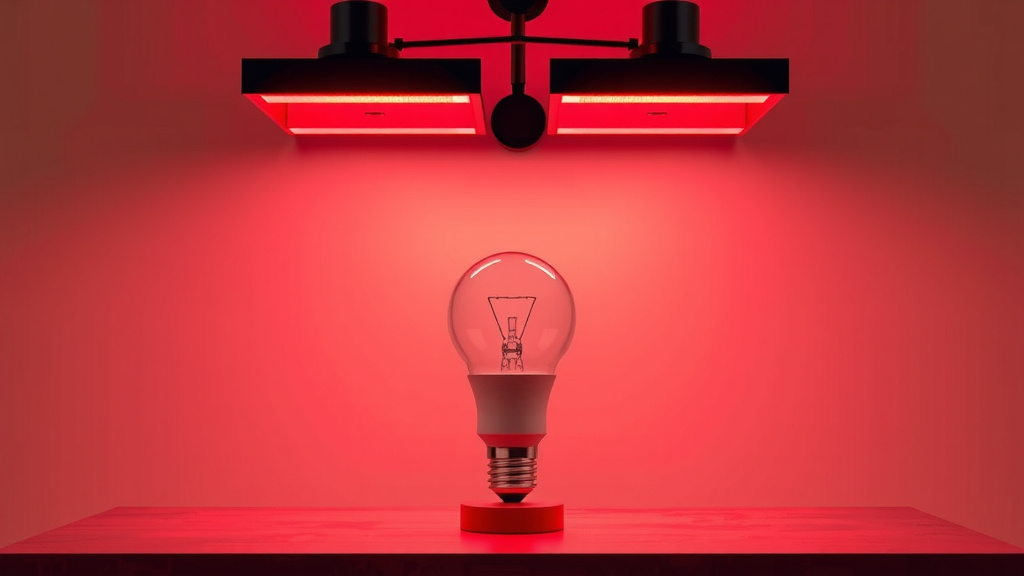
How Infrared Lamps Work: The Science Explained
Infrared lamps work by using special bulbs that produce infrared radiation, which is a type of light we can’t see but can feel as heat. When this radiation hits your skin, your body absorbs it, causing the molecules to vibrate faster and generating gentle, penetrating warmth. It’s like the sun’s heat, but focused and without the UV rays.
This heating effect is why infrared lamps are used for more than just comfort. Research shows this radiant heat can help relax muscles and may even assist in improving blood circulation in the targeted areas. Think of it as a cozy, targeted heating pad that works through light energy.
- Infrared lamps create heat using infrared radiation.
- This radiation is absorbed by your skin.
- It makes molecules vibrate, producing warmth.
- This can help relax muscles and improve circulation.
We’ve found that understanding how these lamps work can really help you get the most out of them. Let’s break down the science behind that comforting heat.
Understanding How Infrared Lamps Generate Heat
So, you’re curious about that warm, cozy feeling you get from an infrared lamp. It’s not magic, but it is pretty neat science! These lamps work by emitting infrared radiation, which is essentially invisible light. Think of it as heat energy traveling in waves, much like the warmth you feel from the sun on a cool day, but without the harmful UV rays.
The Electromagnetic Spectrum Explained Simply
Light comes in many forms, and they’re all part of the electromagnetic spectrum. Some light we can see, like the colors of a rainbow. Other types, like radio waves or X-rays, we can’t. Infrared light falls right in the middle. It’s just beyond the red light we can see, and its primary characteristic is that it generates heat when absorbed by objects.
How the Lamp Itself Works
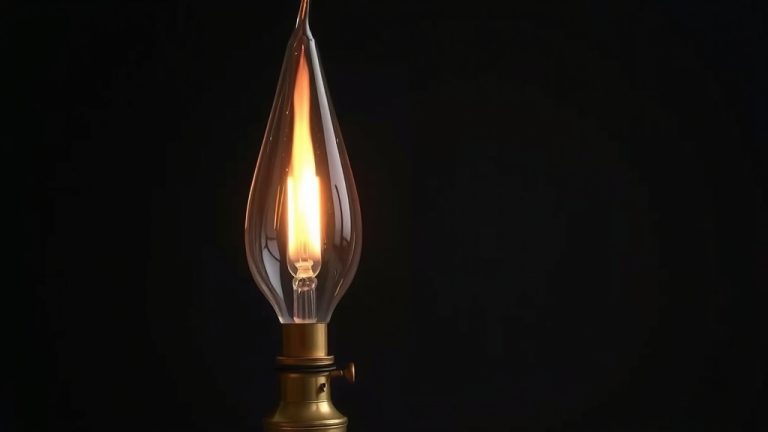
Inside an infrared lamp is a special type of bulb. These bulbs are designed to heat up to a high temperature. As they get hot, they emit infrared radiation. The hotter the bulb gets, the more infrared waves it sends out. You can imagine it like a mini-sun, but one that’s carefully controlled and focused.
Different Types of Infrared Bulbs
There are a few main types of infrared bulbs you might find. The most common are halogen lamps, which are similar to the bulbs in your car headlights but designed for heat. You also have filament lamps, which use a wire filament that glows hot, and ceramic emitters, which get hot and radiate infrared heat without producing any visible light.
The Physics of Feeling the Warmth
When those infrared waves leave the lamp, they travel through the air until they hit something – in this case, you! Your skin, and the tissues beneath it, are really good at absorbing this infrared radiation. It’s this absorption that causes the molecules within your skin and muscles to vibrate faster.
Molecular Vibration and Heat Generation
Think of the molecules in your body like tiny dancers. When the infrared waves hit them, it’s like giving them a little nudge, making them jiggle and move more energetically. This increased movement is what your body perceives as heat. It’s a direct conversion of light energy into thermal energy right where you feel it.
Penetrating Heat for Deeper Comfort
One of the key benefits is how deeply this heat can penetrate. Unlike a simple heating pad that warms the surface, infrared radiation can reach a few millimeters below the skin’s surface. This deeper warmth is what many people find so soothing for sore muscles or stiff joints.
Comparison: Infrared vs. Convection Heat
It’s helpful to compare this to how other heaters work. A regular space heater uses convection, which warms the air around you. You feel that warm air circulating. Infrared heat, however, is radiant. It directly warms objects and people in its path, much like how you feel the sun’s warmth even on a breezy day. Research indicates this direct heating can be more efficient for targeted warmth (NIH).
The Science Behind the Soothing Effects
Beyond just feeling good, research suggests infrared heat can have tangible benefits for your body. The gentle warmth isn’t just surface-level; it can interact with your body’s systems in interesting ways. Many studies have looked into how this radiant energy can help with muscle relaxation and improve circulation.
Muscle Relaxation and Pain Relief
When your muscles are tense or sore, they can feel tight and uncomfortable. The penetrating warmth from an infrared lamp helps to increase blood flow to the area. This improved circulation delivers more oxygen and nutrients to your tissues, which can help them relax and recover. It’s like giving your muscles a gentle hug from the inside out.
What the Research Suggests
Scientific literature points to infrared therapy as a method that can help reduce muscle soreness and improve flexibility. For instance, studies have observed that individuals using infrared therapy experienced a reduction in delayed onset muscle soreness (DOMS) after exercise (NCBI). This suggests it’s more than just a feeling; there’s a physiological response happening.
Boosting Circulation
The heat generated by infrared lamps causes blood vessels to widen, a process called vasodilation. This widening allows blood to flow more easily and efficiently through your body. Improved blood flow means your organs and tissues get the oxygen and nutrients they need more effectively.
The Importance of Good Circulation
Good circulation is vital for overall health. It helps remove waste products from your body and keeps everything functioning smoothly. While an infrared lamp isn’t a cure-all, it can be a pleasant way to encourage better circulation in a specific area you’re focusing on.
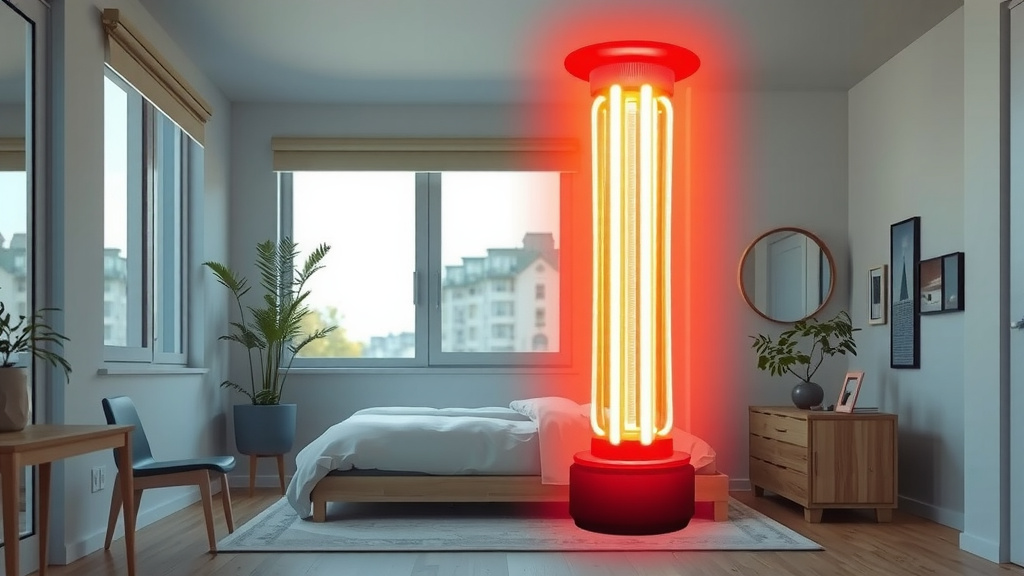
Getting the Most Out of Your Infrared Lamp
Now that you understand how these lamps work, you can use them more effectively! It’s all about positioning and duration. Here’s a quick checklist we’ve found helpful:
- Position the lamp at the correct distance – not too close!
- Limit your sessions to the recommended time.
- Stay hydrated before and after use.
- Listen to your body; if it feels too hot, move further away.
- Ensure the lamp is stable and won’t tip over.
Conclusion
You now understand that infrared lamps harness invisible infrared radiation to create gentle, penetrating heat. This radiant warmth works by making your body’s molecules vibrate faster, leading to muscle relaxation and improved circulation. We’ve found that knowing this science helps you use your lamp safely and effectively.
Next time you use your infrared lamp, remember the direct connection between light energy and your body’s comfort. Try incorporating it into your self-care routine for targeted relief and warmth. Pay attention to how your body responds and adjust as needed for the best experience.
Frequently Asked Questions
Can infrared lamps be harmful?
Infrared lamps are generally safe when used correctly. They emit heat without harmful UV rays. It’s important to follow recommended usage times and distances to avoid overheating or skin irritation. Always listen to your body and move away if it feels too intense.
How is infrared heat different from a regular heater?
Regular heaters typically use convection to warm the air around you. Infrared lamps, on the other hand, use radiant heat. This means they directly warm objects and your body in their path, much like the sun warms you. This targeted warmth can be more efficient for specific areas.
Do I need to be a certain distance from the lamp?
Yes, maintaining the correct distance is important for safe and effective use. Being too close can cause discomfort or overheating, while being too far might reduce the warming effect. We found that most manufacturers recommend a distance of about 12-24 inches, but always check your lamp’s specific instructions.
Can infrared lamps help with back pain?
Many people find infrared heat helpful for soothing muscle tension and stiffness associated with back pain. The penetrating warmth can increase blood flow to the area, which may aid in muscle relaxation and provide temporary relief. It’s always a good idea to consult with a healthcare professional for persistent pain.
How long should I use an infrared lamp in one session?
Session duration typically ranges from 10 to 30 minutes, depending on the lamp’s intensity and your personal comfort level. We recommend starting with shorter sessions and gradually increasing the time if you feel comfortable. It’s wise to avoid overdoing it to prevent any potential discomfort.
![10 Best Arc Floor Lamps For Living Room [2026]](https://bestdesklamp.com/wp-content/uploads/2026/09/10-best-arc-floor-lamps-for-living-room-2026-featured-768x432.jpg)
![10 Best Buy Projector Lamps [2026]](https://bestdesklamp.com/wp-content/uploads/2026/08/10-best-buy-projector-lamps-2026-featured-768x432.jpg)