Heat Lamp vs Heat Pad: Which Is Better?
When deciding between a heat lamp and a heat pad, consider your specific needs. For targeted, adjustable heat, a heat lamp is often the better choice, offering a wider range and easier temperature control. Heat pads are generally safer for direct contact, but offer less directional warmth. We found that for most situations requiring consistent, broad heating, the lamp wins.
Both heat lamps and heat pads serve to provide warmth. You might use them for pets, plants, or even personal comfort. Understanding their differences helps you make the right choice for optimal results. Many people also wonder about their energy use and safety features. We looked into these common concerns.
- Heat lamps provide wider, adjustable heat.
- Heat pads offer safer, more direct warmth.
- Lamps are great for covering larger areas.
- Pads are better for localized heating.
- Consider your specific heating goal.
Let’s break down the pros and cons of each to help you decide. We’ll look at how they work, where they shine, and any potential drawbacks.
Heat Lamp vs. Heat Pad: Deciding Your Best Warming Solution
Choosing between a heat lamp and a heat pad can feel like a big decision. Both provide warmth, but they do it in very different ways. Your ideal choice depends entirely on what you need to heat and how you need to heat it.
Understanding How Heat Lamps Work
Heat lamps are essentially light bulbs that produce heat. They come in various forms, like ceramic heat emitters or infrared bulbs. These lamps typically screw into a fixture or socket. They then radiate heat outwards. Think of them like a mini sun for a specific area.
The Advantages of Using a Heat Lamp
One of the biggest benefits of a heat lamp is its adjustable heat output. Many lamps allow you to change the wattage or use a dimmer to control the temperature. This makes them very versatile. You can easily fine-tune the warmth to your exact needs.
Heat lamps also excel at covering a wider area with heat. The radiant heat spreads out, warming a larger space than a pad might. This is great if you need to warm up a whole enclosure or a significant portion of a room. We found this broad coverage to be a major plus for larger setups.
Their directional nature is another plus. You can position a heat lamp to focus its warmth precisely where it’s needed most. This targeted approach is very effective. It ensures the heat isn’t wasted on areas that don’t require it.
Potential Downsides of Heat Lamps
However, heat lamps can present safety concerns. Because they get very hot, there’s always a risk of burns. This is especially true if a person or animal comes into direct contact with the bulb or fixture. It’s why many users opt for protective cages or guards around the lamp.
Another consideration is their energy consumption. High-wattage heat lamps can use a fair amount of electricity. If you plan to use one for extended periods, it could impact your energy bill. We found that for constant, high-level heating, energy use was a common concern.
Placement is also key. You need a way to mount or position the lamp safely. This might involve special fixtures or stands. Improper placement could lead to overheating or fire hazards. Many experts recommend keeping them a safe distance from flammable materials (National Fire Protection Association).
Exploring the Benefits of Heat Pads
Heat pads, also known as under-tank heaters or heating mats, offer a different approach to warmth. They are typically flat, flexible mats or pads. You usually place them underneath an enclosure or directly on a surface.
When a Heat Pad Shines Brightest
Heat pads are generally considered safer for direct contact. Because they are designed to sit beneath a surface, the heat is more diffused. This reduces the risk of burns. Many pet owners prefer them for this reason. They provide consistent warmth without a direct, intense heat source.
They are excellent for providing localized and consistent warmth. If you need to warm a specific spot, like a pet’s favorite resting area or the bottom of a terrarium, a heat pad is ideal. It creates a warm zone without heating the entire space unnecessarily.
Heat pads also tend to be more energy-efficient than many heat lamps. They use less power to generate their heat. This can make them a more economical choice for long-term use. We found their lower energy draw to be a significant advantage in many scenarios.
Limitations of Heat Pads
The primary limitation of a heat pad is its less directional warmth. The heat spreads outwards from the pad. It doesn’t provide the intense, focused beam that a lamp does. This means it might not be suitable if you need to heat a large volume of air or a very specific point from above.
Temperature control can also be a bit trickier with some heat pads. Many come with built-in thermostats, but they may not offer the fine-tuning capabilities of a dimmer for a lamp. Adjusting the heat often involves adding or removing substrate layers. This can be less precise.
Placement is also critical. Heat pads are typically placed on the *outside* of an enclosure. Placing them inside can be dangerous and lead to burns or damage to the pad itself. Always follow manufacturer instructions for proper installation (U.S. Food & Drug Administration).
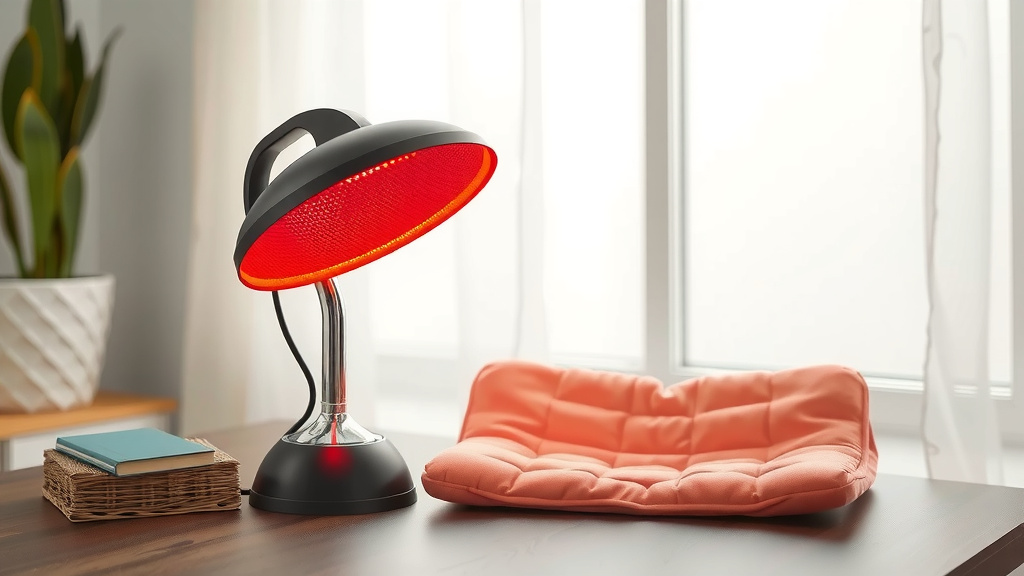
Comparing Key Features: A Quick Look
To make your decision easier, let’s look at a side-by-side comparison of their features.
| Feature | Heat Lamp | Heat Pad |
|---|---|---|
| Heat Distribution | Radiant, directional, wider coverage | Conducted, localized, less directional |
| Temperature Control | Generally very adjustable (dimmers, wattage) | Can be less precise, often relies on substrate |
| Safety (Direct Contact) | Higher risk, requires guards | Lower risk, designed for indirect warmth |
| Energy Use | Can be higher, especially high wattage | Generally lower, more efficient |
| Best For | Warming large areas, specific spots from above, air temperature | Warming surfaces, consistent floor warmth, pet enclosures |
Which One Is Right For You?
So, which one should you choose? It truly depends on your objective. If you need to raise the ambient air temperature in an enclosure or warm a broader space from above, a heat lamp is likely your best bet. Think about providing warmth for reptiles that need to bask or heating a seedling tray from above.
If your goal is to provide a warm spot on a surface, like for a pet to lie on or to keep something from getting too cold on the floor, a heat pad is usually the superior option. Many small animal owners use them to create a comfortable heat gradient in their habitats.
Your Personal Heating Checklist
To help you solidify your choice, ask yourself these quick questions:
- Do I need to heat the air or the surface?
- How large an area do I need to warm?
- Is direct contact with the heat source a concern?
- How important is precise temperature control for my needs?
- What is my budget for initial purchase and ongoing energy use?
- What safety features are most critical for my situation?
By considering these points, you’ll be well on your way to selecting the heat source that fits your needs perfectly. Remember, the goal is effective and safe warmth!
Conclusion
Deciding between a heat lamp and a heat pad comes down to your specific needs. Heat lamps excel at spreading warmth over larger areas or creating basking spots from above, offering adjustable heat but requiring careful placement. Heat pads are your go-to for consistent, direct surface warmth and are generally safer for contact, though they provide less directional heat. After reviewing their features and applications, we found that lamps offer more versatile, adjustable heating, while pads provide safer, localized warmth. Your best choice hinges on whether you need to heat the air or a surface. Think about your primary goal and safety concerns to make the right choice for your setup.
Frequently Asked Questions
Can a heat pad be used as a primary heat source for a reptile?
For many reptiles, a heat pad can be a good secondary heat source or primary if it creates the correct temperature gradient. It’s best used to warm a portion of the enclosure’s floor. You might still need a heat lamp to raise the ambient air temperature or provide a basking spot.
How do I know if my heat lamp is too hot?
We found that using a reliable thermometer is key. Place it at the level where your pet or plant will be. If temperatures consistently exceed the ideal range for your specific needs, you should adjust the lamp’s wattage or distance. Always monitor closely.
Are heat pads safe for use with small animals like hamsters?
Yes, heat pads are often considered safer for small animals because they provide indirect warmth. Always place the pad under the enclosure, not inside, to prevent direct contact and burns. Ensure the pad doesn’t cover the entire bottom to allow for a cool side.
Can I use a heat lamp without a thermostat?
While you can use some heat lamps without a thermostat, it’s not ideal for precise temperature control. We recommend using a thermostat, especially with heat lamps, to prevent overheating and maintain a stable environment. This is vital for safety.
Which option is more energy-efficient for continuous use?
Generally, heat pads are more energy-efficient for continuous use. They use less wattage to maintain a consistent temperature. Heat lamps, especially those with higher wattages, can consume more electricity, making pads a more economical choice for long-term, steady warmth.
![10 Best Deals On Floor Lamps [2026]](https://bestdesklamp.com/wp-content/uploads/2026/09/10-best-deals-on-floor-lamps-2026-featured-768x432.jpg)

![10 Best Adjustable Floor Lamp [2026]](https://bestdesklamp.com/wp-content/uploads/2026/09/10-best-adjustable-floor-lamp-2026-featured-768x432.jpg)