Aladdin Lamp Oil vs Kerosene: What Should You Use?
If you’ve ever stood in front of a shelf of lamp fuels, staring at bottles labeled “Aladdin lamp oil” and “kerosene,” you’ve probably wondered what the actual difference is. Are they the same thing? Can you swap them out without consequences? Let me be honest—I’ve been there too, and the answers might surprise you.
The truth is, while these two fuels might seem interchangeable at first glance, they’re far from identical. Understanding the distinctions between them can mean the difference between a beautifully glowing lamp and one that produces excessive smoke, odor, or even damage to your precious lighting fixture.
What Exactly is Aladdin Lamp Oil?
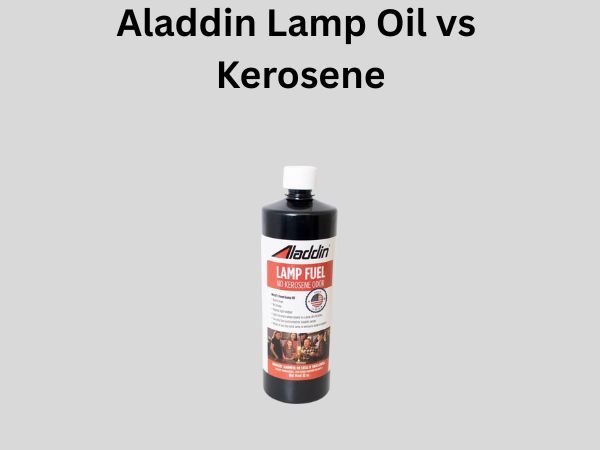
Aladdin lamp oil is a specially refined, high-quality fuel designed specifically for use in Aladdin lamps and other wick-based lighting systems. Think of it as the premium, tailored suit of lamp fuels—it’s made with particular specifications to meet the exacting standards of these elegant fixtures.
The brand itself has been around for over a century, and they’ve perfected the formula through decades of experience. Aladdin lamp oil is ultra-refined, which means it’s been processed to remove impurities that would otherwise compromise your lamp’s performance.
The Refinement Process
Aladdin lamp oil goes through a meticulous distillation and purification process. This isn’t just casual filtering—it’s a sophisticated operation designed to produce a fuel with minimal particulates and contaminants. The result is a cleaner-burning fuel that produces less smoke and odor than standard alternatives.
When you pour Aladdin lamp oil into your lamp, you’re investing in consistency. Every batch meets the same stringent quality standards, which means your lamp will perform reliably night after night.
Why It Costs More
You’ll notice Aladdin lamp oil typically costs more than regular kerosene. This price difference isn’t arbitrary. You’re paying for that superior refinement, quality control, and the assurance that your lamp will burn efficiently without leaving residue buildup on your wick or burner.
Understanding Kerosene: The Basics
Kerosene, on the other hand, is a more general-purpose fuel. It’s been used for centuries—long before electricity became commonplace. People used kerosene lamps to light their homes, heat their spaces, and power their industries.
Standard kerosene is a petroleum distillate, but it’s less refined than specialty lamp oils. Think of it as the workhorse fuel—it gets the job done, but it wasn’t engineered specifically for your decorative lamp.
Kerosene Grades and Variations
Kerosene comes in different grades, which can vary depending on where you purchase it and what region you’re in. Some kerosene is sold for heating purposes, others for lamps, and some for industrial applications. This variation means you can’t always be certain what you’re getting when you buy a jug at the local hardware store.
- 1-K Kerosene: Lower sulfur content, cleaner burning
- 2-K Kerosene: Higher sulfur content, more economical
- Lamp-grade Kerosene: Mid-range option, somewhat refined
The grade matters because it directly affects how your lamp performs.
Chemical Composition: Where They Differ
Here’s where things get genuinely interesting. Both Aladdin lamp oil and kerosene are petroleum-derived products, but their chemical makeup differs in important ways.
Sulfur Content
One of the primary differences lies in sulfur content. Kerosene, especially lower grades, can contain significant amounts of sulfur. When sulfur burns, it creates sulfur dioxide, which produces that distinctive unpleasant odor you might associate with old-fashioned lamps.
Aladdin lamp oil is specifically refined to minimize sulfur content. This is why your room won’t develop that harsh kerosene smell when burning Aladdin oil.
Viscosity and Flash Point
Aladdin lamp oil has been formulated with a specific viscosity that works optimally with the wick mechanisms in Aladdin lamps. The flash point—the temperature at which the fuel can ignite—is also carefully controlled.
Kerosene’s flash point is typically around 100-150 degrees Fahrenheit, while premium lamp oils have their own specifications. These details might sound technical, but they fundamentally affect how safely and effectively your lamp operates.
Additives and Detergents
Modern Aladdin lamp oil often contains additives designed to improve performance and reduce residue buildup. These aren’t harmful—they’re engineered to keep your lamp running smoothly. Standard kerosene may or may not contain such additives, depending on its intended use.
Burn Quality and Performance
Let’s talk about what actually happens when you light your lamp. This is where the rubber meets the road, so to speak.
Flame Characteristics
When you use Aladdin lamp oil, you’ll notice a cleaner, more consistent flame. The light will appear brighter and more stable. There’s less flickering, less sputtering, and the overall illumination is more pleasant to the eye.
With regular kerosene, especially lower grades, you might experience more flame instability. The flame could appear yellowish or smoky, and you might notice it dancing around more than you’d prefer.
Wick Performance
Your lamp’s wick is crucial to its performance, and your choice of fuel directly impacts wick longevity. Aladdin lamp oil burns so cleanly that it minimizes carbon buildup on the wick, meaning your wick lasts longer and performs better.
Kerosene, particularly lower-grade varieties, leaves more residue. This buildup can make your wick less effective over time and may eventually require more frequent replacement or cleaning.
Light Output
When you’re reading by lamplight or trying to navigate a room, light output matters. Aladdin lamp oil typically produces a brighter, whiter light compared to kerosene, which might appear more yellowish or orange-tinted. For practical lighting purposes, this distinction is meaningful.
Odor and Emissions Comparison
Let’s address the elephant in the room—the smell. This is often what drives people’s decisions about which fuel to use.
The Kerosene Smell
Kerosene has a distinct smell that many people find unpleasant. It’s not dangerous at normal usage levels, but it can be overpowering in enclosed spaces. If you light a kerosene lamp in your bedroom, you might find yourself wishing you’d made a different choice.
This odor comes primarily from the sulfur compounds in the fuel. The lower the fuel quality, the more pronounced this smell becomes. It’s not just unpleasant—it can linger in your curtains, furniture, and clothing.
Aladdin Lamp Oil’s Advantage
Aladdin lamp oil produces minimal odor during normal use. You won’t walk into a room lit by an Aladdin lamp and immediately smell fuel. This is one of the biggest practical advantages for anyone using lamps indoors regularly.
The reduced odor isn’t just about comfort—it’s also a sign that the fuel is burning more completely and efficiently. Less odor typically means fewer volatile organic compounds being released into your air.
Smoke Emissions
Both fuels produce some smoke when burned, but the amount differs. Aladdin lamp oil produces noticeably less smoke, which means less residue on your lamp’s glass chimney and less overall air pollution in your space.
With kerosene, especially in poorly maintained lamps, you might see visible smoke, particularly if the wick isn’t trimmed properly or if the lamp needs cleaning.
Cost Considerations
Money matters, and I understand that cost is often a deciding factor when choosing between products.
Initial Purchase Price
Aladdin lamp oil is typically more expensive per gallon than standard kerosene. You might pay 50% to 100% more for premium lamp oil compared to regular kerosene. A gallon of kerosene might cost around eight to ten dollars, while Aladdin lamp oil could run fifteen to twenty dollars or more.
At face value, this seems like a significant difference. But let’s dig deeper into what that price really means.
Long-Term Value Analysis
Here’s what many people don’t consider: the total cost of ownership. While Aladdin lamp oil costs more upfront, it delivers several financial advantages:
- Your wicks last longer, meaning fewer replacements
- Your lamp requires less frequent cleaning and maintenance
- The fuel burns more efficiently, lasting longer
- You avoid damage to your lamp that poor-quality fuel might cause
When you calculate these factors, the actual cost difference becomes much smaller. You might find that premium lamp oil costs only slightly more per hour of use than cheaper alternatives.
Budget-Conscious Approach
If budget is extremely tight, you can use quality kerosene as a temporary solution. But for lamps you plan to use regularly—especially valuable antique or decorative lamps—the investment in Aladdin oil makes financial sense.
Safety Profile of Each Fuel
Safety should always be your primary concern when dealing with flammable liquids.
Flash Point and Fire Risk
Both Aladdin lamp oil and kerosene are highly flammable, so neither is inherently “safer” in that respect. However, Aladdin lamp oil’s tightly controlled specifications mean you can rely on consistent safety performance.
Lower-grade kerosene might have a lower flash point, making it slightly more volatile. The difference is usually small, but in safety matters, small matters.
Toxicity Considerations
Both products are toxic if ingested, and they can cause skin irritation with prolonged contact. Neither should be handled carelessly. However, Aladdin lamp oil’s refined nature means it’s less likely to contain heavy metals or other particularly toxic compounds that might be present in lower-grade kerosene.
If you have children or pets, your lamp handling practices matter more than which fuel you choose—but choosing premium fuel is still a wise decision.
Ventilation Requirements
Burning any hydrocarbon fuel indoors consumes oxygen and produces carbon dioxide and water vapor. Adequate ventilation is crucial regardless of which fuel you use. However, Aladdin lamp oil’s cleaner burn means better indoor air quality if you must use a lamp in an enclosed space.
Impact on Lamp Longevity
Your lamp is an investment. Depending on its age, style, or sentimental value, you probably want it to last.
Glass Chimney Condition
The glass chimney on your lamp serves two purposes—it protects the flame and it allows you to see the light. When you burn kerosene, particularly lower grades, more smoke and residue accumulate on this glass.
Over time, this buildup becomes stubborn and difficult to clean. It can even scratch the glass if you’re too aggressive with cleaning. Aladdin lamp oil produces so little residue that your chimney stays clearer, longer.
Burner and Wick Assembly
The burner where your wick sits is intricate and precision-made. Residue from inferior fuels can gunk up these mechanisms, making it harder for the wick to move smoothly and potentially damaging fine mechanical components.
With Aladdin lamp oil, these components remain cleaner and function more smoothly throughout the lamp’s lifetime.
Metal Components
Kerosene can react with certain metals over time, particularly if it contains sulfur or other reactive compounds. Aladdin lamp oil’s refined composition minimizes these chemical reactions, protecting your lamp’s metal parts from corrosion and degradation.
Environmental Concerns
Environmental impact is increasingly important to conscious consumers.
Emissions and Air Quality
Aladdin lamp oil’s cleaner burn produces fewer pollutants. If you’re burning lamps indoors, this matters for your family’s air quality. If you’re using lamps outdoors, the environmental impact is similarly reduced.
Lower-grade kerosene produces more sulfur dioxide and other pollutants. Over time, if you use lamps regularly, these emissions add up.
Spillage and Contamination
Both fuels can contaminate soil and water if spilled. However, since Aladdin lamp oil is more refined, it breaks down differently in the environment. Neither is ideal for the environment, but both are manageable risks if handled properly.
Sustainability Perspective
Neither product is particularly sustainable since both are petroleum-based. If environmental impact concerns you significantly, consider reducing lamp usage overall and exploring alternative lighting for when possible. But if you do use lamps, Aladdin oil is the more environmentally responsible choice between these two options.
Which One Should You Really Choose?
After examining all these factors, how do you decide? Let me break down the decision-making process.
Choose Aladdin Lamp Oil If:
- You have valuable or antique lamps you want to preserve
- You use lamps regularly indoors
- You’re bothered by kerosene smell
- You want the brightest, cleanest light
- You prefer minimal maintenance and cleaning
- You care about air quality in your home
- You want your wicks to last as long as possible
Kerosene Might Be Acceptable If:
- You’re using lamps infrequently or outdoors only
- You have a very tight budget
- Your lamp is old and inexpensive
- You’re willing to accept more frequent maintenance
- You don’t mind the smell or extra smoke
My Personal Recommendation
If you’re asking me directly, I’d say use Aladdin lamp oil for anything you care about. The cost difference is negligible when you factor in all the