How Many Heat Lamps Does a Bearded Dragon Need? Quick Guide
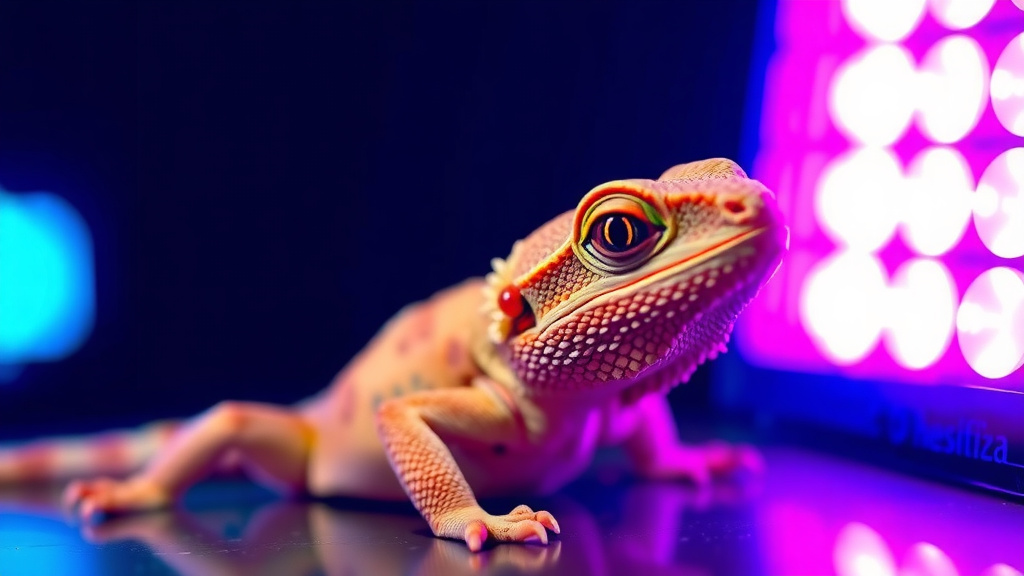
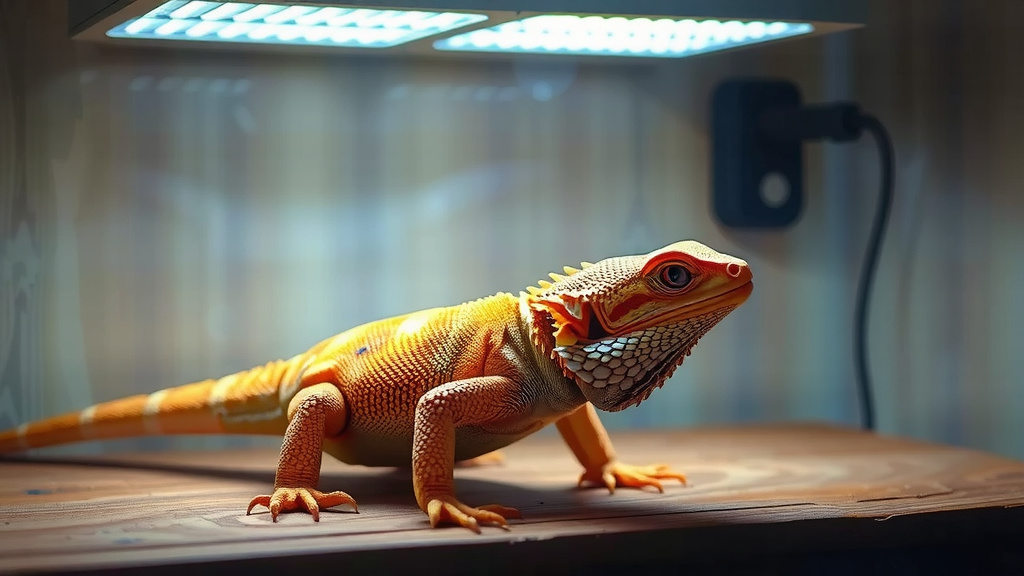
Most bearded dragons need one heat lamp during the day, placed over their basking spot. If your tank is 4 feet long or bigger, or your home gets cold at night, a second heat lamp may be needed. So the short answer to how many heat lamps for bearded dragon tanks? Usually one, sometimes two.
Here’s the thing people often mix up: heat lamps and UVB bulbs are not the same thing. Your beardie needs both, but the UVB light doesn’t provide warmth. Many experts say the real goal isn’t counting bulbs — it’s hitting the right basking temperature of about 95 to 110°F on one side of the tank, with a cooler side to escape to.
We dug into what reptile vets and experienced keepers recommend, and the answer depends on a few things: your tank size, the bulb wattage, and your room temperature. Confused yet? Don’t worry, it’s simpler than it sounds.
- One heat lamp is enough for most adult bearded dragons.
- Big tanks (40 gallons or more) often need two for even heating.
- UVB lighting is separate — you need that too, but it’s not a heat source.
- At night, most dragons are fine without a heat lamp if your home stays above 65°F.
- Placement matters more than the number of bulbs.
Below, we break down exactly how many heat lamps your setup needs, where to put them, and how to know it’s working.
How Many Heat Lamps Your Bearded Dragon Tank Actually Needs
For most bearded dragons, one heat lamp over the basking spot does the job. You’ll only need a second lamp if your tank is long, your bulb is weak, or your home runs cold. That’s it. Really.
Think of it like heating a house. A small apartment needs one heater. A long hallway with rooms at both ends? You might need two. Beardie tanks work the same way.
Tank Size and Bulb Count
Tank size is the biggest factor. The longer the tank, the harder it is for one bulb to create a proper temperature gradient — hot on one side, cool on the other.
40 Gallons and Under
One heat lamp is plenty here. A single bulb placed over the basking area can warm the hot side while the far end stays cooler. Many juvenile setups fall in this range, and they do fine with one lamp.
75 Gallons and Bigger
Once you hit a 4-foot tank (usually 75 gallons or more), one bulb often can’t cover the distance. We found that many experienced keepers add a second lower-wattage lamp over the middle or cool side to keep temps from dropping too much.
What the Bulb Wattage Changes
Wattage matters as much as count. A 150-watt bulb throws a lot more heat than a 75-watt one. So a big tank with a strong bulb might not need two lamps at all.
- 75 to 100 watts: usually enough for one lamp in standard tanks.
- 100 to 150 watts: good for tall enclosures or cooler rooms.
- Lower watts in pairs: two gentle lamps can beat one blasting bulb.
The trick? Don’t guess. Get a cheap temperature gun or digital thermometer and measure. Your dragon will thank you — well, in its own way, probably with a head bob.
Heat Lamps vs. UVB Bulbs: Don’t Mix Them Up
This trips up so many new owners, so let’s clear it up. A heat lamp makes warmth. A UVB bulb makes ultraviolet light, which helps your dragon make vitamin D3 and absorb calcium.
They’re two separate jobs. Many reptile care guides, including resources from the Association of Reptile and Amphibian Veterinarians, stress that UVB lighting is required for bone health — but it doesn’t warm the tank (Merck Veterinary Manual covers this too). So if someone tells you a UVB bulb replaces a heat lamp, they’re mixing up their bulbs.
A healthy adult setup usually includes:
- One basking heat lamp (white light, daytime use).
- One UVB tube light running the length of the tank.
- Optional ceramic heat emitter for nighttime warmth in cold homes.
Setting Up Your Basking Spot the Right Way
Placement beats bulb count every time. You want a clear hot zone and a clear cool zone, so your dragon can pick its comfort level — like moving between a fireplace and a shady porch.
Where to Place the Lamp
Put the heat lamp over one end of the tank, not the middle. Aim it at a flat rock, branch, or hammock your dragon can climb. The light should spread over the basking surface, not just spotlight one tiny spot.
Keep the lamp outside or safely above the mesh top, and follow the manufacturer’s distance guidance — usually 8 to 12 inches from the basking surface. Mesh screens block a surprising amount of heat and UVB, so some keepers place bulbs inside a fixture designed for in-tank use.
Temperatures to Aim For
Veterinary care sheets generally agree on these target ranges for bearded dragons:
| Zone | Target Temperature | How to Check |
|---|---|---|
| Basking surface | 95–110°F (adults); up to 110–115°F for babies | Infrared temp gun |
| Warm side (air) | 88–95°F | Digital probe thermometer |
| Cool side | 75–85°F | Digital probe thermometer |
| Nighttime (whole tank) | 65–75°F | Thermometer with night reading |
If your cool side drifts above 85°F, your dragon has nowhere to cool down. That’s when a second lamp isn’t the fix — lowering the wattage or raising the lamp is.
Do Bearded Dragons Need a Heat Lamp at Night?
Usually, no. Bearded dragons sleep better in the dark and in cooler air. If your home stays above 65°F at night, turn the heat lamp off when the lights go out.
What if your house gets chilly in winter? Skip the colored bulb. Many experts recommend a ceramic heat emitter instead — it makes heat with zero light, so it won’t mess with your dragon’s sleep. Bright light at night can disrupt a reptile’s day-night cycle, and veterinary sources generally advise keeping nighttime lighting dark and minimal.
One quick warning: heat rocks. Just don’t. They can develop hot spots and burn your dragon’s belly. Overhead heat is safer and more natural.
Your Heat Setup Checklist
Before you call it done, run through this quick list:
- One main heat lamp over the basking spot at one end of the tank.
- Thermometers on both sides — hot end and cool end.
- A temp gun to check the actual basking surface temperature.
- A UVB tube light running most of the tank’s length.
- Correct bulb wattage for your tank size and room temperature.
- A ceramic heat emitter ready if your home drops below 65°F at night.
Signs Your Heating Setup Is (or Isn’t) Working
Your dragon is the best thermometer in the room — you just have to read it. A happy, well-heated beardie basks in the morning, then moves to the cool side to digest. That back-and-forth is exactly what you want to see.
Trouble signs we found keepers and vets flag most often:
- Mouth-open gaping all day in the basking spot — it’s too hot.
- Hiding on the cool side constantly — the hot side may be overpowering.
- Never leaving the basking area — the tank may be too cold overall.
- Little to no appetite — digestion slows when temps are off.
- Sluggish behavior — cold dragons get lethargic fast.
If you see several of these at once, recheck your temperatures before changing anything else. Nine times out of ten, it’s a placement or wattage issue, not a mystery illness. And if your dragon keeps struggling despite good temps, a reptile-savvy vet is the right next call — better safe than sorry with a pet who can’t tell you what hurts.
Conclusion
So, how many heat lamps for bearded dragon tanks do you really need? For most setups, one — aimed right at the basking spot, with a second lamp only if your tank runs 4 feet long or your home stays chilly. What counts more than the bulb count is the temperature gradient: a basking surface around 95 to 110°F on one side and a cool side in the 75 to 85°F range. Don’t forget your UVB tube light, either, since no heat lamp can do that job.
Your next step is simple: grab a temp gun and a couple of digital thermometers, measure your tank right now, and adjust from there. Your dragon’s behavior will tell you the rest.
Frequently Asked Questions
Can I use a regular household bulb as a heat lamp for my bearded dragon?
You can in a pinch, as long as the bulb provides focused heat and bright white light. We found many keepers do this successfully with standard incandescent bulbs. Just make sure the fixture is rated for the wattage and monitor temps closely, since household bulbs aren’t designed for around-the-clock reptile use.
How long should the heat lamp stay on each day?
Run it for about 10 to 12 hours during the day, mimicking natural sunlight. Turn it off at night so your dragon gets a proper dark, cooler resting period. A simple timer plug makes this automatic, so you never forget to switch it on or off.
Do baby bearded dragons need more than one heat lamp?
Not usually. Babies need warmer basking temps — closer to 110°F — but one properly placed lamp in their smaller tank typically gets there fine. If the basking surface reads too cool, bump the wattage or adjust the lamp height before adding a second bulb.
Can two bearded dragons share one heat lamp setup?
They can share the lighting, but we’d gently steer you away from housing beardies together at all. Research and keeper experience show cohabitation often leads to stress, bullying, and injuries, even between dragons that seemed fine at first. If you do house them together, make sure both can access the basking area at once.
How often should I replace my heat lamp bulb?
Heat bulbs typically last 6 to 12 months before their output starts to fade, even if they still light up. We recommend checking your basking temps monthly with a temp gun to catch any drop-off early. Keep a spare bulb on hand so a sudden burnout doesn’t leave your tank cold overnight.