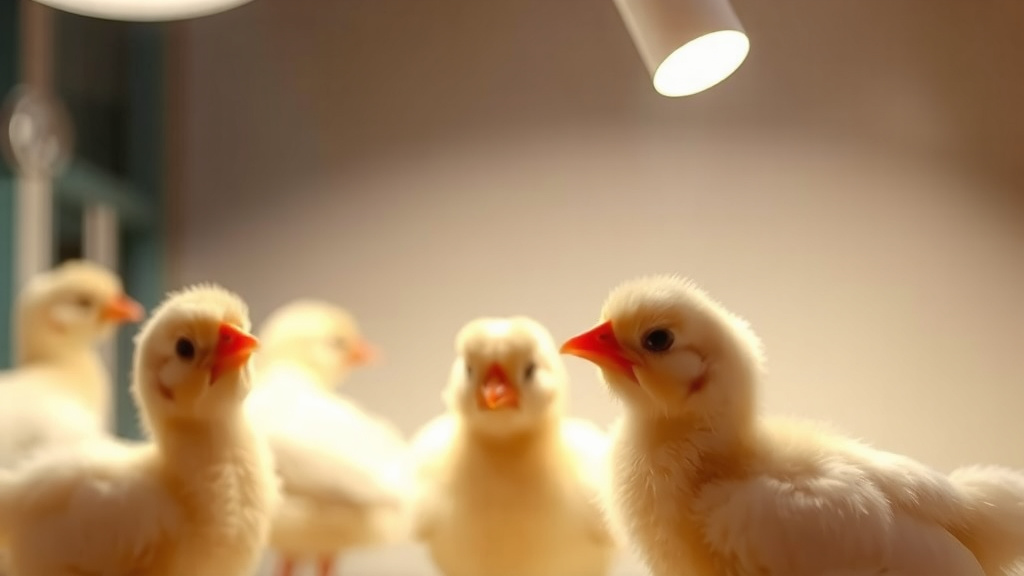
How Many Heat Lamps Do Chicks Need? A Simple Guide
Most chicks need just one heat lamp per brooder. A single 250-watt infrared bulb comfortably warms a brooder up to about 4 feet by 4 feet, which is enough space for roughly 25 to 30 chicks. If your brooder is bigger or the room is chilly, you may need a second lamp to keep things cozy. Not sure which lamp to buy? Our roundup of the best brooder lamps for chicks compares top-rated picks.
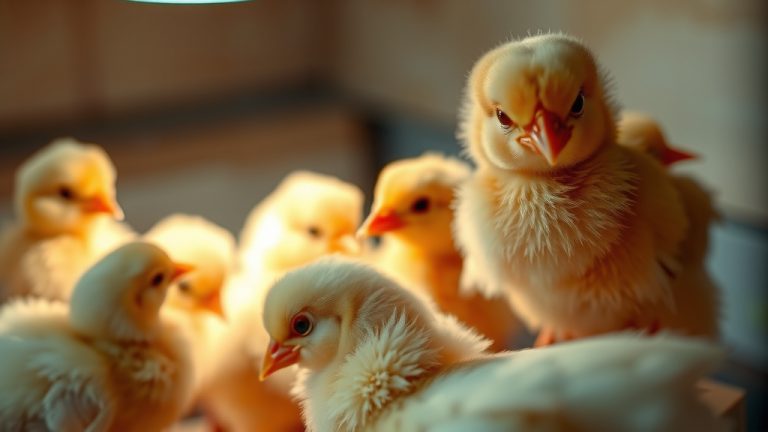
Here’s the thing, though. The number of lamps matters less than whether your chicks are actually warm enough. We researched care guides from poultry extension programs, and many experts say the real test is watching your chicks’ behavior. If they huddle tightly under the lamp, they’re cold. If they spread out to the brooder’s edges, they’re too hot. If they’re evenly scattered, peeping happily? You’ve nailed it.
Quick TL;DR:
- One 250-watt heat lamp covers a brooder up to about 4×4 feet.
- That’s roughly 25 to 30 chicks per lamp.
- Cold room or larger brooder? Add a second lamp.
- Watch chick behavior — it tells you more than any thermometer.
- Start at 95°F for the first week, then lower it about 5°F each week.
Below, we break down exactly how to size your heat lamp setup, spot the warning signs of a brooder that’s too hot or too cold, and keep your fluffy new arrivals safe and comfortable from day one. Let’s get into it.
Sizing Up Your Chick Brooder Heat Setup
For most backyard flocks, one 250-watt heat lamp does the job. It covers a brooder up to about 4 feet by 4 feet, and that space comfortably holds 25 to 30 chicks through their first few weeks.
But size isn’t the only factor. We found that room temperature, brooder height, and even draftiness all play a role. A lamp in a cold garage works harder than one in a warm laundry room. Same bulb, very different results.
When One Lamp Isn’t Enough
So how do you know you’ve crossed into two-lamp territory? Here’s what we found in the care guides from several poultry extension programs:
- Your brooder is longer than 4 feet in any direction.
- You’re starting chicks in an unheated barn or garage in winter.
- Your brooder thermometer reads below 90°F at chick level, even with the lamp on.
- You’re brooding more than 30 chicks in a single space.
In these cases, a second lamp placed at the opposite end creates an even warm zone. Think of it like two campfires instead of one. Chicks can pick their comfort spot without trekking across the brooder.
Heat Lamp and Brooder Size Guide
Here’s a quick reference we put together based on standard extension recommendations. Match your setup before you buy bulbs.
| Brooder Size | Chick Capacity | Lamps Needed |
|---|---|---|
| 2 ft x 2 ft | 8–12 chicks | One |
| 3 ft x 3 ft | 15–20 chicks | One |
| 4 ft x 4 ft | 25–30 chicks | One |
| 4 ft x 8 ft | 40–60 chicks | Two |
Picking the Right Bulb
Not all bulbs are created equal. A 250-watt infrared bulb is the go-to for a reason. It throws plenty of warmth without blasting bright light all day and night.
Red bulbs tend to be the favorite, and many experts say they help. Why? A red glow discourages pecking at each other, and it lets chicks sleep in dim light. Clear bulbs work too, but they keep the brooder lit around the clock. That can make for grumpy, restless birds.
One more tip: buy a spare bulb on day one. Bulbs burn out at the worst possible moment, usually on a Sunday night in January.
Getting the Temperature Right, Week by Week
Newly hatched chicks can’t regulate their own body temperature yet. They depend on you completely for the first several weeks. Most extension guidelines follow the same simple schedule:
- Week 1: 95°F at chick level.
- Week 2: 90°F.
- Week 3: 85°F.
- Week 4: 80°F.
- Week 5 and beyond: 75°F, then off entirely once chicks are fully feathered.
The easiest way to hit those numbers? Raise or lower the lamp. Every few inches of height changes the temperature under it. Small adjustments, big results.
How to Use a Thermometer Correctly
A thermometer only helps if it’s measuring the right thing. Place it at chick level, right on the bedding directly under the lamp. A reading taken at your eye level tells you about your eye level, not your chicks’ comfort.
A Backup Check That Never Lies
Even with a thermometer, behavior is your best gauge. Many experts say to treat the thermometer as a starting point and the chicks as the final word. If the numbers look right but the birds are piled in a corner, trust the birds. Numbers can misread. Chicks never lie about being cold.
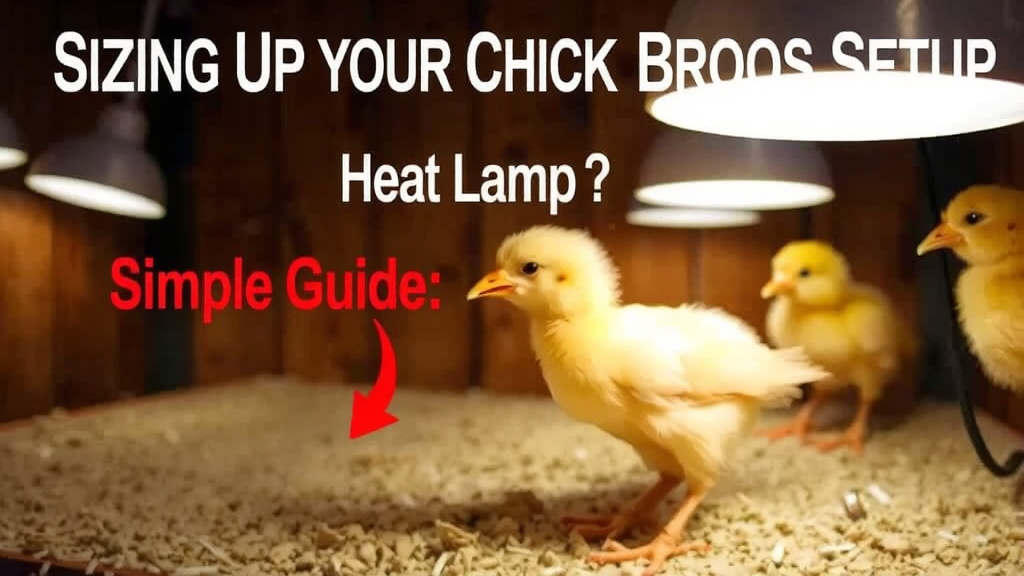
What Your Chicks Are Telling You
Here’s the fun part. Chicks are surprisingly honest communicators. They huddle, spread out, and peep in ways that tell you exactly what’s wrong. You just have to learn the language.
Cold Chick Warning Signs
Cold chicks cluster. Watch for these tells:
- A tight puppy pile directly under the lamp.
- Loud, distressed peeping that sounds urgent rather than chatty.
- Chicks refusing to leave the warm zone to eat or drink.
That huddling isn’t cute. It’s a rescue mission. Lower the lamp or add a second one, and the pile should break up within minutes.
Overheated Chick Warning Signs
Too much heat is just as risky. Chicks trying to escape the heat will:
- Pant with open beaks, like tiny dogs on a hot sidewalk.
- Press themselves flat against the brooder walls, far from the lamp.
- Spread their wings away from their bodies to release heat.
If you see this, raise the lamp right away. Overheating can be more dangerous than a brief chill, so don’t wait it out.
Your Heat Lamp Safety Checklist
We’d be doing you a disservice if we skipped this part. Heat lamps are the number one cause of brooder fires, and many extension safety guides treat them with real caution. Run through this list before your chicks ever arrive:
- Secure the lamp with a chain or clamp, never by its cord alone.
- Keep cords away from waterers and out of pecking range.
- Use a lamp with a wire guard over the bulb.
- Keep bedding at least 18 inches below the bulb.
- Check that the bulb is screwed in snugly every day.
- Have a spare bulb and a backup heat plan, like a heating plate, ready to go.
A little preparation here buys you serious peace of mind. Your chicks stay warm, your coop stays standing, and you actually sleep during those first sleepless brooding weeks.
Conclusion
So, how many heat lamps do you need? For most brooders, the answer is one. A single 250-watt red bulb warms up to a 4×4 foot space, which handles 25 to 30 chicks just fine. Bigger brooders, cold garages, and big hatches call for a second lamp at the opposite end. And remember, your chicks are the real thermometer here. Huddling means add heat, panting means back off, and an even scatter means you’ve got it right. Before your chicks arrive, secure your lamp with a chain, add a wire guard, and stash a spare bulb nearby. Then sit back and enjoy the show.
Frequently Asked Questions
Can I use a regular light bulb instead of a heat lamp bulb?
We wouldn’t recommend it. Standard household bulbs put out more light than warmth, so they struggle to hit 95°F at chick level, especially in a cooler room. A 250-watt infrared bulb is built for the job and costs very little more.
Should I turn the heat lamp off at night?
No, leave it running around the clock. Chicks can’t regulate their body temperature yet, and nighttime temps often drop sharply, even indoors. A red bulb keeps the brooder dim enough for sleep while still delivering steady warmth.
How high should the heat lamp hang above the bedding?
Start with the bulb roughly 18 inches above the bedding, then adjust from there. If the thermometer at chick level reads too warm, raise it a few inches at a time. Too cool? Lower it slightly and recheck after an hour.
Are heat lamps safe, or should I use a heating plate instead?
Heat lamps work well but demand respect, since they’re a leading cause of brooder fires when hung loosely or left near bedding. If that worries you, a radiant heating plate is a safer alternative that mimics a mother hen. Many keepers use plates for the first few weeks and skip the lamp entirely.
How long do chicks need the heat lamp before they’re done with it?
Most chicks are ready to wean off supplemental heat between 4 and 6 weeks, once they’re fully feathered. Start raising the lamp or lowering the temperature around week four so they adjust gradually. If nights are still chilly outside, give them a little extra time.