How Many BTUs Does a 250 Watt Heat Lamp Produce?
A 250 watt heat lamp produces about 853 BTUs per hour. You get that number by multiplying watts by 3.412, which converts electrical power into heat output. So if you were picturing something wildly higher or lower, now you know the real deal.
Here’s why this matters: BTUs measure actual heat output, and that’s what keeps your chicks warm, your food hot, or your bathroom cozy. When you’re shopping for a heat lamp or sizing one for a space, knowing the BTU rating helps you match the lamp to your needs instead of guessing. We found that many people overbuy wattage because they don’t know this simple math.
- A 250 watt heat lamp produces roughly 853 BTUs per hour.
- The conversion is easy: watts × 3.412 = BTUs per hour.
- Heat lamps convert almost all their electricity into heat, not light.
- Room size, ceiling height, and drafts all affect how well that heat works for you.
- Common uses include reptile tanks, coops, bathrooms, and food warming.
Below, we break down everything you need to know about heat lamp BTUs — the math, the real-world uses, and how to pick the right one for your setup. Let’s walk through it step by step.
The BTU Output of a 250 Watt Heat Lamp Explained
The short answer stays the same: about 853 BTUs per hour. But what does that actually mean when you’re standing in the pet store aisle, staring at a shelf of red bulbs? Let’s put that number into context so it actually helps you.
Think of a BTU as the amount of heat it takes to warm one pound of water by one degree. In practical terms, 853 BTUs per hour is enough to keep a small, enclosed space comfortably warm. It’s not a space heater for the whole living room. It’s a focused, steady heat source for a zone.
How to Convert Watts to BTUs Yourself
You don’t need an engineering degree for this. You just need one multiplication problem.
The Simple Formula Anyone Can Use
Take the wattage and multiply it by 3.412. That’s the standard conversion factor used across the heating industry. Here’s the math for a few common bulb sizes:
| Bulb Wattage | Calculation | BTUs Per Hour |
|---|---|---|
| 100 watts | 100 × 3.412 | 341 BTUs |
| 150 watts | 150 × 3.412 | 512 BTUs |
| 250 watts | 250 × 3.412 | 853 BTUs |
| 500 watts | 500 × 3.412 | 1,706 BTUs |
Notice the pattern? Double the watts, double the heat. It’s that predictable.
Why Heat Lamps Beat Other Bulbs for Heat
Here’s a fun fact we found while researching: every light bulb produces heat, but heat lamps are built to maximize it. A regular LED uses most of its electricity to make light and very little to make warmth. A heat lamp does the opposite. Nearly all that 250 watts becomes usable radiant heat, which is exactly what you want for a brooder or terrarium.
Is 853 BTUs Enough for Your Space?
That depends on three big factors. Ask yourself these before you buy anything.
Room Size and Ceiling Height
A small bathroom might warm up nicely with one 250 watt lamp. A two-car garage? Not a chance. Heat rises, so tall ceilings make the job harder. We found that a single heat lamp works best in spaces under about 50 square feet with average 8-foot ceilings.
Drafts and Insulation
Old windows and drafty doors steal heat faster than your lamp can make it. If your coop or enclosure leaks air, you’ll need to seal things up first or add a second lamp. Heat lamps warm objects and creatures directly, though, which is why they still work decently in breezier spots like barns.
What You’re Heating
Warming chicks is different from warming tile floors. Baby animals huddle close to the source, so radiant heat works great for them. Food warming lamps don’t heat the room at all — they just keep the surface of your dish hot and ready. Know your goal before sizing up.
Common Uses for a 250 Watt Heat Lamp
You’d be surprised how many ways people use these workhorse bulbs. We researched the most popular setups and found a clear list:
- Reptile tanks: Bearded dragons and other lizards need a basking zone with steady warmth.
- Chicken brooders: New chicks rely on a warm spot for their first weeks of life.
- Bathroom heat: Some wall-mounted units use these bulbs to take the chill off cold mornings.
- Food service: Diners and buffet lines keep plates warm under these lamps.
- Pet enclosures: Small mammals and birds recovering from illness benefit from gentle radiant heat.
Safety Tips When Running a Heat Lamp
Heat lamps get seriously hot — hot enough to start a fire. The CDC has noted heat-related fire risks around space heating equipment in homes, and the same caution applies here. A little prep goes a long way.
Your Pre-Use Safety Checklist
Run through this list every time you set up or move a lamp:
- Keep the lamp at least 18 inches away from anything flammable.
- Use a fixture rated for the bulb’s wattage — no cheap plastic sockets.
- Secure the cord so pets and kids can’t tug it down.
- Never leave the lamp on overnight unattended unless it’s a purpose-built brooder setup.
- Check the bulb for cracks before each use.
- Keep a working smoke detector nearby. Just in case.
How a Heat Lamp Compares to a Space Heater
Maybe you’re wondering if a space heater is the better buy. Fair question. A small electric space heater puts out around 3,400 to 5,100 BTUs per hour, several times more than your 250 watt lamp. But that comparison misses the point.
Heat lamps warm a specific zone, not the air in the whole room. If you need to keep a basking rock warm while the rest of the room stays cool, a heat lamp is perfect. If you want to warm an entire room for hours, buy a space heater instead. Match the tool to the job and you’ll save money on your electric bill.
Understanding Radiant Heat vs. Air Heat
Heat lamps work through radiant heat. Instead of warming the air, they send infrared energy that warms whatever it touches — skin, feathers, food, floors. That’s why you feel warm in direct sunlight even on a chilly day. Same principle, just indoors.
This matters for your animals, too. Reptiles and poultry can feel radiant warmth even when the surrounding air is cool, which mimics how they’d bask in nature. Many reptile care guides recommend a proper basking temperature gradient for healthy digestion and activity (NIH-backed herpetology research supports this too).
Running Costs: What 250 Watts Costs You
Let’s talk money. A 250 watt lamp running 24 hours a day uses 6 kilowatt-hours daily. At the national average electricity price of roughly 16 cents per kWh, that’s about 96 cents per day, or around $29 per month. Yikes, right?
The good news: most setups don’t run around the clock. Use a thermostat or timer, and you can cut that cost in half or better. We found that pairing a lamp with a simple dimmer gives you control over heat output and your bill at the same time.
Choosing the Right Bulb for Your Needs
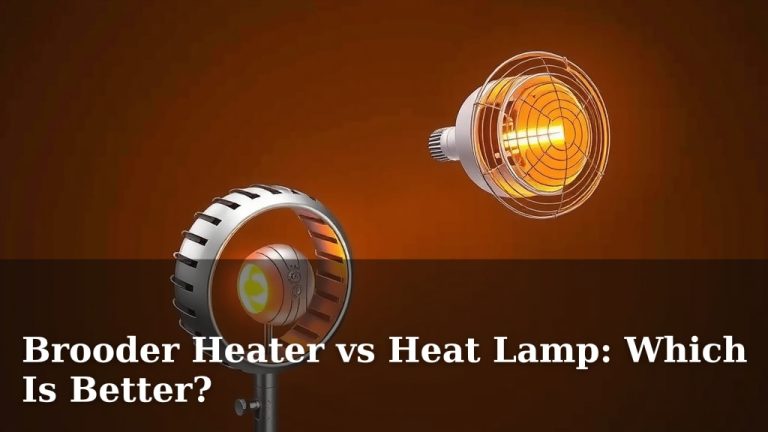
Not all 250 watt heat lamps are identical. Red bulbs give off less visible light, which is better for sleeping animals. Clear bulbs throw more light along with the heat. Ceramic heat emitters skip the light entirely and last longer, but they need a special socket.
Whatever you pick, read the packaging. Make sure the fixture matches the bulb type and wattage. A mismatch is the number one cause of heat lamp problems we found in user reviews and safety reports.
Quick Recap of Key Takeaways
Let’s lock in what you’ve learned so you can shop with confidence:
- 853 BTUs per hour is your magic number for a 250 watt lamp.
- Use the watts × 3.412 formula for any bulb you’re comparing.
- Radiant heat warms objects and animals, not the whole room’s air.
- Match your lamp to the space size, drafts, and the animal or task involved.
- Always follow safety basics — distance, secure mounting, and working smoke detectors.
- Timers and thermostats keep your running costs reasonable.
Conclusion
Now you’ve got the full picture. A 250 watt heat lamp puts out about 853 BTUs per hour, and you can figure that out for any bulb with the simple watts × 3.412 formula. We found that most people run into trouble not from the math, but from matching the wrong lamp to the wrong space or skipping basic safety steps. Keep your lamp at least 18 inches from anything flammable, use a timer to tame your electric bill, and remember that radiant heat warms a zone, not a room. Your next step? Measure your space, check your fixture’s wattage rating, and pick the bulb type that fits your animals or task. You’re ready to buy with confidence.
Frequently Asked Questions
Does a red 250 watt heat lamp produce the same BTUs as a clear one?
Yes. The color only changes the visible light, not the wattage or heat output. Both a red and clear 250 watt bulb produce roughly 853 BTUs per hour. Pick the color based on your animal’s sleep needs, not the heat rating.
Do ceramic heat emitters produce the same BTUs as regular heat lamp bulbs?
A 250 watt ceramic heat emitter also produces about 853 BTUs, since the output depends on wattage. The difference is that ceramic emitters last much longer and give off no light at all. Just make sure your socket is rated for ceramic use.
Can I run two 250 watt heat lamps to double the heat?
You can, and you’d get about 1,706 BTUs per hour combined. Two lamps also spread heat more evenly than one bright hotspot. Just confirm your circuits can handle the extra 500 watts, and keep both fixtures safely mounted.
How long does it take a 250 watt heat lamp to warm up a space?
Most setups reach their target temperature within 20 to 45 minutes, depending on room size and drafts. Radiant heat warms surfaces and animals quickly, but the surrounding air takes longer. Check temperatures with a thermometer rather than guessing by feel.
Will a 250 watt heat lamp raise my electric bill a lot?
It depends on how long you run it. At 16 cents per kWh, each hour costs you about 4 cents, so 8 hours a day adds roughly $10 a month. A timer or thermostat makes a big difference if you’re worried about the bill.