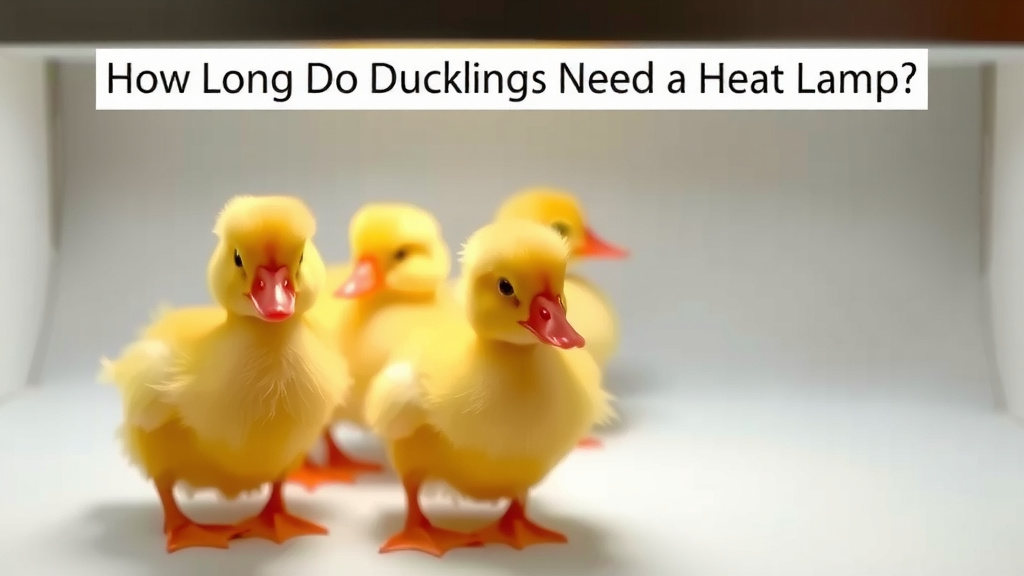
How Long Do Ducklings Need a Heat Lamp? A Week-by-Week Guide
You should keep ducklings under a heat lamp until they are fully feathered, which usually happens between 5 and 7 weeks of age. Before that, they need extra warmth to stay healthy, because ducklings cannot regulate their own body temperature yet. Think of it as their little personal space heater until nature catches up.
The exact timing depends on a few things, like the ambient temperature in your brooder and how quickly your ducklings feather out. We found that many experts recommend starting at around 90°F during week one and lowering the heat by about 5 degrees each week. Watch your ducklings, too — if they huddle under the lamp, they’re cold. If they pant and crowd away from it, they’re too warm.
Here’s the short version:
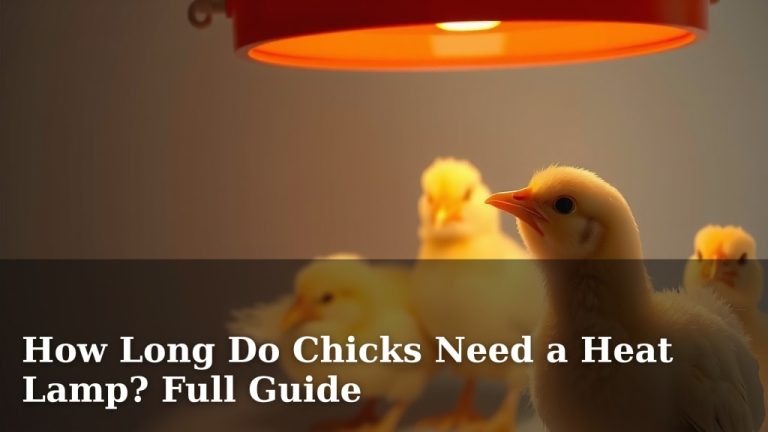
- Ducklings need a heat lamp from day one until they’re fully feathered. Chicks follow a similar timeline, and our guide to how long chicks need a heat lamp breaks it down week by week.
- That’s typically 5 to 7 weeks, depending on the breed and weather.
- Start near 90°F and drop the temperature about 5 degrees each week.
- Your ducklings’ behavior tells you if the heat is right — huddling means cold, panting means hot.
- After feathering, most ducks can handle outdoor temps on their own.
Below, we break down everything you need to know about heat lamp timing, week by week, so you can raise happy, healthy ducks with confidence.
Timing Your Ducklings’ Heat Lamp Journey
Ducklings typically stay under a heat lamp until they’re fully feathered, which takes about 5 to 7 weeks. Feathering matters more than age. Once those little downy fluffs turn into real feathers, your ducks can regulate their own body temperature and no longer need the lamp.
Some breeds feather out faster than others. We found that Pekins and other large breeds often take closer to 7 weeks, while smaller breeds like Calls may be ready by week 5. Cold outdoor weather can also stretch the timeline a bit.
Temperature Week by Week: Your Heat Schedule
Start at 90°F during week one, then lower the heat about 5 degrees each week. It’s like easing your ducklings off a warm blanket one layer at a time. Here’s a quick schedule we found helpful for planning your brooder setup. If you’re still choosing equipment, our roundup of the best brooder lamps compares safe, reliable options.
| Age | Bulb Height | Bulb Status | Brooder Temp |
|---|---|---|---|
| Week 1 | 18 inches up | On | 90°F |
| Week 2 | 24 inches up | On | 85°F |
| Week 3 | 30 inches up | On | 80°F |
| Week 4 | Higher or smaller bulb | On | 75°F |
| Week 5–6 | Adjust as needed | Off during warm days | 70°F |
| Week 7+ | Removed | Off | Ambient |
Reading Your Ducklings’ Body Language
Your ducklings will tell you everything if you pay attention. We found that behavior beats any thermometer. Watch their movements for a day and you’ll know exactly what to adjust.
Signs They’re Too Cold
Cold ducklings huddle tightly under the lamp and pile on top of each other. They may chirp loudly and constantly. That cheeping is your cue to lower the bulb or grab a higher wattage.
Signs They’re Too Hot
Hot ducklings pant with open beaks, spread out far from the lamp, and press against the brooder walls. They may also drink water excessively. Raise the bulb or switch to a lower wattage right away.
Signs Everything Is Just Right
Comfortable ducklings roam the brooder freely, eat, nap in small groups, and chatter softly. Some spread out, some stay near the warm zone. A relaxed, mixed crowd means you’ve nailed it.
Why Ducklings Can’t Regulate Their Own Heat
Adult ducks carry a dense layer of feathers with natural oils that trap body heat. Ducklings start life covered in down, which is soft but not waterproof and doesn’t insulate well. Until real feathers grow in, they depend on you for warmth.
This is the same reason chicks and other poultry babies need brooding warmth. Many guidelines from poultry extension programs describe brooding as the most delicate stage of raising waterfowl. Skip the heat, and chilled ducklings can quickly develop pastel down, hypothermia, or failure to thrive.
Weather and Season Change the Timeline
Raising Ducklings in Summer
Warm weather works in your favor. If your brooder sits in a room that’s already 75°F or higher, you may not need the lamp running constantly. We found many keepers turn the lamp off entirely by week 4 or 5 in summer.
Raising Ducklings in Winter
Cold snaps flip the script. In winter, even fully feathered young ducks may appreciate a heat source on frigid nights. Keep the lamp available until your birds handle the weather without huddling or shivering.
What About Brooding Without a Lamp?
Some keepers use a brooder heating plate instead of a hanging bulb. These plates mimic a mother duck’s warmth and let ducklings self-regulate by moving under or away from the heat. Many experts say plates are safer because they reduce fire risk, though ducklings tend to splash water more than chicks, so expect a bit of cleanup.
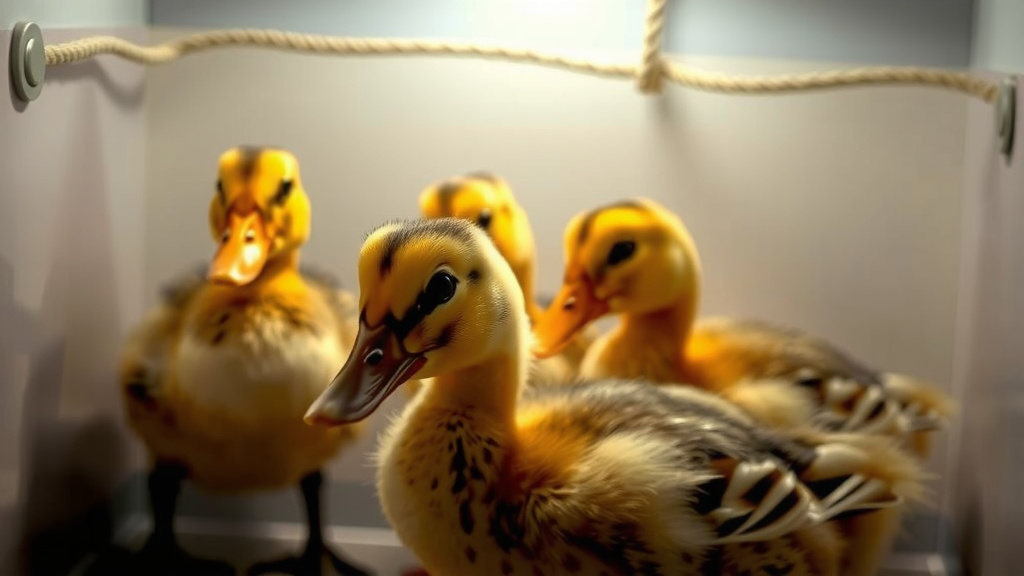
Heat Lamp Safety Basics
Heat lamps cause more brooder fires than any other piece of equipment. According to fire safety guidance similar to what the CDC recommends for space heaters, keep bulbs at least 18 inches from bedding and secure every clamp and cord. A falling lamp in a pine-shaving brooder is a genuine hazard.
Use these quick checks every time you set up or adjust your lamp:
- Clip the lamp to something sturdy, never the brooder’s thin edge.
- Keep a thermometer at duckling level, not just near the bulb.
- Use a bulb guard or ceramic socket to prevent accidental burns.
- Check cords daily for chewing or water splashes.
- Never leave the lamp hanging over flammable bedding without a guard.
Transitioning Off the Heat Lamp
Go gradual. Reduce the temperature a bit each week, then start turning the lamp off during warm daytime hours around week 5 or 6. Turn it back on at night until your ducklings handle cooler evenings without distress.
Once your ducks are feathered and nights stay above roughly 50°F, they’re ready for the coop full time. Think of it like weaning — slow steps prevent stress, and stressed ducklings are more prone to illness and pecking behavior.
Quick Answers to Common Heat Lamp Mistakes
We found that first-time duck keepers often make the same few errors. Avoid these and your brooding stage goes much smoother:
- Keeping heat too long. Extended heat delays feathering and can actually slow development.
- Heating the whole brooder. Ducklings need a warm zone and a cool zone to self-regulate.
- Trusting the thermometer over the birds. Behavior is your best guide.
- Using a tiny bulb over a huge brooder. Match your setup so the warm zone is consistent.
Watch, adjust, and trust the feathers. By the time your ducks strut around the brooder like they own the place, you’ll know the lamp’s job is done.
Conclusion
Raising ducklings through the brooding stage comes down to two things: warmth and patience. Plan on keeping that heat lamp running until your birds are fully feathered around week 5 to 7, ease the temperature down a few degrees each week, and let their behavior guide your adjustments. Huddling means warm things up, panting means dial it back. Watch the weather, too, since summer brooders may need less heat and winter nights may need a little more. When you’re ready to move forward, set up your lamp at 18 inches with a secure clamp and a thermometer at duckling level. Check on your brooder twice a day for the first week, and you’ll find your rhythm fast.
Frequently Asked Questions
Can I turn the heat lamp off at night for ducklings?
Only once your ducklings are nearly feathered and the nighttime temperature in your brooder area stays warm. In the first few weeks, they need heat around the clock, since temperatures drop after dark and they can’t keep themselves warm. When in doubt, leave the lamp on overnight.
Can ducklings get too much heat from a lamp?
Yes, and it’s just as risky as being too cold. Overheated ducklings pant, spread out, and can become dehydrated. Always set up your brooder with a warm zone on one side and a cooler zone on the other so they can move as needed.
What wattage heat bulb should I use for ducklings?
Most keepers start with a 100-watt bulb for a standard brooder and adjust from there. The right wattage depends on brooder size, room temperature, and bulb height. Your thermometer at duckling level matters more than the number on the box, so start there and adjust.
Do fully feathered ducks still need heat in the coop?
In most cases, no. A healthy, feathered adult duck handles cold weather well thanks to its insulating feathers. The exception is frigid winter nights, when young ducks or sick birds might appreciate extra shelter from wind and moisture rather than a lamp.
What happens if a duckling gets chilled?
A chilled duckling becomes sluggish, may stop eating, and can develop health problems quickly. If you spot a cold, listless bird, bring it under the warmth right away and hold it close to your body to rewarm it gently. Most ducklings bounce back if you catch it early.