
How Infrared Heat Lamps Work: A Simple Explanation
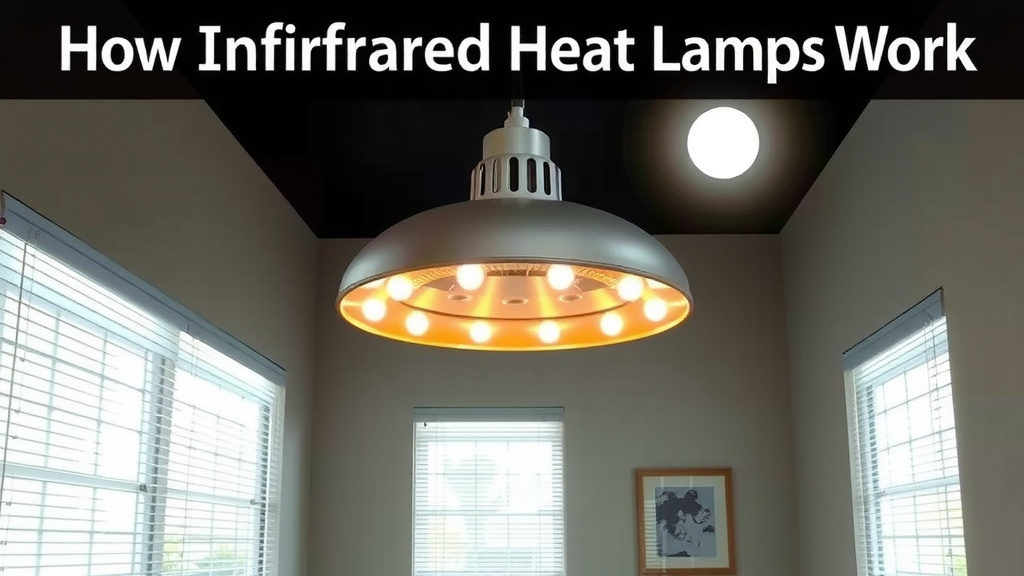
Infrared heat lamps work by emitting infrared radiation, which is a form of electromagnetic energy we feel as heat. Unlike conventional heaters that warm the air first, these lamps directly heat objects and people in their path, offering instant warmth. This is why they feel so effective so quickly.
This direct heating method makes them incredibly useful for many applications. Think about those cozy, heated restaurant patios or warming up your hands after being outside on a cold day. Infrared heat is also used in health and wellness, and even in industrial processes to speed up drying times. It’s a smart way to transfer heat efficiently.
- Infrared lamps emit heat directly as radiation.
- They warm objects and people, not just the air.
- This makes them feel instantly warm and efficient.
- Used for comfort, health, and industrial uses.
Let’s dive into the science behind how these handy devices provide that comforting warmth and where you might encounter them.
Understanding How Infrared Heat Lamps Work
Infrared heat lamps emit warmth through invisible infrared radiation. This is a type of electromagnetic energy. Think of it like light, but at a wavelength our eyes can’t see. When this radiation hits an object or your skin, its energy is absorbed. This absorption causes the molecules within the object to vibrate faster, which we then perceive as heat.
Unlike a traditional space heater that warms the air around it, an infrared lamp doesn’t need to heat the air first. This means the warmth is felt almost instantly. It’s like stepping out into sunshine on a cool day; you feel the warmth directly on your skin without the air necessarily feeling much warmer.
The Science Behind Infrared Radiation
The sun is the most familiar source of infrared radiation. When you stand in direct sunlight, you feel its warmth. Infrared heat lamps work on the same principle, just on a smaller, controlled scale. The lamps contain a heating element, often a wire or a quartz tube, that gets very hot. As this element heats up, it starts emitting infrared rays.
The wavelength of the infrared radiation determines how it’s felt. There are different types of infrared: near, mid, and far. Near-infrared waves are shorter and hotter, penetrating the skin a bit more for a quicker, deeper warmth. Mid-infrared waves are longer and are absorbed more by the surface of the skin. Far-infrared waves are the longest and are absorbed by the outermost layer of skin, providing a gentler, more diffused heat.
Different Types of Infrared Rays
Most common infrared heat lamps for personal comfort, like those used on patios or in bathrooms, typically emit a mix of near and mid-infrared. These deliver that satisfying, immediate warmth you’re looking for. You’ll notice they don’t make the room itself significantly hotter, but rather, they warm you directly.
Industrial and therapeutic applications might sometimes use lamps that focus on specific wavelengths. For example, some medical treatments might use far-infrared for its gentler warming properties, aiding circulation. The specific design of the lamp and its emitter will dictate the type of infrared rays it primarily produces.
How the Heating Element Works
Inside an infrared lamp, a coil of wire, often made of nichrome or tungsten, is the heart of the operation. When electricity flows through this wire, it encounters resistance. This resistance causes the wire to heat up to very high temperatures. A common material used for the emitter tube is quartz glass, which is strong and can withstand these high temperatures. It also allows the infrared radiation to pass through easily.
The power of the lamp, measured in watts, directly influences how hot the element gets and how much infrared radiation it emits. A higher wattage lamp will produce more intense heat and cover a larger area. You’ll see lamps ranging from a few hundred watts for small personal heaters to several thousand watts for industrial applications.
Direct vs. Indirect Heating
This is where infrared lamps really shine compared to other heaters. Traditional heaters, like convection heaters or radiant electric heaters, work by warming the air. The heated air then rises and circulates around the room. This process takes time, and you might feel drafts or uneven temperatures.
Infrared lamps, on the other hand, use direct radiant heat. The infrared rays travel in a straight line from the lamp until they encounter an object. That object absorbs the energy and warms up. This means you feel warm because the rays are warming your body directly. It’s a very efficient way to transfer heat, especially in spaces where you can’t easily heat the entire volume of air, like outdoors or in a drafty garage.
Applications for Direct Heat
Because they heat objects directly, infrared lamps are fantastic for targeted warmth. Have you ever been to an outdoor cafe in the fall? Those heaters mounted above the tables are usually infrared. They keep you toasty without having to heat the entire open space. Similarly, bathrooms often use infrared heat lamps for a quick burst of warmth when you step out of the shower.
This direct heating principle also makes them useful in commercial kitchens to keep food warm, or in workshops to warm up tools or people working on cold projects. It’s all about sending that warmth precisely where it’s needed.
Comparing Infrared to Other Heating Methods
It’s helpful to see how infrared stacks up. We’ve already touched on convection heaters, which rely on air circulation. Here’s a quick look:
| Heating Method | How It Works | Pros | Cons |
|---|---|---|---|
| Convection Heater | Heats air, which then circulates. | Heats entire room evenly over time. Good for enclosed spaces. | Slow to warm up. Can dry out air. Uses more energy to heat empty space. |
| Radiant Electric Heater | Heats a coil that emits heat. | Faster than convection. Heats objects directly in front of it. | Warms a more localized area. Can feel hot close up, cool further away. |
| Infrared Heat Lamp | Emits infrared radiation that heats objects directly. | Instant warmth. Highly energy efficient for targeted heating. Doesn’t heat air. Quiet operation. | Doesn’t heat surrounding air significantly. Less effective for heating very large, open, and windy areas without multiple units. |
As you can see, infrared lamps excel when you need quick, targeted warmth without necessarily needing to heat a whole room. They offer a different, often more efficient, approach to staying comfortable.
Where You’ll Find Infrared Heat Lamps
You encounter these handy devices more often than you might think! Their versatility makes them popular in many settings:
- Outdoor Patios and Restaurants: Keeping diners comfortable on cooler evenings.
- Bathrooms: Providing immediate warmth after a shower or bath.
- Workshops and Garages: For targeted warmth for people working in chilly spaces.
- Industrial Applications: Used for drying paint, curing materials, or sanitizing.
- Health and Wellness: In saunas or for therapeutic purposes to promote relaxation and circulation.
- Terrariums and Pet Enclosures: Providing essential warmth for certain animals.
Research suggests that infrared therapy can offer benefits like muscle relaxation and pain relief by increasing blood flow (NCBI). This highlights another important area where these lamps are used beyond simple comfort.
Getting the Most Out of Your Infrared Heater
To make sure you’re getting the best experience from your infrared heat lamp, keep these tips in mind:
- Positioning is Key: Aim the lamp directly at the area or people you want to warm.
- Consider the Area Size: For larger spaces, you might need multiple lamps or a more powerful unit.
- Understand the Heat Type: Remember, it heats objects, not air. So, if you’re in a very drafty, open area, the direct warmth might be blown away.
- Safety First: Always follow manufacturer instructions. Keep flammable materials away from the lamp.
- Choose the Right Wattage: Match the lamp’s power to your needs and the size of the space.
Conclusion
You’ve now seen how infrared heat lamps use invisible radiation to deliver instant, direct warmth. Unlike heaters that warm the air, these lamps target objects and people, making them incredibly efficient for many situations. From cozy restaurant patios to personal comfort in your garage, their ability to provide focused heat is clear. Understanding the different types of infrared rays and how the heating element works helps you appreciate their effectiveness. When choosing or using an infrared lamp, remember to position it correctly and consider the space you’re heating for the best results. You can now confidently use these lamps to bring targeted comfort wherever you need it most.
Frequently Asked Questions
Can infrared heat lamps dry out the air like other heaters?
No, infrared heat lamps don’t heat the air directly. This means they don’t tend to dry out the air in the same way that convection or forced-air heaters do. Your skin might feel warmer without the air itself becoming uncomfortably dry.
Are infrared heat lamps safe to use indoors?
Yes, infrared heat lamps are generally safe for indoor use when operated according to the manufacturer’s instructions. It’s important to keep them away from flammable materials and ensure they are properly installed and maintained.
Do different types of infrared rays feel differently?
Yes, they do. Near-infrared rays provide a hotter, deeper warmth. Mid-infrared offers a more surface-level heat. Far-infrared rays give a gentler, more diffused warmth, often used in therapeutic settings.
How much electricity do infrared heat lamps use compared to other heaters?
Infrared heat lamps are often more energy-efficient for targeted heating because they don’t waste energy warming empty air. They deliver heat directly where you need it, which can lead to lower overall energy consumption for personal comfort.
Can I use an infrared heat lamp to warm an entire large room?
While they provide instant warmth, infrared lamps are best for targeted heating or smaller enclosed spaces. For very large rooms, especially if they have high ceilings or are drafty, you would likely need multiple lamps or a different heating solution for overall warmth.
![10 Best Ceramic Table Lamps [2026]](https://bestdesklamp.com/wp-content/uploads/2026/08/10-best-ceramic-table-lamps-2026-featured-768x432.jpg)


![10 Best Circadian Rhythm Sleep Lamps [2026]](https://bestdesklamp.com/wp-content/uploads/2026/08/10-best-circadian-rhythm-sleep-lamps-2026-featured-768x432.jpg)