How Long Does a Lava Lamp Take to Start Working?
It usually takes 1 to 3 hours for a lava lamp to work properly. The wax needs time to warm up before it starts floating and flowing the way you expect. If you just plugged it in and see nothing yet, don’t panic — that’s completely normal.
The exact wait time depends on a few things, like the size of your lamp, the room temperature, and how long it’s been sitting unused. A brand-new lamp straight out of the box can take even longer than one that’s been on a shelf for a while. We researched the most common reasons for slow-moving wax, and the good news is that most fixes are simple.
- Most lava lamps need 1 to 3 hours to fully heat up.
- Smaller lamps warm up faster; large ones can take 4 hours or more.
- Cold rooms can slow things down — keep your lamp between 69 and 75°F.
- Never shake or stir the wax while it’s warming up.
- If the wax never moves after several hours, the bulb may be worn out.
Below, we break down everything you need to know about how long until a lava lamp works, plus easy ways to speed things up when you’re impatiently staring at it. Let’s get that wax flowing.
The Typical Warm-Up Time for a Lava Lamp
Most lava lamps need about two hours of warm-up time before the wax starts moving the way it should. Smaller models might show movement in an hour. Bigger ones can take four or more.
Why so long? The wax at the bottom has to melt completely before it can float. Think of it like butter in a hot pan — it doesn’t glide around until it softens all the way through.
We found that first-time owners often give up too soon. They unplug the lamp at the 45-minute mark, shake it, and make things worse. Patience is honestly the biggest part of the process.
What Affects Your Lava Lamp’s Heat-Up Time
Lamp Size and Bulb Wattage
Size matters more than anything else. A small 11.5-inch lamp with a 25-watt bulb warms up quickly. A classic 27-inch model uses a bigger bulb but heats a much larger wax blob, so it simply takes longer.
Check the label on your bulb. Using a bulb with the wrong wattage is one of the most common mistakes we see. Too weak, and the wax never melts. Too strong, and you risk overheating the glass.
Room Temperature
Your room plays a bigger role than you’d think. A lamp in a 68-degree basement will lag behind one in a cozy 72-degree living room. Cold rooms steal heat from the base before it ever reaches the wax.
Many manufacturers suggest keeping the room between 69 and 75°F for the best flow. If your lamp lives in a cold garage or drafty hallway, consider moving it somewhere warmer.
How Long the Lamp Sat Unused
Wax that has fully hardened and settled takes longer to loosen up. A lamp stored in a cool closet over the winter might need an extra hour on its first run.
New lamps also fall into this category. The wax is packed tight from shipping, so expect a longer wait the very first time you turn it on.
Lava Lamp Warm-Up Times by Lamp Size
Here’s a quick comparison to set your expectations. Times assume an average room around 70°F.
| Lamp Size | Typical Bulb | Warm-Up Time |
|---|---|---|
| 11.5 inches (small) | 25 watts | 1 to 2 hours |
| 14.5 inches (classic) | 40 watts | 2 to 3 hours |
| 16.3 inches (medium) | 40 watts | 2 to 4 hours |
| 27 inches (large) | 100 watts | 3 to 5 hours |
Notice a pattern? Bigger lamp, bigger wait. That’s not a flaw — it’s just physics doing its thing.
How to Tell When Your Lava Lamp Is Ready
You don’t need a timer. Your lamp will tell you. Look for these signs:
- The glass near the base feels warm, not hot.
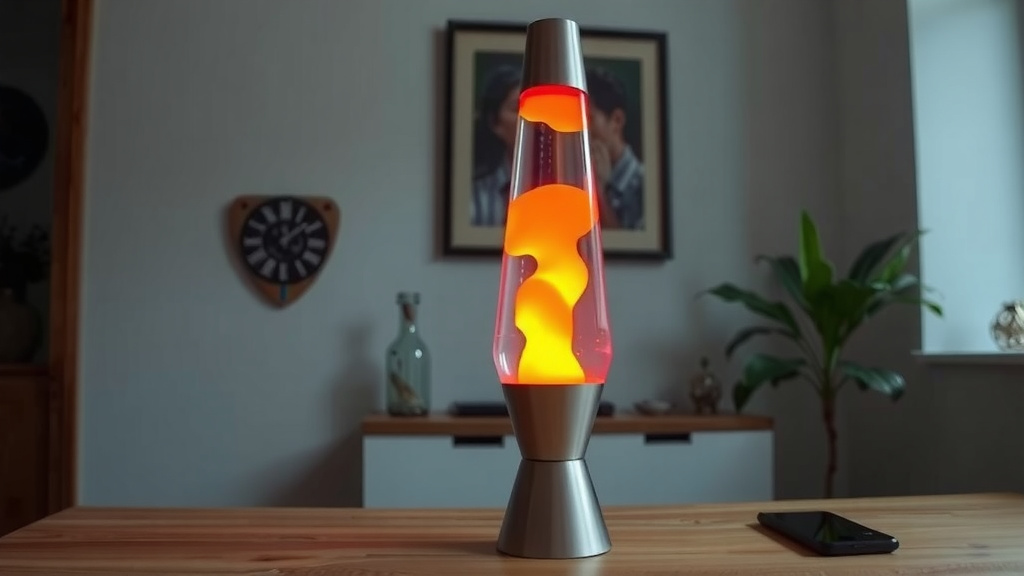
- The wax blob at the bottom looks soft or slightly domed.
- Small wax strands start stretching upward.
- The liquid shows gentle movement near the coil.
Once you see those first lazy strands rising, the show is about to begin. Full flow usually follows within 30 minutes.
What to Do While You Wait
Watching wax sit still for two hours sounds like a bad date. But there are better ways to use that time.
Simple Ways to Help It Warm Faster
You can’t rush physics, but you can remove obstacles. Here’s a quick checklist we put together from manufacturer guidance:
- Place the lamp on a hard, flat surface — carpet insulates the base.
- Keep it away from windows and AC vents.
- Turn it on and leave it alone. No touching, no shaking.
- Close the door if the room is drafty.
- Check the bulb is screwed in fully and matches the rating.
- Run it longer on the first use — up to four hours is fine.
That second-to-last point matters. Many owners don’t realize a bulb can look fine while actually being burnt out or loose. If the glass near the base stays cool after an hour, the bulb is your prime suspect.
What NOT to Do
Whatever you do, don’t shake, swirl, or stir the lamp. It’s tempting — we get it. But shaking mixes wax into the liquid and can leave permanent cloudy swirls.
Also skip the hair dryer trick. Pointing direct heat at the glass can crack it or melt wax unevenly. Many experts say slow and steady heat from the bulb is the only safe method.
Why Your Lamp Might Still Not Work After Hours
A Worn-Out Bulb
Bulbs fade over time. One that still glows might not produce enough heat anymore. If your lamp worked great months ago and now the wax just sits there, a cheap replacement bulb often solves everything.
Wax That Has Hardened or Split
Overheating or repeated shaking can break the wax into a floating crust on top. If your wax sits at the top instead of the bottom, run the lamp for several hours and let it cool fully. Repeat a few cycles, and it often re-forms.
Some lamps never fully recover from a bad shake. It stings, but replacement bottles are inexpensive and widely available.
Leaving a Lava Lamp On All Day
Can you? Yes. Should you? Probably not. Most manufacturers recommend no more than 8 to 10 hours of continuous use. Running it longer can overheat the wax, dim the colors, and wear out the bulb faster.
We found that a simple outlet timer makes this painless. Set it to turn off while you sleep, and your lamp gets a natural cool-down without you lifting a finger. Your wax will last longer, and so will your patience-saving routine.
Conclusion
So, how long until a lava lamp works? Plan on 1 to 3 hours for most lamps, with larger models sometimes needing up to five. Your lamp’s size, the room temperature, and how long it sat idle all play a part in the wait. The best thing you can do is set it on a hard surface, use the right bulb, and then leave it alone. No shaking, no shortcuts, no hair dryer. We found that patience solves most warm-up problems before any troubleshooting is needed. Your next step is simple: plug it in tonight, give it a few quiet hours, and enjoy the slow, groovy show you’ve been waiting for.
Frequently Asked Questions
Can I leave my lava lamp on overnight?
We don’t recommend it. Most manufacturers cap continuous use at 8 to 10 hours, and running a lamp while you sleep removes your chance to catch overheating early. An outlet timer lets you enjoy the evening glow without the risk.
Why is my lava lamp cloudy after I shook it?
Shaking breaks the wax into tiny particles that suspend in the liquid instead of staying separate. Sometimes running several full heat-and-cool cycles clears it up. If the cloudiness persists, a replacement bottle is usually your best option.
Do lava lamps use a lot of electricity?
Not really. Most lava lamp bulbs draw between 25 and 100 watts, which is less than a typical incandescent desk lamp. Running one for three hours a day generally costs only a few dollars over an entire year.
Can I add water or more wax to my lava lamp?
We advise against it. The wax and liquid are formulated with a precise density balance, and adding anything can ruin the flow or make the mixture unsafe when heated. If the wax level looks low, a replacement bottle is the safer fix.
Is it normal for new lava lamp wax to stay in one blob at first?
Yes, and it’s completely expected. Shipping leaves the wax packed hard at the bottom, so the first run can take noticeably longer than usual. Give a brand-new lamp up to four hours before you start worrying.