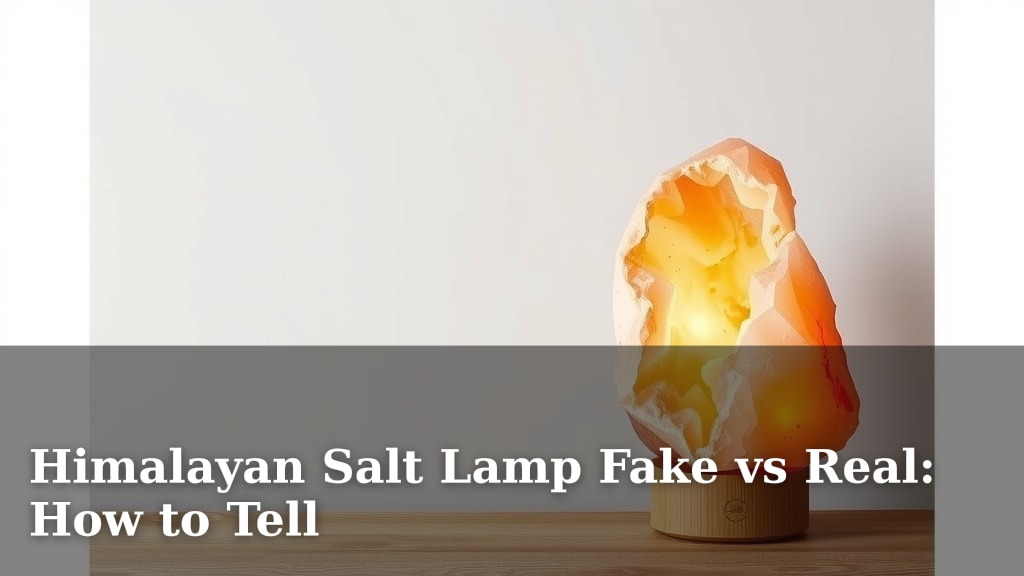
Himalayan Salt Lamp Fake vs Real: How to Tell
Distinguishing a real Himalayan salt lamp from a fake is often simpler than you think. Most genuine lamps will feel heavy and have a unique, irregular shape with rougher surfaces, unlike smooth, uniform glass or plastic imitations. If your lamp has a consistent, artificial glow or a perfectly smooth exterior, it might not be the natural wonder you hoped for. We found that looking closely at the texture and weight are your best first steps.
The hype around Himalayan salt lamps often includes claims of air purification and mood enhancement. While scientific evidence for these specific benefits is limited, the warm, ambient glow they provide is undeniable. Many users report a calming atmosphere, which is a perfectly good reason to enjoy one. We found that their aesthetic appeal is their most consistent and appreciated trait. Remember, the authentic glow is a key indicator.
- Real lamps are heavier and have rougher textures.
- Fake lamps often look too perfect or uniform.
- The light from a real lamp is warm and slightly uneven.
- Weight and texture are key physical clues.
Ready to make sure you’ve got the real deal? Let’s walk through some easy ways to spot a genuine Himalayan salt lamp and avoid common fakes.
“`htmlSpotting Genuine Himalayan Salt Lamps from Fakes
You’ve likely seen them everywhere, those warm, glowing salt lamps. They’re beautiful, right? But how do you know you’re getting a real one? We’ve found that it often comes down to a few key physical characteristics. Many fakes try to mimic the look, but they usually miss the mark on weight, texture, and that unique, natural glow. Let’s talk about how to make sure you’re bringing home an authentic piece of Himalayan beauty.
The Weight and Feel: Your First Clues
One of the quickest ways to tell if your salt lamp is the real deal is by its weight. Genuine Himalayan salt is dense. If you’re holding a lamp that feels surprisingly light, like it’s made of plastic or hollow glass, it’s probably not authentic. A real salt lamp will feel substantial and solid in your hands, almost like a heavy rock.
Why Weight Matters
This density comes from the natural mineral composition of the salt. Miners extract these large salt crystals from ancient deposits. These crystals are then carved and shaped into lamps. The sheer amount of compressed salt required for a lamp means it will always have a significant weight relative to its size. Think of it like comparing a solid piece of granite to a hollow plastic statue.
Texture Tells a Tale
Look closely at the surface of the lamp. Real salt lamps are rarely perfectly smooth. You’ll often see natural variations, rough patches, and crystalline formations. This uneven texture is a hallmark of natural salt. It’s like looking at a natural rock formation versus a perfectly molded sculpture. If your lamp is unnaturally smooth and uniform, it might be a mass-produced imitation.
Assessing the Glow: What’s the Light Like?
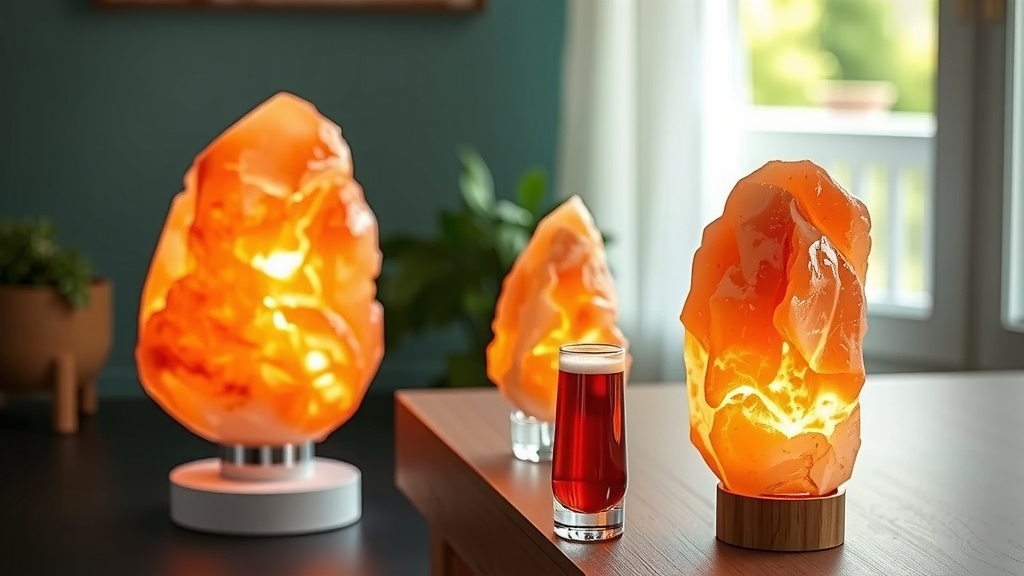
The light emitted by a salt lamp is a big part of its appeal. A genuine Himalayan salt lamp produces a warm, soft, and slightly uneven glow. This is because the light filters through the natural, irregular salt crystal. You won’t find a harsh, perfectly consistent beam. Instead, expect a gentle, ambient light that creates a cozy atmosphere.
The Color of Authenticity
The color of the light is another important indicator. Authentic salt lamps typically emit a beautiful range of colors, from soft pink and rose to deeper reds and oranges. This color is due to the natural mineral impurities within the salt itself. If the light is a stark white, a very artificial-looking blue, or a uniform, manufactured shade, it’s a red flag.
Is the Light Too Bright or Too Dim?
A lamp that’s too bright or too dim for its size might also be a clue. Real salt lamps emit a subdued, calming light. If the brightness seems unnatural or like a standard desk lamp, it could be a fake. The bulb wattage and the thickness of the salt also play a role in the light’s intensity, and these factors are usually managed to provide that signature soft glow.
Shape and Form: Embracing Imperfection
Nature doesn’t create perfect, identical shapes, and neither do authentic salt lamps. Because they are carved from natural salt blocks, you’ll find that each lamp is unique. They often have irregular, organic shapes. You might see natural crevices, slight imperfections, and variations in thickness.
The “Too Perfect” Problem
Conversely, a lamp that looks too perfect, too symmetrical, or too uniform in shape might be suspect. Fakes are often molded or machine-cut to achieve a consistent look. If your lamp has flawlessly straight edges or a perfectly spherical shape, it’s less likely to be carved from a natural salt crystal. Embrace the unique imperfections; they are signs of authenticity.
Other Common Indicators to Watch For
Beyond the physical characteristics, there are a few other things to consider. Sometimes, the price can be a giveaway. If a deal seems too good to be true, it probably is. High-quality, authentic salt lamps require considerable effort to extract and shape, so they will have a price reflecting that.
The “Sweating” Phenomenon
Genuine Himalayan salt lamps can “sweat” or form condensation on their surface. This happens because the salt is hygroscopic, meaning it attracts moisture from the air. This is especially noticeable in humid environments. While it might seem like a downside, this natural process is actually a sign of an authentic, moisture-attracting salt crystal. If your lamp never shows any signs of condensation, even in humid air, it might be made of a less absorbent material.
Checking the Base and Wiring
Take a look at the base of the lamp. Authentic lamps usually have a simple, sturdy wooden base. The wiring should look safe and be properly installed. Be wary of cheap, flimsy plastic bases or poorly done electrical work. Reputable manufacturers prioritize safety and use quality components.
A Quick Checklist: Real vs. Fake
Here’s a handy checklist to help you quickly assess your potential purchase:
- Weight: Does it feel substantial and heavy for its size?
- Texture: Is the surface naturally rough and uneven, with crystalline features?
- Shape: Is it unique and slightly irregular, not perfectly symmetrical?
- Glow: Is the light warm, soft, and slightly uneven?
- Color: Is the light a natural pink, orange, or red hue?
- Condensation: Does it show any signs of “sweating” in humid conditions?
Conclusion
You’re now equipped to spot a genuine Himalayan salt lamp! Remember, it’s all about those natural characteristics: the substantial weight, the pleasingly rough texture, and that warm, uneven glow. Don’t be fooled by lamps that look too perfect or feel too light. Embrace the slight imperfections; they are signs of an authentic, naturally formed piece.
Trust your senses when choosing your lamp. A real salt lamp brings a unique ambiance to your space. Make sure you’re getting the real deal by looking for these key indicators, and enjoy the calming atmosphere it creates in your home!
Frequently Asked Questions
Do real Himalayan salt lamps actually purify the air?
While many believe salt lamps purify air, scientific research is limited. The warm, ambient glow and aesthetic appeal are their most consistently praised qualities. Enjoying the calming atmosphere they provide is a wonderful benefit.
Why do real salt lamps “sweat” or get wet?
Real Himalayan salt is hygroscopic, meaning it attracts moisture from the air. This natural process causes condensation, especially in humid environments. It’s actually a sign the lamp is made from genuine salt that is absorbing water vapor.
Can a fake salt lamp still provide a good ambiance?
Yes, a fake salt lamp can still provide a pleasant ambiance with its light. However, it won’t have the same natural, warm glow or unique mineral composition as an authentic lamp. The primary difference is the source material and its natural properties.
How much should a real Himalayan salt lamp cost?
Authentic salt lamps are carved from natural salt deposits, which involves mining and shaping. Expect to pay a fair price reflecting this effort and the quality of the natural material. If a deal seems too cheap, it might be a sign of a fake.
What kind of bulb should I use in my salt lamp?
Most authentic salt lamps come with a small incandescent or LED bulb designed for them. The wattage is usually low to produce a soft, warm glow without overheating the salt. Always use the type of bulb recommended by the manufacturer for safety and optimal light.


![10 Best Budget Sad Lamp [2026]](https://bestdesklamp.com/wp-content/uploads/2026/08/10-best-budget-sad-lamp-2026-featured-768x432.jpg)