High Pressure Sodium vs Mercury Vapor Lamps
When choosing between high pressure sodium (HPS) and mercury vapor (MV) lamps, know that **HPS lamps generally offer better energy efficiency and a warmer light color**, making them a more popular choice for many applications. While both are types of High-Intensity Discharge (HID) lighting, they produce light differently and have distinct advantages. You’ll want to consider your specific needs to pick the best fit for your space.
We found that HPS lamps are often preferred for **street lighting and greenhouse cultivation** due to their superior lumens per watt. Mercury vapor lamps, on the other hand, were an earlier technology, known for their **long lifespan and cooler, bluer light output**, though they are largely being replaced by more efficient options. Understanding their differences helps you make an informed lighting decision.
- High Pressure Sodium (HPS) is more energy-efficient.
- HPS provides warmer, often yellow-orange light.
- Mercury Vapor (MV) has a longer lifespan historically.
- MV offers a cooler, bluer light.
- HPS is now more common for general lighting needs.
Let’s take a closer look at each type of lamp to help you decide which one is right for you.
Comparing High Pressure Sodium and Mercury Vapor Lamps
Deciding between High Pressure Sodium (HPS) and Mercury Vapor (MV) lamps means looking at how they light up your space and how efficiently they do it. We’ve found that each type has its own personality, affecting everything from color to energy use.
You might be wondering which one is the better choice for your needs. Let’s break down what makes each lamp tick and where they tend to shine (pun intended!).
Understanding How These Lamps Work
Both HPS and MV lamps are part of the High-Intensity Discharge (HID) family. This means they create light by passing an electric arc through a gas or vapor. Think of it like a tiny, controlled lightning bolt inside a bulb, making it glow!
High Pressure Sodium (HPS) Lamps: The Warm Glow
HPS lamps are like the friendly neighborhood streetlights you often see. They produce light by passing an electric arc through a mixture of sodium vapor, mercury, and other elements.
What Makes HPS Stand Out?
The most noticeable thing about HPS lamps is their distinctive warm, yellowish-orange light. This color is great for many outdoor applications. We found that its spectral output is rich in red and yellow wavelengths.
Efficiency and Output
One of the biggest advantages of HPS is its energy efficiency. These lamps are known for producing a lot of light for the amount of electricity they consume. Many studies show they offer a high lumen output per watt compared to older technologies like MV.
Common Uses for HPS
Because of their efficiency and warm light, HPS lamps are a popular choice for:
- Street lighting
- Parking lots
- Security lighting
- Greenhouse cultivation, where the red spectrum can help plants grow
- Industrial areas
Mercury Vapor (MV) Lamps: The Cooler Hue
Mercury vapor lamps were one of the earlier HID technologies. They create light when an electric arc passes through mercury vapor. You’ll often notice their distinct bluish-green tint.
The Look and Feel of MV Light
MV lamps emit a cooler, bluer light than HPS lamps. This can make colors appear a bit different, sometimes washing them out. We’ve seen that this light color was once favored for general area lighting.
Lifespan and Durability
Historically, MV lamps were celebrated for their long lifespan. They could last for many thousands of hours, which meant less frequent bulb changes. This was a big selling point when they first came out.
Where You Might Find MV Lamps
While less common now for new installations, MV lamps were traditionally used in:
- Older street lighting systems
- Industrial facilities
- Some security lighting
- Architectural lighting
Direct Comparison: HPS vs. MV
Let’s put them side-by-side to see how they stack up. Think of it like choosing between a cozy fireplace and a bright, crisp winter day for your lighting.
We found that the main differences come down to efficiency, light quality, and how they’ve evolved over time.
| Feature | High Pressure Sodium (HPS) | Mercury Vapor (MV) |
|---|---|---|
| Light Color | Warm yellow-orange | Cool blue-green |
| Energy Efficiency | Higher (more lumens per watt) | Lower |
| Lifespan | Good, but often less than original MV | Historically very long |
| Color Rendering | Fair; can distort colors | Fair to poor; can wash out colors |
| Warm-up Time | Moderate | Longer |
| Common Applications | Streetlights, greenhouses, security | Older streetlights, industrial (less common now) |
Efficiency: The Winner Is Clear
When we look at energy usage, HPS lamps are the clear winner. They convert electricity into light much more effectively than mercury vapor lamps. This means lower electricity bills for you. Many energy-saving guidelines recommend HPS over MV for this reason.
Light Quality: It’s All About Preference (and Purpose)
The color of light each lamp produces is a major difference. HPS gives you that familiar warm, almost golden light. It’s comforting and works well for general visibility.
MV lamps, with their blueish tint, offer a different feel. Some people prefer this brighter, crisper look for certain tasks. However, we found that it can sometimes make it harder to distinguish true colors.
Lifespan: A Historical Edge for MV, but Things Change
For a long time, mercury vapor lamps were known for their incredible longevity. You could install them and forget about them for years. HPS lamps also have a good lifespan, but the original MV bulbs often outlasted them.
Keep in mind that newer technologies have improved HPS lifespans, and regulations are phasing out many older MV bulbs due to inefficiency. So, while MV had a historical lifespan advantage, it’s less of a deciding factor today.
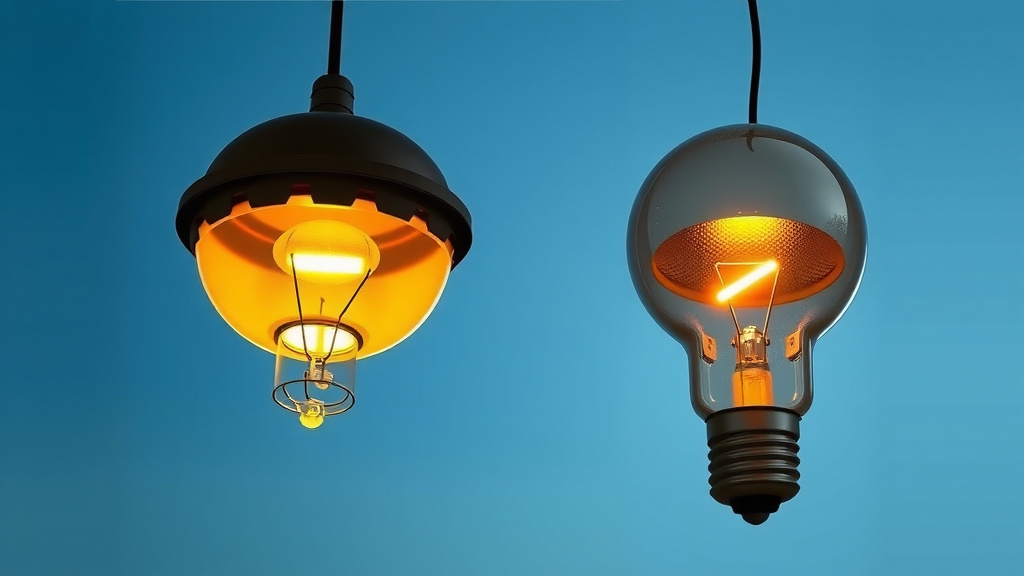
Why HPS Is More Common Today
If you’re installing new lighting or replacing old fixtures, you’ll likely encounter HPS lamps more often. Why? It boils down to a few key advantages that have made them the go-to choice for many applications.
Cost-Effectiveness Over Time
While the initial bulb cost might be similar, the energy savings from HPS lamps add up quickly. Over the life of the lamp, you’ll spend less on electricity. This makes them a more economical choice in the long run.
Better Light for More Uses
The warm, inviting light of HPS lamps is perfect for creating a safe and visible environment. For applications like street lighting, this color is considered ideal for nighttime visibility. Its effectiveness in greenhouses also gives it an edge.
Environmental Considerations
Mercury vapor lamps contain mercury, a substance that requires careful disposal. While HPS lamps also contain mercury, the drive towards more efficient lighting often favors technologies with better energy performance and fewer hazardous materials where possible.
We found that regulations and environmental concerns are pushing many applications away from older MV technology.
Making Your Lighting Choice: A Quick Checklist
Still weighing your options? Here’s a quick way to think about which lamp might be best for you:
- Do you need maximum energy efficiency? Go with HPS.
- Is a warm, yellow-orange light okay or desirable? HPS is your friend.
- Do you prefer a cooler, bluer light? MV offers that, but consider newer alternatives.
- Is long-term cost savings a priority? HPS usually wins due to lower energy bills.
- Are you replacing an old fixture or installing new lighting? HPS is more widely available and supported.
- Is ease of disposal a concern? Check local regulations for both, but newer options are often better.
Conclusion
When choosing between High Pressure Sodium (HPS) and Mercury Vapor (MV) lamps, we found that HPS is generally the superior choice for modern lighting needs. You’ll get better energy efficiency, leading to lower electricity bills, and a warmer, more inviting light. While MV lamps served us well historically with long lifespans and a cooler light, their inefficiency and the availability of better alternatives make them less common today. Before making a final decision, consider your specific lighting purpose and check local regulations for disposal.
Frequently Asked Questions
Are mercury vapor lamps still a good choice for new installations?
Generally, no. Mercury vapor lamps are significantly less energy-efficient than HPS and newer LED technologies. You’ll likely find that newer HPS or LED options provide better performance and lower running costs for any new lighting project.
Which lamp type is better for plant growth in greenhouses?
High Pressure Sodium (HPS) lamps are typically preferred for greenhouse cultivation. Their light spectrum is rich in red and yellow wavelengths, which research shows can be beneficial for flowering and fruiting stages of plant growth.
Will HPS light make colors look strange?
HPS lamps produce a warm, yellowish-orange light. While it’s great for visibility, we found that it can sometimes distort the true colors of objects, making them appear more yellow or orange. It’s not ideal if accurate color rendering is critical for your application.
How does the lifespan of HPS compare to older MV bulbs?
Historically, mercury vapor lamps were known for extremely long lifespans. However, modern HPS lamps offer a good, reliable lifespan that is often comparable or even better than older MV technology, especially when considering that MV technology is being phased out.
Is mercury vapor lighting being phased out?
Yes, in many regions, mercury vapor lamps are being phased out due to their low energy efficiency and the presence of mercury, which requires special disposal. You’ll find that regulations are increasingly favoring more energy-efficient and environmentally friendly lighting solutions like HPS or LEDs.

![10 Best Affordable Sad Lamps [2026]](https://bestdesklamp.com/wp-content/uploads/2026/09/10-best-affordable-sad-lamps-2026-featured-768x432.jpg)