How Long Should a Heat Lamp Be On for a Bearded Dragon?
Your bearded dragon’s heat lamp should stay on for 10 to 12 hours every day, mirroring a natural daylight cycle. The easiest rule to follow is to turn it on in the morning and switch it off at night, so your dragon gets a proper day-and-night rhythm.
Why does timing matter so much? Because heat lamps do more than keep the tank warm — they help your dragon digest food and produce vitamin D3, which keeps their bones strong. Many experts also say that leaving the lamp on overnight can disrupt your pet’s sleep and cause stress. And if you’re wondering whether that little guy needs warmth at night, the answer is usually no, as long as the tank doesn’t drop below around 65°F.
Here’s the quick version before we get into the details:
- Keep the heat lamp on for 10 to 12 hours per day.
- Turn it off at night so your dragon can sleep.
- Use a timer so you never forget.
- If nights get chilly, a ceramic heat emitter (no light) can keep things warm.
- Match the light schedule to the seasons if you want to be extra thorough.
Below, we break down everything you need to know about heat lamp timing — including seasonal tweaks, night-time temps, and the gear that makes it all effortless. Let’s dive in.
Getting the Heat Lamp Schedule Right for Your Bearded Dragon
Most beardies do best with 10 to 12 hours of heat and light each day. We found that reptile keepers and many vets treat this as the standard baseline for adult dragons. It copies the daylight they’d get in the wilds of Australia.
Think of it this way: your dragon’s body runs on a clock. When the lamp goes off, that clock tells their body it’s time to rest. Skip that “off” switch, and you’re basically making them live in a hotel lobby where the lights never dim.
Why the Day-Night Cycle Matters So Much
Bearded dragons are diurnal, which is a fancy way of saying they’re awake during the day and asleep at night. Just like you, they need darkness to get real rest. Studies on reptile care, including guidance referenced by organizations like the Association of Reptilian and Amphibian Veterinarians, point to consistent light cycles as a key part of reptile health.
When the lights stay on too long, dragons can get stressed and grumpy. They may eat less, hide more, or start glass-surfing like they’re trying to escape. When lights go off too early, they miss out on hours of basking time they need for digestion.
What Happens If the Heat Lamp Stays On 24/7?
Nothing good, honestly. Your dragon never gets a true night, which can throw off their sleep and appetite. Many experts say constant light and heat can lead to long-term stress, and a stressed dragon is more open to illness.
There’s also a practical issue. The basking spot never cools down, so your pet can’t regulate their own body temperature. Reptiles need that cool-down period, just like we need to step out of the sun sometimes.
Seasonal Timing: Should the Schedule Change?
Here’s a nice bonus if you like being thorough: you can match the lamp schedule to the seasons. In the Australian outback, summer days run longer than winter days. Some keepers use 14 hours in summer and drop to around 10 hours in winter.
| Season | Hours of Heat/Light | Notes |
|---|---|---|
| Summer | 13–14 hours | Mimics longer wild days |
| Spring/Fall | 11–12 hours | A comfortable middle ground |
| Winter | 10 hours | Some dragons naturally eat less now |
If this feels like too much bookkeeping, don’t sweat it. A steady 12 hours on, 12 hours off year-round works fine for most pets. Consistency beats perfection every time.
What About Nighttime Heat?
This is the question we hear most: “My house gets cold at night — doesn’t my dragon need heat then?” The answer depends on one number. If your tank stays above 65°F at night, you’re in the clear.
Many care guides, including resources from reptile rescues and university extension programs, recommend that nighttime lows stay between 65 and 75°F. Below that, you’ll want a little backup warmth.
Using a Ceramic Heat Emitter at Night
A ceramic heat emitter is your best friend here. It screws into a normal lamp fixture but produces heat with no light at all. Your dragon stays warm and still gets a dark, sleepy tank.
Never use a colored bulb — red, blue, or otherwise — for nighttime heat. Some keepers assume red light is “invisible” to reptiles. Research suggests that reptiles can see red light, so it can still disturb their sleep. Dark means dark.
Setting Up the Night Heat Safely
Place the emitter so it warms one side of the tank, not the whole thing. Your dragon should be able to move to a cooler zone if they want. Use a thermostat to keep the warm side from getting too toasty.
Temperatures to Aim For Under the Lamp
Timing is only half the picture. The temperatures under your lamp matter just as much. Here’s what to shoot for:
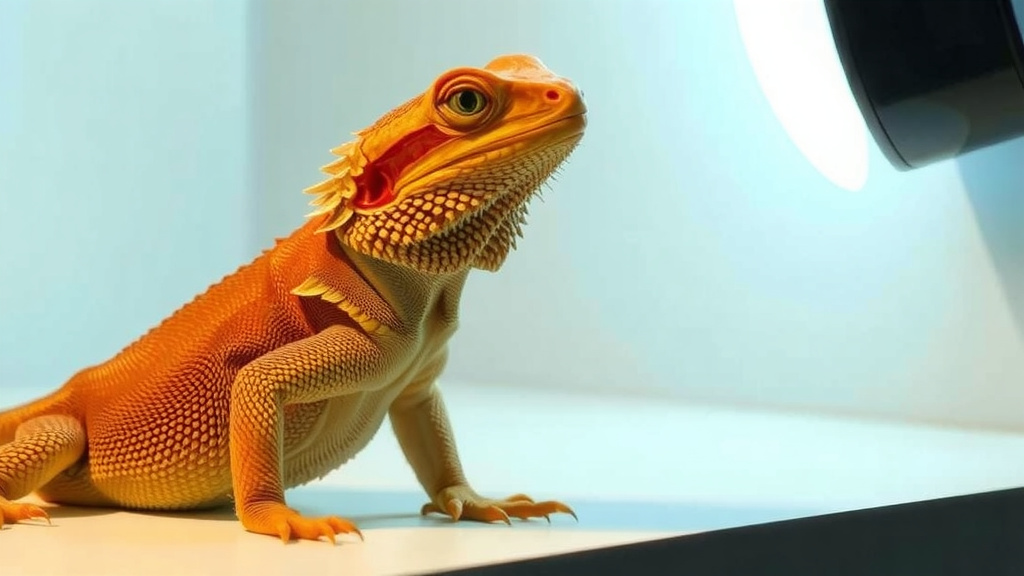
- Basking spot: 95–105°F for adults, up to 110°F for babies
- Warm side of the tank: 85–92°F
- Cool side: 75–85°F
- Nighttime low: no colder than 65°F
Grab a digital thermometer or a temperature gun. The little stick-on dials are cheap, but they’re often off by 10 degrees or more. That’s the difference between a happy lizard and one that’s too cold to digest dinner.
Should You Use a Timer? (Yes. Absolutely.)
We’ll be honest with you: the number one reason dragons get bad light schedules is simple human forgetfulness. You had a long day, you got home late, and suddenly the lamp ran 16 hours. A $10 outlet timer fixes that forever.
Set it once and forget it. Your dragon gets the same schedule every single day, even when you’re on vacation or stuck in traffic. It’s the closest thing to “autopilot” in reptile keeping.
Two Timers Are Better Than One
Here’s a pro move from experienced keepers: use separate timers for your heat lamp and your UVB light. They usually run the same hours, but separate timers mean one burned-out timer won’t leave your dragon in the dark. Just make sure both are set to the same on/off times.
Heat Lamp Setup Checklist for Beginners
Before you go, run through this quick list. It takes two minutes and saves a lot of headaches:
- Set your lamp to run 10–12 hours daily
- Plug everything into a timer (set it and forget it)
- Check basking temps with a digital thermometer
- Confirm nighttime temps stay above 65°F
- Swap to a ceramic heat emitter if winter nights run cold
- Replace basking bulbs every 6 months, even if they still light up
Common Timing Mistakes to Avoid
Even caring owners slip up here. Watch out for these three traps:
Mistake one: running the lamp on vibes instead of a schedule. Dragons thrive on routine. Random on/off times confuse their internal clock.
Mistake two: leaving the lamp on overnight “just in case.” We get it — you’re worried about your pet. But a cool night is natural and healthy. Save the overnight heat for genuinely cold rooms.
Mistake three: trusting your feelings about tank temps. Your hand is a terrible thermometer. Buy the digital one. Your dragon will thank you in their own silent, smug lizard way.
Conclusion
Getting your bearded dragon’s heat lamp schedule right is one of the simplest things you can do for their health. Keep it on for 10 to 12 hours a day, shut it off at night, and let your pet enjoy a proper dark, cool rest period. If your home gets chilly after sunset, a ceramic heat emitter has you covered. And honestly, a cheap outlet timer removes all the guesswork. We found that keepers who stick to a steady routine end up with happier, better-eating dragons. Your next step? Grab a timer and a digital thermometer today, set your schedule, and let your beardie enjoy the consistent daylight they were made for.
Frequently Asked Questions
Can I leave my bearded dragon’s heat lamp on while I’m at work?
Yes, and you should. The lamp should run during normal daylight hours whether you’re home or not. A timer makes this automatic, so your dragon gets the same schedule every day without you lifting a finger.
Do baby bearded dragons need the heat lamp on longer than adults?
Not really. Babies need warmer basking temperatures, up to 110°F, but the daily on/off schedule stays about the same at 10 to 12 hours. Focus on hitting the right temps rather than extending the hours.
Should my bearded dragon’s UVB light and heat lamp turn on at the same time?
Yes, in most setups they run on the same schedule. Turning both on together in the morning and off together at night mimics a natural sunrise and sunset. Just verify they’re set to identical times if you use separate timers.
What if I forget to turn the heat lamp off one night?
One late night won’t hurt your dragon, so don’t panic. Just turn it off as soon as you remember and get back to your normal schedule the next day. Consistency over weeks and months is what matters, not a single slip-up.
Can I use a smart plug instead of a regular timer for my heat lamp?
Absolutely. Smart plugs work just like outlet timers, and many let you adjust the schedule from your phone. Just pick one rated for the wattage of your bulb and heat fixtures so it can handle the load safely.