How Long Should Ducks Stay Under a Heat Lamp? Guide
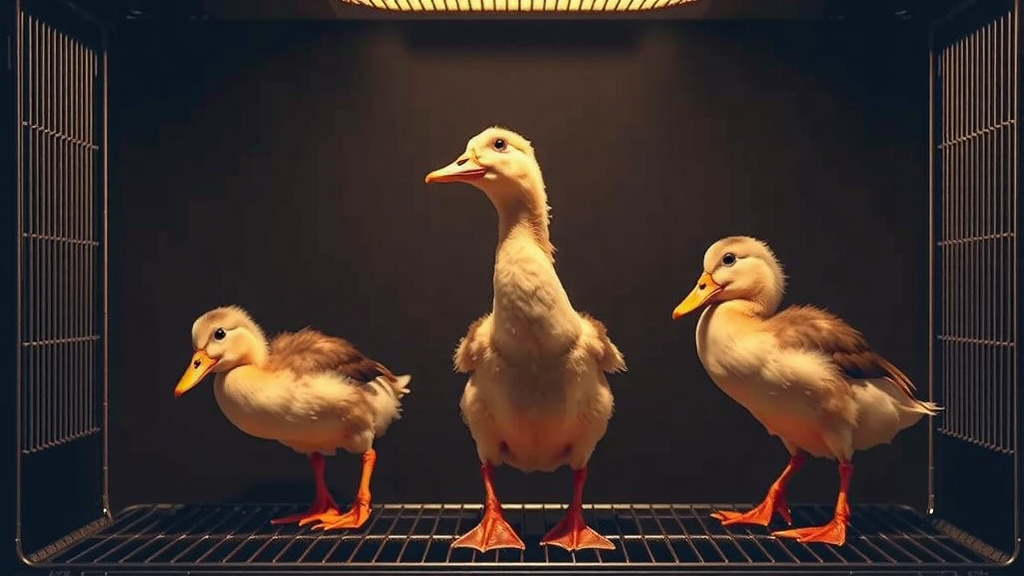
Ducklings need a heat lamp until they’re fully feathered, which usually takes 5 to 8 weeks. The exact timing depends on the room temperature where they’re brooding and how fast those little feathers come in. If your ducklings still have patches of fuzzy down, they’re not ready yet. Raising baby chicks too? Our guide explains how long chicks need a heat lamp.
Why does feather coverage matter so much? Feathers are a duckling’s built-in insulation, and until they grow in, ducklings can’t regulate their own body temperature. Many experts say a good rule of thumb is to watch your birds, not just the calendar. If they’re huddled under the lamp, they’re cold. If they’re panting and spread out, they’re too hot. We found that reading these behavioral cues is more reliable than any fixed date.
Quick overview:
- Ducklings typically need heat for 5 to 8 weeks, sometimes longer in cold weather.
- Start the lamp at around 90°F for the first week, then drop it about 5°F each week.
- Fully feathered ducklings can handle normal outdoor temperatures without extra heat.
- Watch their behavior — huddling means too cold, panting means too warm.
- Turn the lamp off gradually rather than all at once to avoid shocking them.
Below, we break down everything you need to know about heat lamp timing, temperatures, and weaning ducklings off the warmth — step by step, so you can raise happy, healthy ducks with confidence.
How Long Ducklings Stay Under a Heat Lamp
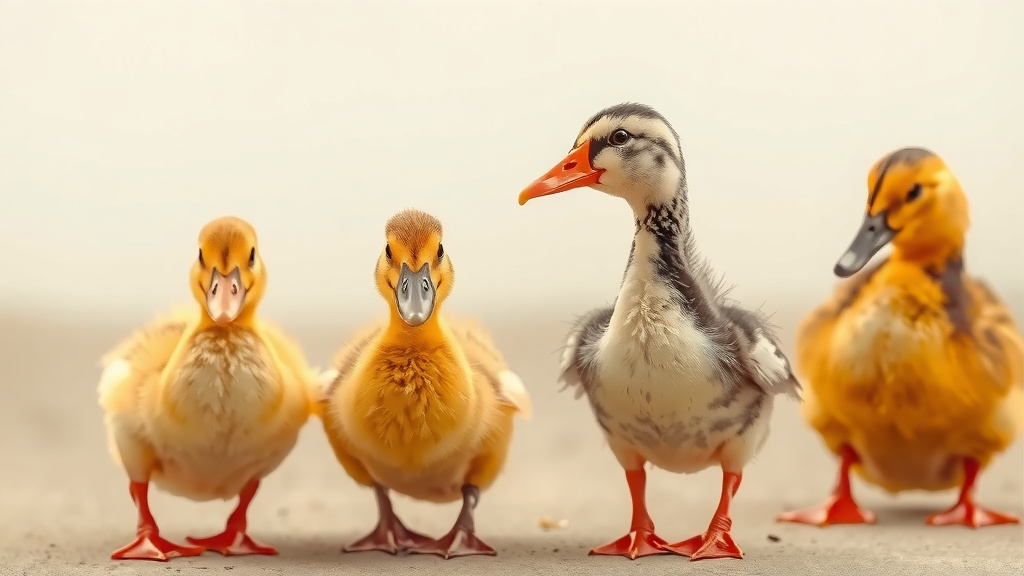
Most ducklings stay under a heat lamp for about 5 to 8 weeks, but the real answer is written on their feathers, not on a calendar. We found that feather coverage is the single best signal. When you see full feathering across the body — no bald patches, no fluffy down on the back — your ducklings are ready to go it alone.
Think of it like a teenager getting their first winter coat. Until that coat arrives, you keep them warm. After it arrives, they handle the weather themselves. Many experts say the same applies to ducklings and their grown-in feathers.
Here’s what changes week by week as they grow:
- Weeks 1–2: Mostly down. They need real warmth and a proper temperature zone.
- Weeks 3–5: Feathers start sprouting. Heat needs drop fast.
- Weeks 6–8: Nearly feathered. Time to taper off the lamp.
The Right Temperature Week by Week
Start your brooder at 90°F for the first week. Then lower it by about 5 degrees each week. This gradual drop mimics what a mother duck would do naturally, and it helps their bodies adjust without a shock.
We found that a simple thermometer clipped at duckling level takes all the guesswork out. Don’t trust the one on the wall — it reads the room, not the brooder floor where your birds actually live.
| Duckling Age | Lamp Temperature | What to Watch |
|---|---|---|
| Week 1 | 90°F | They spread out near the heat, not huddled |
| Week 2 | 85°F | First feather tips appear on wings |
| Week 3 | 80°F | Tail feathers coming in |
| Week 4 | 75°F | Body feathers filling in |
| Week 5 | 70°F | Less time under the lamp |
| Weeks 6–8 | Off or ambient | Fully feathered, ready for outdoors |
Reading Duckling Behavior
Your ducklings will tell you everything if you know their language. We found that behavior beats the thermometer almost every time.
Signs They’re Too Cold
Cold ducklings huddle tightly under the lamp, sometimes piling on each other. They may peep loudly and constantly. It sounds like a tiny, stressed orchestra. If you see this, lower the lamp or add a bulb.
Signs They’re Too Hot
Hot ducklings do the opposite. They pant, spread their wings, and push as far from the lamp as the brooder allows. Some will press against the far wall. If you spot panting, raise the lamp a few inches right away.
Signs the Temperature Is Just Right
Comfortable ducklings wander the whole brooder. They eat, drink, nap in random spots, and make soft, contented chatter. Some sleep in a loose group, others sprawl solo like tiny sunbathers. This is the goldilocks zone you want.
Why Heat Lamps Beat Mother Nature in a Brooder
A mother duck provides warmth through body contact, adjusting constantly as her ducklings move in and out of her feathers. A heat lamp does the same job, just with less charm and more electricity. In a brooder setup, the lamp is doing the mama duck’s work, so getting the distance and wattage right matters.
Choosing the Right Bulb
Many backyard duck keepers use a standard red 100–250 watt bulb. Red light is gentler than bright white — it won’t disturb their sleep, and research on poultry lighting suggests birds rest better under red light than constant bright illumination. If you’re still choosing gear, our roundup of the best brooder lamp options covers safe, reliable picks.
Safe Lamp Setup Basics
- Secure the lamp with a chain or clamp, never just the clip alone.
- Keep the bulb at least 18 inches above bedding.
- Keep cords away from water spills.
- Use a thermometer at duckling height, not at lamp height.
- Have a spare bulb on hand. Bulbs love to burn out at midnight.
Weaning Ducklings Off the Heat Lamp
Don’t go from toasty to cold overnight. A sudden change can stress young birds. We found that gradual weaning works best, and many experts agree it helps ducklings transition without setback.
The Step-Down Method
Once they’re mostly feathered, start turning the lamp off during the warmest part of the day. Leave it on overnight. After a few days, try a full day without heat, then a full night. If they stay comfortable and active, you’re done. If they huddle, back up a step.
Your Weaning Checklist
- Full feather coverage with no downy patches
- Outdoor temps staying above 50–60°F, ideally
- Lamp off successfully during daytime hours
- No huddling or loud distress peeping
- Normal eating and drinking without the lamp on
Does Weather and Season Change the Timeline?
Absolutely. Ducklings brooded in a cold garage in February may need heat for 9 or 10 weeks. Summer brooders in a warm room might wrap up at 5 weeks. The calendar gives you a range; the feathers and the weather give you the answer. Trust what you see, not what the calendar promises.
Common Heat Lamp Mistakes to Avoid
We found that most duckling problems come from a handful of fixable mistakes. A quick scan of this list could save you a very stressful week:
- Using the lamp as a timer. Feathers decide, not weeks on a calendar.
- One temperature zone only. Ducklings need room to move cooler if they choose.
- Skipping the thermometer. Guessing is how panting happens.
- Drafty brooders. Wind chill makes warm air useless to a small bird.
- Keeping water too close to the lamp. Ducklings will splash it into everything, including near cords.
- Turning heat off all at once. Gradual weaning prevents stress.
What Happens If Ducklings Get Chilled?
A chilled duckling isn’t a lost cause, but it needs quick attention. Bring it into warmth, offer water with a little electrolyte support, and let it recover slowly. Cornell University’s poultry resources note that young birds lose body heat rapidly because of their high surface-area-to-weight ratio — which is exactly why consistent brooder warmth matters so much in the first weeks.
Watch for lethargy, refusing food, or a duckling that won’t stand. If things don’t improve within a few hours of warming, a veterinarian visit is the smart move. It’s always better to ask a professional than to wait and worry.
Conclusion
Raising ducklings under a heat lamp comes down to three things: start at 90°F, drop 5 degrees each week, and let fully grown feathers tell you when it’s over. Most birds finish the job somewhere between 5 and 8 weeks, though a chilly garage or a warm summer room can shift that timeline either way.
More than anything, trust your eyes. Huddled babies need more warmth, panting ones need less, and calm, wandering ducklings mean you’ve nailed it. We found that the keepers who watch behavior and wean gradually end up with the smoothest transitions.
Your next step is simple: clip a thermometer at duckling level today and check it against the week-by-week chart above. Adjust the lamp height until you see relaxed, happy birds, then let the feathers do the rest.
Frequently Asked Questions
Can I use a heating pad instead of a heat lamp for ducklings?
You can, though most keepers find lamps easier to adjust as temperatures change week by week. If you go the pad route, look for one designed for poultry brooding, not a human heating pad. Make sure ducklings still have room to move away from the warmth so they can self-regulate.
Do ducklings need the heat lamp on at night?
Yes, until they’re fully feathered and weaned off heat. Nighttime temperatures drop, and young ducklings can’t handle that chill on their own. Once you begin the step-down process, overnight heat is the last thing to go.
What wattage bulb should I use for a duckling brooder?
Most brooders do well with a 100-watt red bulb, but the right wattage depends on brooder size and room temperature. Rather than fixating on wattage, watch the thermometer at duckling level and adjust until you hit your target temperature. A smaller brooder may only need 60 watts.
Is it safe to leave a heat lamp on overnight or while I’m at work?
It can be safe, but only with proper setup. Secure the lamp with a chain or clamp so it can’t fall, keep cords away from water, and use a bulb rated for continuous use. We recommend checking on the brooder at least once or twice a day until weaning is complete.
What temperature is too cold for fully feathered ducklings?
Fully feathered ducks handle cool weather surprisingly well, but sustained temperatures below 50°F are tough on birds that just weaned off heat. If you’re moving them outside during a cold snap, give them a sheltered spot or temporary windbreak. Once they’re adults with full feathering and a dry coop, they’ll shrug off winter just fine.