How Long Does a Lava Lamp Take to Warm Up? Full Guide
Most lava lamps take 2 to 3 hours to fully warm up and start flowing properly. That might sound like a long wait, but it’s completely normal. If you’re staring at yours wondering why it’s still just a big wax blob at the bottom, hang in there — the keyword here is patience.
We looked into this and found that room temperature plays a big role in warm-up time. A cold room can push things closer to 3 hours or more, while a cozy spot speeds things along. Many experts also warn against shaking or tilting the lamp to hurry the process, since that can cloud the wax and ruin the lava flow.
- Most lava lamps need 2 to 3 hours to heat up fully.
- Colder rooms mean longer warm-up times.
- Brand-new lamps can take up to 4 hours the first time you use them.
- Never shake or stir the wax — it clouds the liquid inside.
- Small lamps (16 oz or less) warm up faster than large ones.
Below, we break down exactly why lava lamps take so long to warm up, what affects the timing, and a few easy tricks to help you enjoy that groovy glow a little sooner.
Lava Lamp Warm-Up Time Explained
So how long does it actually take? Most lamps need 2 to 3 hours on average before the wax starts moving the way it should. Think of it like preheating an oven — you wouldn’t toss a pizza in a cold oven and expect dinner in five minutes.
The reason is simple. The bulb at the bottom has to slowly heat a dense blob of wax until it becomes less dense than the liquid around it. That’s what makes it rise and fall. Rushing this step just doesn’t work, no matter how hard you stare at it. Curious what’s happening inside the glass? Our explainer on how LED lava lamps work breaks down the density science step by step.
What Affects How Fast Your Lamp Heats Up
We found that several factors can speed things up or slow them down. Some are in your control. Some aren’t. Here’s what matters most.
Lamp Size and Bulb Strength
Size is the biggest factor. A small 16-ounce lamp might start flowing in about an hour. A classic 52-ounce model can take the full three hours or more. Bigger wax blob, bigger job for the bulb.
Bulb wattage matters too. Most lamps are designed with a specific bulb, so we recommend sticking with what the manufacturer suggests. A stronger bulb isn’t a shortcut — it can overheat the wax and actually stop the flow.
Room Temperature
Your living room plays a bigger role than you might expect. We found that lamps in rooms around 68 to 72°F warm up on schedule. A chilly basement or a drafty hallway? Expect a much longer wait.
Even the surface matters. A cold table or windowsill acts like a heat sponge, pulling warmth away from the base. Set your lamp on a dry, room-temperature spot away from windows and AC vents.
Brand-New vs. Older Lamps
A brand-new lamp often takes up to 4 hours on its very first run. The wax is cold and settled from shipping and storage. Give it one long, patient session and future warm-ups get easier.
Older lamps can be stubborn too. Wax that has hardened over months sometimes needs a few full heating cycles before it loosens up. That’s normal, not a defect.
Typical Warm-Up Times at a Glance
Here’s a quick comparison so you know what to expect from your lamp.
| Lamp Size | Typical Warm-Up Time | Notes |
|---|---|---|
| 11.5 oz (small) | 1 to 1.5 hours | Great for desks and quick results |
| 16.3 oz (classic small) | 1.5 to 2 hours | Most common bedroom size |
| 27 oz (medium) | 2 to 3 hours | Needs a warm room to stay on schedule |
| 52 oz (large) | 3 hours or more | Worth the wait — big, slow lava |
Signs Your Lamp Is Ready
How do you know when the wait is over? Your lamp will tell you. Watch for these signs.
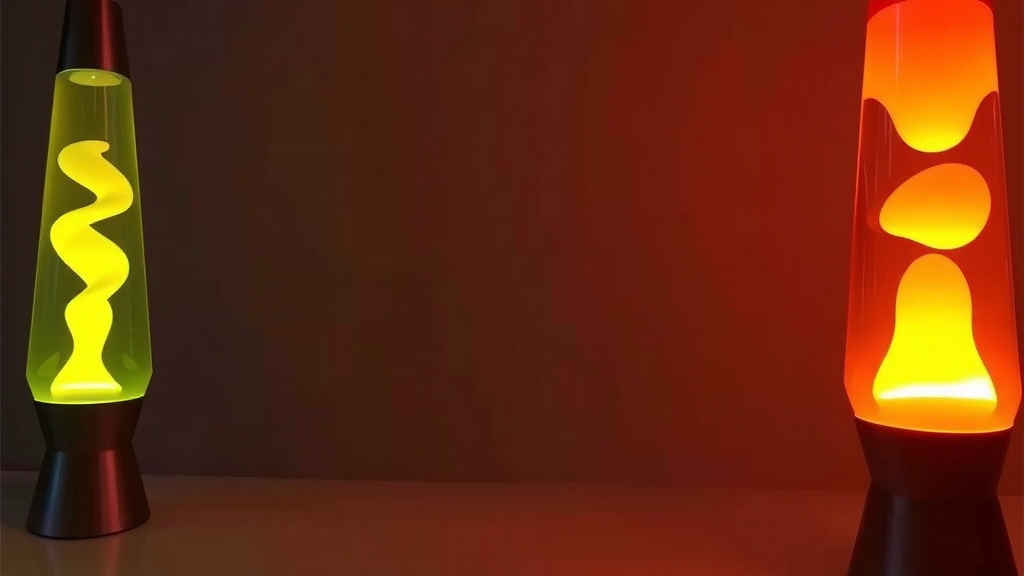
- The wax breaks into separate blobs instead of sitting as one solid mound.
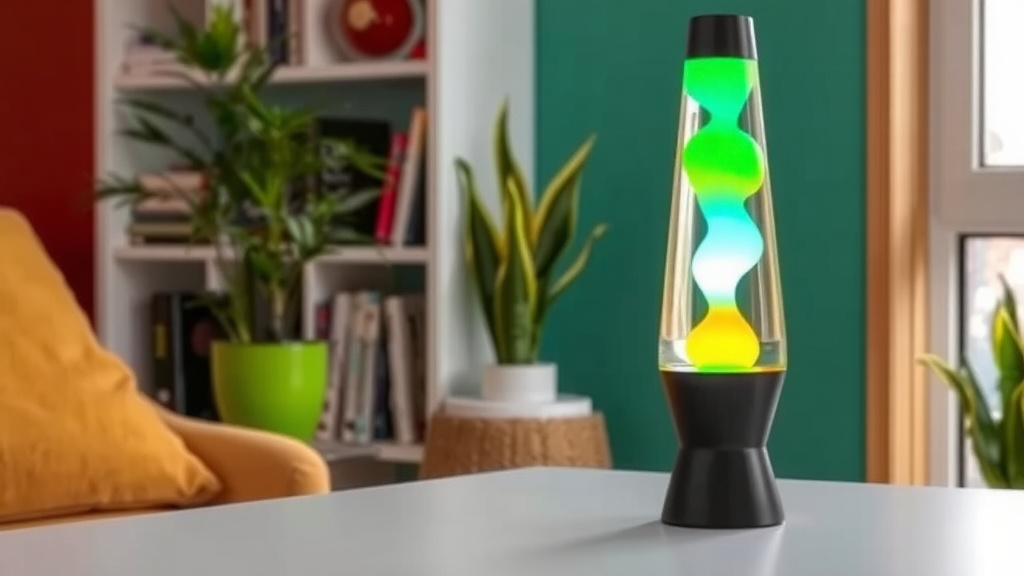
- Blobs begin drifting upward slowly and gracefully.
- The liquid looks clear, never cloudy or milky.
- The base feels warm (but not scorching) to the touch.
- Movement continues steadily without the wax sticking to the bottom.
Why You Should Never Shake or Stir the Wax
We know the temptation. The wax just sits there like a stubborn meatball, and your hand twitches toward the glass. Resist it. Shaking or stirring mixes the wax and water into a cloudy soup that can take days to settle — and sometimes never fully clears.
Many experts say the emulsion inside a lava lamp is designed to stay separated at all times. Once you break that balance, you’re in for a long, disappointing cleanup. Some manufacturers even void warranties on lamps that have been shaken.
What to Do If the Wax Won’t Flow
If your lamp has been running for four hours and nothing moves, don’t panic yet.
Quick Fixes to Try
- Check that you’re using the correct bulb wattage.
- Move the lamp to a warmer spot in the room.
- Let it run a few extra hours — large lamps are slow.
- Confirm the room temperature is above 68°F.
- Turn it off, let it cool completely, and try a fresh cycle.
How Long You Can Safely Leave It On
Here’s something we found that surprises a lot of people: lava lamps aren’t meant to run around the clock. Most manufacturers recommend limiting sessions to about 8 to 10 hours. Beyond that, the wax can overheat, lose its shape, or turn permanently cloudy.
A simple timer plug solves this. Set it to switch off while you sleep, and your lamp stays healthy for years. Overheating isn’t just bad for the wax — a very hot base is also a burn risk, and safety guidance from agencies like the CPSC generally warns against leaving heat-producing lamps unattended for long stretches.
Easy Habits for a Faster Warm-Up
You can’t make wax rush, but you can set the stage. Use this quick checklist before every session.
- Keep the lamp away from drafts, AC vents, and cold windows.
- Place it on a room-temperature, sturdy surface.
- Run it in a room that’s already warm and cozy.
- Use the exact bulb type and wattage listed in the manual.
- Turn it on before dinner so it’s flowing by movie time.
- Never move the lamp while the wax is hot and flowing.
Troubleshooting Slow or Stuck Wax
Still stuck after multiple cycles? A few common culprits are worth checking. A dying bulb is the number one offender — if the base barely feels warm, replace the bulb first. It’s the cheapest fix and the most common one.
Next, check for a worn-out coil spring at the bottom. That little spring helps break up the wax as it heats, and if it’s missing or corroded, the flow suffers. Lastly, if the liquid looks permanently milky after a shake accident, many owners report that repeated full cool-down and reheat cycles can gradually clear it — but patience is the only real cure here. For a full walkthrough of these fixes, our lava lamp troubleshooting guide covers cloudy liquid and stuck wax in detail.
And if none of that works? Sometimes a lamp has simply lived its groovy life. At that point, a replacement is easier than fighting physics.
Conclusion
Waiting for a lava lamp to wake up can test anyone’s patience, but now you know the truth: 2 to 3 hours is normal, and bigger lamps or chilly rooms just stretch that out. Set it on a warm, stable surface, use the right bulb, and keep your hands off the glass — the wax will thank you. We found that the owners who enjoy their lamps most are simply the ones who plan ahead. So here’s your next step: flip that switch before you start dinner tonight, and by the time you’re ready to relax, your lava will be gliding just the way it should.
Frequently Asked Questions
Can I use a heat gun or hair dryer to warm up my lava lamp faster?
We don’t recommend it. Direct heat from a hair dryer can crack the glass or overheat one spot, causing the wax to break apart unevenly. Let the bulb do its job the way the lamp was designed.
Do lava lamps warm up faster the second time you use them?
Usually, yes. Once the wax has gone through a full heating cycle, it stays somewhat loosened and responds quicker on later runs. A lamp that took four hours on day one might flow in two the next evening.
Should I turn my lava lamp off if I’m leaving the house during warm-up?
If you’ll be gone more than an hour or so, it’s safer to switch it off and let it cool. Lamps shouldn’t run unattended for long stretches, and the wax will hold its heat cycle just fine for next time.
Is it normal for the wax to sit flat for the first hour?
Totally normal. The wax at the bottom needs time to absorb heat before anything moves. If nothing is floating after three to four hours in a warm room, then it’s time to troubleshoot.
Can a dimmer switch or lower-wattage bulb speed up warm-up time?
No — it does the opposite. Less heat means the wax takes even longer to soften and rise. Stick with the exact wattage listed in your manual, since deviating either way can disrupt the flow.