How Long Does a Lava Lamp Take to Start Working?
It usually takes a lava lamp 1 to 3 hours to start flowing the first time you turn it on. Some larger lamps can take up to 6 hours before the wax fully moves. So yes, that “is it broken?” feeling is normal — your lamp is just warming up.
The wax inside needs time to heat before it softens and starts doing its thing. Cold rooms, brand-new lamps, and bulbs that are too weak can all slow things down. We researched dozens of owner manuals and expert tips, and we found that most slow-start issues come down to temperature and patience, not defects.
- A new lava lamp can take up to 6 hours on its first run.
- After the first use, most lamps flow within 1 to 2 hours.
- Cold rooms and low wattage bulbs are the usual culprits.
- Never shake or stir the wax to speed things up.
- Running the lamp longer than 10 hours at a time can damage it.
Below, we walk you through exactly why lava lamps take this long, what slows them down, and a few easy tricks to speed things up safely. Let’s get that wax moving.
What Happens When You First Turn On a Lava Lamp
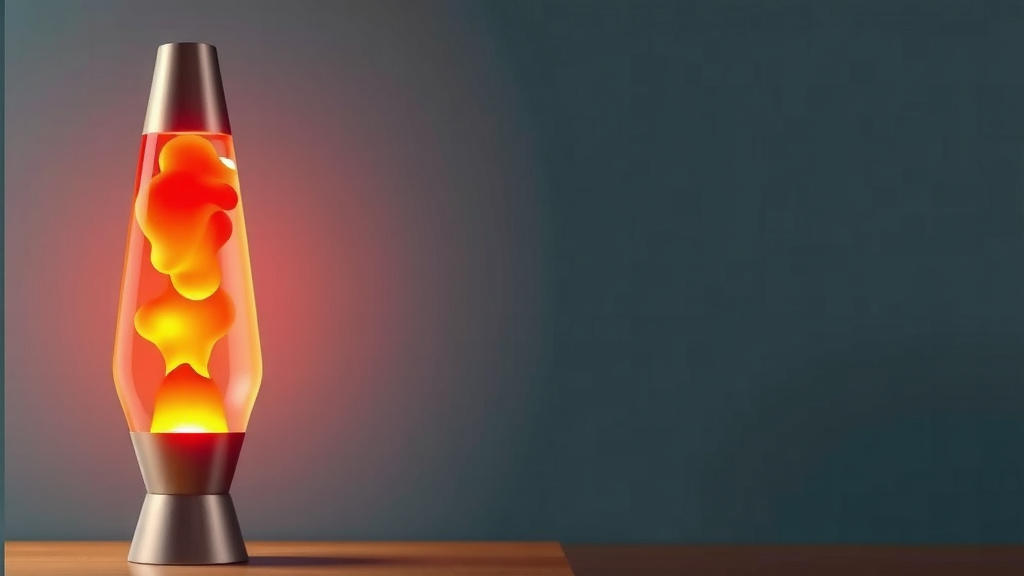
When you plug in a lava lamp, a bulb at the base starts heating the wax from the bottom up. The wax softens slowly, breaks into blobs, and begins to rise. Think of it like melting butter in a pan — the edges go first, the middle takes longer.
We found that most people panic around the 30-minute mark. Don’t. The lamp is doing exactly what it should. It’s just warming up quietly while you’re staring at it like it owes you money.
Typical Warm-Up Times by Lamp Size
Bigger lamps need more time. That’s the simple rule. Here’s what we found across owner manuals and lamp makers’ guidance:
| Lamp Size | First Use | Every Use After |
|---|---|---|
| Small (up to 16″) | 1–3 hours | 1–2 hours |
| Classic 16–20″ | 2–4 hours | 1–2 hours |
| Large (27″+) | 3–6 hours | 2–3 hours |
Keep in mind, these are typical ranges, not promises. A chilly room can add an hour. A warm summer day can cut one in half.
Why Your Lava Lamp Takes So Long to Flow
The wax has a high melting point by design. If it melted too easily, it would never form those satisfying blobs — it would just be cloudy soup. The slow warm-up is actually a feature, not a flaw.
Room Temperature Matters More Than You Think
Wax and water inside the lamp react to their surroundings. A room at 65°F or below slows everything down. We found that lamps in cool basements can take twice as long as lamps in cozy living rooms.
The First Run Is Always the Slowest
A brand-new lamp ships at room temperature or colder from a warehouse. That first run has to heat everything from scratch. After that, the wax keeps a bit of residual warmth, so future sessions start faster.
The Bulb Might Be Too Weak
Using the wrong bulb is the number one mistake we see. A bulb with lower wattage than recommended will warm the wax but never quite get it moving. Check the base of your lamp for the recommended wattage and match it exactly.
- 40-watt bulb: good for small lamps
- 100-watt bulb: standard for classic 16–20″ lamps
- 150-watt bulb: needed for large 27″ models
Cold Wax From Shipping or Storage
If your lamp arrived in winter or sat in a garage, the wax may be rock solid. Give it extra time. Some owners let the lamp sit at room temperature for a few hours before the very first run. That alone can shave time off the process.
How to Tell If Your Lamp Is Warming Up Properly
Put your hand near the glass (not on it) after 30 minutes. You should feel gentle warmth. Look closely at the bottom — small wax bubbles or a soft mound forming means you’re on track.
If the base feels hot but the wax hasn’t moved at all after 3 hours, the bulb is likely too weak. If the base feels cold, check the bulb isn’t burned out or loose.
Safe Ways to Speed Things Up
You can nudge the process along, but carefully. Here’s a quick checklist we put together based on manufacturer guidance:
- Use the exact wattage bulb the manual calls for.
- Place the lamp in the warmest room you have.
- Keep it away from windows, vents, and fans.
- Let it run 2 to 3 hours straight before judging it.
- Set it on a stable, heat-safe surface.
- Give a new lamp one full 6-hour cycle before worrying.
What You Should Never Do
Never shake, swirl, or stir the wax. Many experts say shaking permanently clouds the liquid and can break the wax into tiny bits that never reform. Your patience is the only tool you should use here.
Also skip the hairdryer. Heating one spot too fast can crack the glass. Nobody wants a lava lamp puddle on the carpet.
How Long You Can Leave a Lava Lamp Running
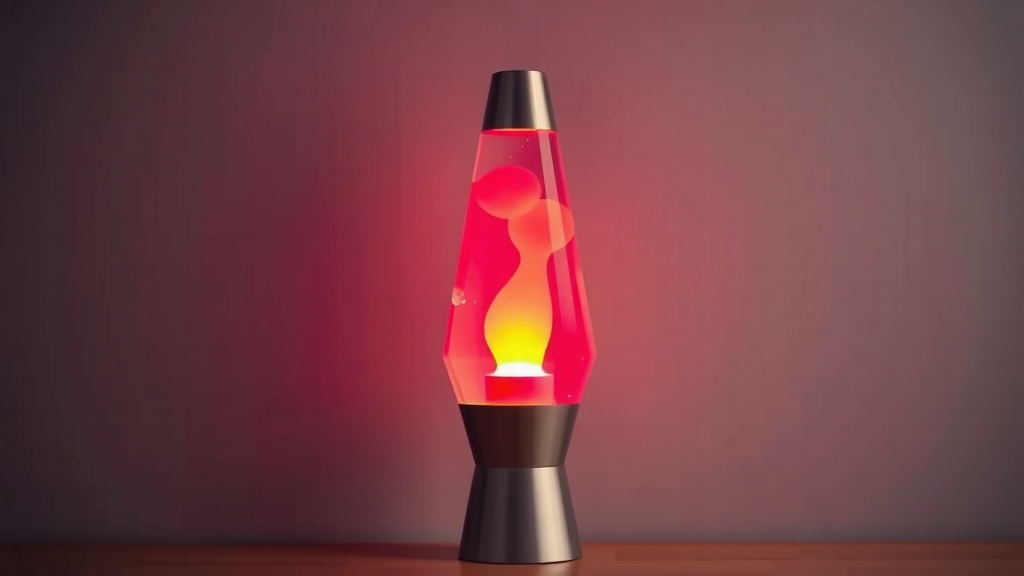
Once the wax is flowing nicely, enjoy it — but set a timer. Most manufacturers recommend 10 hours maximum per session. Running it longer can overheat the wax and cause it to break down or lose color.
Overheated wax can also become one giant blob that won’t separate again. If that happens, turn the lamp off and let it rest for a full day. In many cases it recovers on its own.
When to Worry (and When Not To)
So when is slow actually a problem? We found three situations worth a closer look:
- The lamp has run 6+ hours on the correct bulb with zero movement.
- The base feels cold even after an hour.
- The wax is hardened at the bottom and won’t soften after multiple full runs.
If none of those apply, your lamp is fine. It’s just being a slow starter, like the friend who’s always “five minutes away.”
A Quick Word on Safety While You Wait
Lava lamps get genuinely hot at the base. Keep them away from kids and pets, and never leave one running overnight or while you sleep. Fire safety basics apply to any heated appliance (U.S. Fire Administration).
And don’t place the lamp near curtains, bedding, or paper. A little space goes a long way. While you wait, make tea, watch a show, and let physics do its thing — your blobs will arrive right on schedule.
Conclusion
Now you know the deal: a lava lamp takes 1 to 3 hours to start flowing, and up to 6 on its very first run. Slow doesn’t mean broken. Most delays come down to a cold room, a new lamp, or the wrong bulb wattage — all easy fixes. Just give it time, use the correct bulb, and resist the urge to shake anything.
Our advice? Plug your lamp in tonight in the warmest room you have, let it run a full cycle, and check the base for warmth after 30 minutes. If the wax still hasn’t moved after 6 hours, revisit our troubleshooting list above. Your blobs are closer than you think.
Frequently Asked Questions
Can I leave my lava lamp on 24/7 so it’s always ready?
We don’t recommend it. Most manufacturers cap sessions at around 10 hours because constant heat breaks down the wax over time. Turn it off when you’re done enjoying it, and it’ll reward you with a longer life.
Why is my lava lamp flowing but the blobs just sit at the bottom?
That usually means the wax is warm but not fully heated through yet. Give it another hour or two. If it never rises after several full cycles, your room may be too cool or the bulb wattage may be too low.
Does it hurt a lava lamp to unplug it mid-cycle?
Not at all. Turning it off early just pauses the warming process, and the wax will harden as it cools. Frequent on-off cycles won’t damage it, though letting it finish a session gives the best flow.
Do lava lamps use more electricity while warming up?
No, the bulb draws the same wattage the entire time it’s on. A classic 100-watt lamp costs only a few cents per hour to run, so a 3-hour warm-up won’t make a dent in your electric bill.
Can I put my lava lamp in the sun to warm it up faster?
Better to skip this one. Direct sunlight can heat the glass unevenly and risk cracking it, and it may fade the liquid’s color over time. A warm indoor room is the safer way to speed things up.