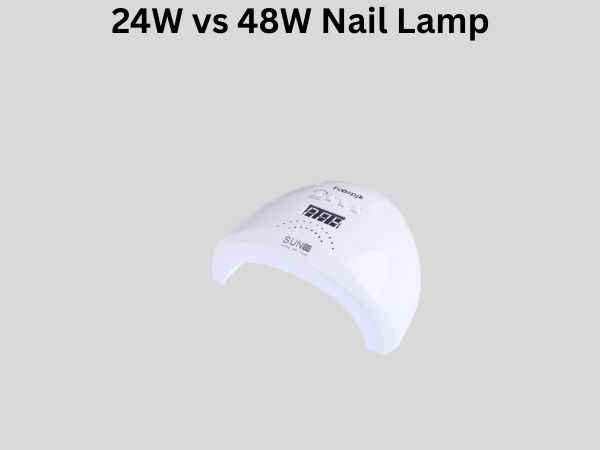
24W vs 48W Nail Lamp: Which Cures Gel Nails Faster and Better?
When you’re standing in front of a nail supply store or scrolling through online catalogs, you’ve probably noticed that nail lamps come in different wattages. The two most popular options that keep popping up are 24W and 48W models. But here’s the thing—do you really need that extra power, or is the smaller one enough to get the job done? Let me walk you through everything you need to know to make the right choice for your nail care routine
Understanding Nail Lamp Wattage: The Foundation
Let’s start with the basics because understanding how wattage works is crucial to making your decision. Wattage is essentially the amount of electrical power a lamp consumes. When you see a 24W or 48W rating, that’s telling you how much energy the lamp draws when it’s running. But—and this is important—higher wattage doesn’t automatically mean faster curing in every situation.
How UV and LED Lamps Differ in Power Consumption
Now, I should mention that the impact of wattage varies depending on whether you’re dealing with UV or LED lamps. LED lamps have become increasingly popular because they’re more efficient. A 24W LED lamp might actually cure gel nails just as quickly as some higher-wattage UV lamps because LEDs convert more of their energy into useful light wavelengths.
UV lamps, on the other hand, tend to generate a lot of heat and aren’t as efficient, so the wattage difference matters more with those models. This is why you’ll see more variation in curing times between different UV lamp wattages compared to LED options.
The 24W Nail Lamp: Compact and Convenient
What You Get with a 24W Model
A 24W nail lamp is like the reliable sedan of the nail world. It’s not flashy, but it gets you where you need to go. These lamps are typically smaller, lighter, and more portable than their 48W counterparts. If you’re someone who travels frequently, does nails on the go, or just doesn’t have a lot of counter space, a 24W lamp might be perfect for you.
Typical Curing Times for 24W Lamps
With a 24W lamp, you’re looking at curing times that typically range from 60 to 120 seconds per layer, depending on the gel brand and formula you’re using. Some gel polishes specifically formulated for rapid curing can be done in as little as 30 to 45 seconds, while thicker applications might need the full two minutes.
Advantages of Going with 24W
- Lower purchase price compared to 48W models
- Smaller footprint, perfect for small workstations or personal use
- Lighter weight makes it ideal for traveling professionals
- Lower energy consumption means reduced electricity bills
- Less heat output, making it more comfortable for extended sessions
- Easier to store when not in use
Where 24W Falls Short
However, let’s be honest about the limitations. If you’re doing a full set of acrylic nails with multiple layers, or if you’re working with gels that require longer curing times, that 24W lamp might test your patience. You’ll spend more time waiting, and in a professional setting, time is money.
Also, if you have thicker nail beds or darker nail polish applied underneath, the light penetration might not be as complete, potentially leading to incomplete curing at the edges or cuticle area.
The 48W Nail Lamp: Power and Performance
What Distinguishes a 48W Model
The 48W lamp is essentially the sports car of nail lamps. It’s got more power under the hood, and it shows in the performance. These lamps are built for efficiency and speed, which is why you’ll see them in professional salons far more often than in home settings.
Typical Curing Times for 48W Lamps
With a 48W lamp, you’re typically looking at curing times of 30 to 60 seconds per layer. That’s a dramatic difference when you’re processing multiple layers or doing full sets. Some fast-curing gels can be done in just 20 to 30 seconds, which really adds up over the course of a day if you’re doing this professionally.
Advantages of Choosing 48W
- Significantly faster curing times, sometimes half of what you’d need with 24W
- More consistent curing across all nail beds, even thicker ones
- Better for darker gel polishes and opaque colors
- More powerful light penetration ensures complete cure throughout the nail
- Professional-grade performance suitable for salon environments
- Better for high-volume work or time-sensitive applications
The Drawbacks of Higher Wattage
Of course, nothing’s perfect. A 48W lamp costs significantly more upfront. It’s also bulkier and heavier, so it’s not ideal if you value portability. These lamps also consume more electricity and generate considerably more heat, which some people find uncomfortable, especially during longer sessions.
Head-to-Head: Curing Speed Comparison
Real-World Curing Time Differences
Let me give you some perspective. Imagine you’re doing a full gel manicure with base coat, two color coats, and a top coat. That’s five separate curing steps. With a 24W lamp at 90 seconds per layer, you’re looking at 7.5 minutes of curing time. With a 48W lamp at 45 seconds per layer, that drops to 3.75 minutes. Over the course of a day in a salon, that time difference can mean doing one or two additional clients.
Consistency and Reliability
Beyond just raw speed, there’s also the question of consistency. The 48W lamp’s greater power output means you get more reliable, uniform curing. There’s less chance of missed spots or under-cured areas that might lead to chipping. The 24W lamp might cure fine most of the time, but you’re more likely to encounter occasional issues with thicker gels or certain formulations.
Quality of Cure: Durability and Longevity
How Wattage Affects Nail Durability
Here’s something people don’t always consider: a properly cured nail isn’t just about how fast it dries, it’s about ensuring the gel is completely polymerized throughout. Think of it like baking a cake—you can use high heat for a shorter time or lower heat for longer, but the cake needs to be fully cooked inside.
A 48W lamp typically provides more thorough curing, which translates to nails that last longer and resist chipping better. However, if you use the 24W lamp correctly and give each layer adequate time, you can still achieve excellent results. The key is patience and following the gel manufacturer’s recommendations.
Longevity Expectations
With a 48W lamp and proper application technique, you can expect gel manicures to last 3 to 4 weeks without significant chipping. With a 24W lamp, you might see slightly more wear after the third week, but many people report excellent durability when they’re careful with curing times.
Cost Analysis: Initial Investment and Operating Expenses
Purchase Price Comparison
24W lamps typically range from $25 to $60 for decent quality models, while 48W lamps usually cost between $60 and $150. That’s roughly double the investment for the 48W option. If you’re a casual home user, that price difference is significant.
Energy Costs Over Time
Let’s talk about the ongoing cost. A 24W lamp uses half the electricity of a 48W model. If you’re doing nails weekly, the difference might be a few dollars per month. But if you’re a professional doing this 40 hours a week, those electricity costs add up. Over a year, a 48W lamp might cost you $50 to $100 more in electricity, but if it allows you to see two extra clients per week, that pays for itself many times over in the salon setting.
Energy Consumption and Environmental Impact
Which Option is More Eco-Friendly?
If environmental consciousness matters to you, the 24W lamp has the advantage. It uses less electricity per year, which means a smaller carbon footprint. However, modern LED lamps—whether 24W or 48W—are far more efficient than older UV models, so the difference between them is relatively small compared to older technology.
The bigger environmental factor might be durability. A 48W lamp that lasts longer might ultimately be more sustainable than needing to replace a cheaper 24W lamp multiple times.
Space and Portability: Where Will You Use Your Lamp?
Sizing Up Your Workspace
Do you have a dedicated nail station, or are you squeezing your nail care into a shared bathroom counter? The size difference between 24W and 48W lamps can be surprisingly significant. A 24W lamp typically has a footprint of around 6 by 4 inches, while a 48W model might be 8 by 6 inches or larger. That might not sound like much, but it matters when space is at a premium.
Professional Travel Considerations
For nail technicians who travel to clients’ homes or work in different locations, portability is crucial. The lighter weight and smaller size of a 24W lamp make it significantly easier to transport. A 48W lamp could weigh 3 to 4 pounds, while a 24W might be half that. That matters when you’re carrying it multiple times daily.
Best Use Cases: Matching Your Needs to the Right Lamp
When a 24W Lamp is Your Best Choice
- You’re a hobbyist doing your own nails occasionally
- You travel frequently and want a portable option
- You have limited counter space in your home
- You want to minimize electricity consumption
- You’re on a tight budget
- You prefer working with fast-curing gel formulas
When You Should Go with 48W
- You’re a professional offering nail services to multiple clients daily
- You work with various gel brands and need consistency
- You want the fastest curing times possible
- You prioritize durability and longevity of manicures
- You have the space and don’t need portability
- You work with thicker gels or dark colors regularly
User Experience and Comfort During Curing
Heat Generation and Comfort Levels
One thing that’s often overlooked in the wattage debate is comfort. A 48W lamp generates significantly more heat. If you’re sitting with your hands under the lamp for 60 to 120 seconds, that’s something you’ll definitely notice. Some people find it pleasant and warming, while others find it uncomfortable or even painful if they have sensitive skin.
A 24W lamp runs cooler, which many people find more comfortable. This is particularly important if you’re doing regular manicures or if you have heat sensitivity issues.
Noise Levels
Most modern lamps are relatively quiet, but higher-wattage models sometimes have more robust fans to handle heat dissipation, which can make them slightly noisier. If you’re working in a professional environment where ambiance matters, this might be worth considering.
Maintenance, Durability, and Longevity of the Lamp Itself
How Long Do These Lamps Last?
Quality is more important than wattage when it comes to lamp longevity. A well-made 24W lamp can last 5 to 7 years, while a quality 48W lamp might last similarly. However, some cheaper 24W models might only last 2 to 3 years.
Maintenance Requirements
Both types require similar maintenance. You should clean the interior regularly to prevent dust buildup, replace UV bulbs annually (though LED bulbs last much longer), and ensure proper ventilation. A 48W lamp might need a bit more attention to keep cool, but it’s minimal effort.
Warranty and Support
Most reputable manufacturers offer 1 to 2 year warranties regardless of wattage. The real protection comes from buying from established brands rather than choosing based on watts alone.
Technical Specifications Worth Comparing
Light Wavelengths and Spectrum
Here’s something that matters more than raw wattage: the light spectrum. Both 24W and 48W lamps should cover the full spectrum needed to cure gel polish, typically 365 to 405 nanometers. The quality of the LEDs or UV bulbs matters more than the overall wattage in determining how effectively they cure specific gel brands.
Timer Settings and Control Options
Modern lamps come with adjustable timers and often have motion sensors. These features exist at both wattage levels, so don’t assume a higher-wattage lamp automatically has better controls.
Professional Recommendations and Industry Standards
What Salons Typically Use
Walk into most professional nail salons, and you’ll find 36W to 54W lamps. The industry consensus leans toward higher wattage for professional settings because of speed and consistency. However, many successful salons use quality 24W or lower-power LED lamps without issues.
Manufacturer Recommendations
Here’s the thing—gel polish manufacturers design their products to work across a range of lamp wattages. You won’t find a major brand saying “this gel only works with 48W lamps.” That said, many fast-cure gel formulas are optimized for stronger light, which means they perform better in 48W lamps.
![10 Best Cordless Rechargeable Lamps [2026]](https://bestdesklamp.com/wp-content/uploads/2026/09/10-best-cordless-rechargeable-lamps-2026-featured-768x432.jpg)