Heat Lamp Height for Chicks: The Perfect Distance
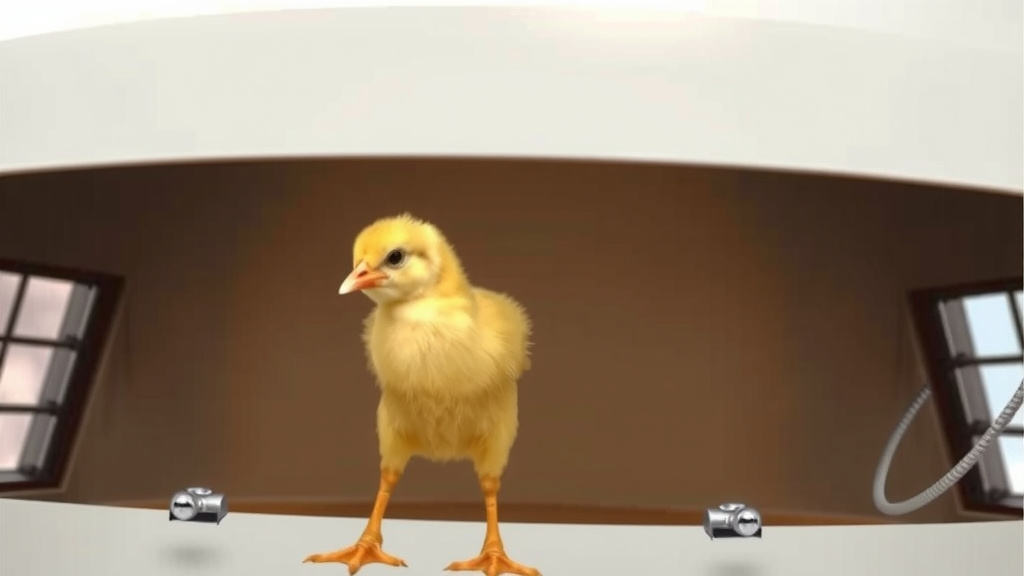
When it comes to keeping your baby chicks warm, the general rule is to place your heat lamp about 18 to 24 inches above them. This height helps to create a safe and comfortable temperature gradient. Too high, and they might get too cold. Too low, and you risk overheating them, which is dangerous for young chicks.
Figuring out the perfect heat lamp height is key for chick health and happiness. Chicks are pretty good at telling you if they’re too hot or too cold by their behavior and location. We found that observing their movements is your best guide to ensuring they’re getting the right amount of warmth. Getting this right helps prevent stress and promotes healthy growth in your flock.
- Heat lamps should generally be 18-24 inches above chicks.
- Adjust height based on chick behavior (huddling = too cold, spreading out = too hot).
- Too low can cause overheating; too high can lead to chilling.
- A safe temperature zone is vital for their survival and development.
Let’s walk through exactly how to find that sweet spot and what to watch for so your little ones stay cozy and thrive!
Finding the Right Heat Lamp Height for Your Chicks
Positioning your heat lamp correctly is one of the most **important things** you can do for your new chicks. It directly impacts their comfort and health. We’ve found that a general starting point is crucial, but observing your chicks is truly the **best way** to fine-tune this. Let’s make sure your little ones stay perfectly warm!
Understanding Chick Temperature Needs
Baby chicks can’t regulate their own body temperature. They rely on external heat sources. This makes the heat lamp essential for their survival. Think of it like a mother hen’s warmth, but controlled by you. Getting the temperature right prevents a lot of common chick problems. Chicks rely on artificial heat until their down feathers fully develop and they can regulate their body temperature.
Why Proper Heat is Non-Negotiable
Chicks need a consistent, warm environment, especially in their first few weeks. Research shows that temperature fluctuations can cause **stress and illness** in young poultry (University of Kentucky Extension). If they get too cold, they can become lethargic and may not eat or drink. If they get too hot, they can suffer from heat stress, which is also **very dangerous**.
The Ideal Temperature Gradient
The goal isn’t just a single temperature; it’s a temperature gradient. This means there’s a warm zone directly under the lamp and cooler areas around it. This allows chicks to move to find their **perfect comfort level**. They should be able to move away from the heat if they feel too warm, and huddle closer if they feel a chill.
The Best Practices for Heat Lamp Placement
So, what’s the magic number for height? As the intro mentioned, 18 to 24 inches is a widely recommended starting range. This height typically provides a warm spot beneath the lamp that’s about 90-95 degrees Fahrenheit for the first week. However, this is just a starting point.
Adjusting Based on Ambient Temperature and Brooder Size
The room temperature where you keep your chicks matters. If your brooder is in a chilly garage, you might need the lamp a bit lower, or a more powerful bulb. If it’s in a warm, draft-free room, you might start at the higher end of the range. The size of your brooder also plays a role. A larger space allows for a more natural gradient.
What to Look for: Your Chicks Are the Thermometer
This is where observation comes in. Your chicks will tell you if something is wrong. You just need to know what to look for.
Signs Your Chicks Are Too Cold
If your chicks are **huddled together** tightly directly under the heat lamp, that’s a clear sign they’re not warm enough. They might also be chirping incessantly or seem listless. In this case, you’ll need to lower the heat lamp slightly, perhaps by 2-3 inches. Ensure there are no drafts in the brooder area.
Signs Your Chicks Are Too Hot
On the other hand, if your chicks are trying to get as far away from the heat lamp as possible, spreading out to the edges of the brooder, and panting, they’re too hot. Lowering the lamp won’t help here; you need to **raise it**. Try increasing the height by 2-3 inches. They should be able to move comfortably around the brooder, not flee from the heat.
Signs Your Chicks Are Just Right
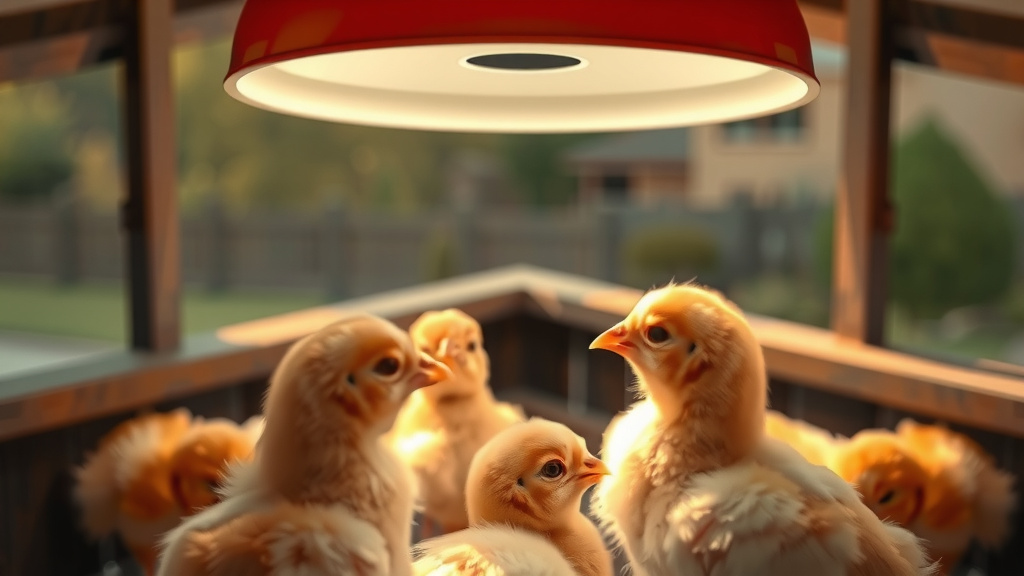
When the temperature is perfect, you’ll see your chicks **spread out evenly** around the brooder. They’ll be active, pecking at food and water, and resting comfortably without bunching up or trying to escape the heat. This is the sweet spot you’re aiming for!
Troubleshooting Common Heat Lamp Issues
Even with the best intentions, you might run into a few bumps. Don’t worry; these are usually easy to fix.
The “Just Right” Temperature Zones by Week
Chicks’ temperature needs change as they grow. Their down is replaced by feathers, and they become more resilient. Many poultry experts suggest a gradual decrease in temperature. We found this table helpful in illustrating those weekly adjustments:
| Week | Ideal Temperature Under Lamp | General Height Guideline (Starting Point) |
|---|---|---|
| Week 1 | 90-95°F (32-35°C) | 18-20 inches |
| Week 2 | 85-90°F (29-32°C) | 20-22 inches |
| Week 3 | 80-85°F (27-29°C) | 22-24 inches |
| Week 4 and beyond | 70-75°F (21-24°C) | 24+ inches or natural room temp |
Using a Thermometer for Accuracy
While chick behavior is a great indicator, using a thermometer adds an extra layer of certainty. A simple outdoor thermometer or an infrared thermometer can be very useful. You can place it on the brooder floor near the heat lamp to get a direct reading. This can help you **set the initial height** more accurately. However, always cross-reference with your chicks’ behavior.
Ensuring Bulb Safety and Placement
Heat lamps generate significant heat and light. Always ensure the lamp is securely attached to its stand or the brooder hardware. It should never be able to fall into the bedding or onto the chicks. Many modern brooder setups use ceramic heat emitters, which provide heat without light, or under-tank heaters designed for reptiles, adapted for chicks. However, the traditional red or clear heat bulbs are still very common. Regardless of the type, a **safety cage** around the bulb is a wise investment. Many modern brooder setups use ceramic heat emitters, which provide heat without light.
Your Chick Heat Lamp Checklist
To make sure you’ve got everything covered, here’s a quick checklist:
- Start with the heat lamp 18-24 inches above the chicks.
- Check chick behavior: huddling means too cold, scattering means too hot.
- Adjust lamp height by 2-3 inches at a time based on their behavior.
- Use a thermometer to verify the temperature under the lamp.
- Gradually lower the temperature as chicks grow each week.
- Always ensure the heat lamp is securely mounted and safe.
Conclusion
You’ve learned that the perfect heat lamp height for your chicks is a balance of general guidelines and keen observation. Remember, starting with 18 to 24 inches is a good baseline, but your chicks are the best thermometers. Watch their behavior closely – are they huddled together in distress, or are they panting and avoiding the heat? Adjusting the lamp by just a few inches can make all the difference. By consistently checking their comfort and gradually decreasing the heat as they grow, you’re setting them up for healthy development and a happy start.
Frequently Asked Questions
How often should I adjust the heat lamp height?
You should check your chicks’ behavior at least a couple of times a day, especially during the first week. Adjust the lamp height as needed based on whether they seem too cold or too hot. As they grow, you’ll also need to gradually raise the lamp each week to accommodate their changing temperature needs.
Can I use a regular light bulb instead of a heat lamp?
While a regular light bulb provides light, it generally doesn’t produce enough consistent heat for young chicks. Heat lamps are specifically designed to emit the warmth necessary for them to regulate their body temperature, which is vital for survival. Using a regular bulb might leave your chicks too cold.
What if my brooder is in a cold garage?
If your brooder is in a cooler environment like a garage, you might need to start with the heat lamp at the lower end of the 18-24 inch range, or even slightly lower, to provide adequate warmth. Ensure there are no drafts and that the brooder is enclosed enough to retain heat. You might also consider using a higher wattage bulb, but always prioritize chick behavior over bulb strength.
How do I know if my heat lamp is too high?
If your chicks are constantly huddling together directly under the lamp, chirping loudly, and appear lethargic, the lamp is likely too high, and they are too cold. You should see them spread out comfortably. Lowering the lamp a few inches will help them find the warmth they need.
Should I use a red bulb or a clear bulb for my heat lamp?
Both red and clear bulbs can provide necessary heat. Red bulbs are often preferred because they mimic natural light and may help chicks rest better by not interfering with their sleep cycles. Clear bulbs provide more visible light, which can be helpful for observing your chicks, but might disrupt their sleep slightly more.