Fluorescent Lamp vs LED Tube: Better Choice?
When choosing between a fluorescent lamp and an LED tube, LED tubes are the better choice for most modern applications. They offer superior energy efficiency, a longer lifespan, and better performance over time. Fluorescent lights are older technology and are being phased out for good reason.
You might be wondering if upgrading is worth the cost. Research and consumer reports consistently show that while the upfront cost of LED tubes can be higher, their long-term savings on energy bills and reduced replacement frequency make them far more economical. Plus, they contribute to a greener planet by using less electricity.
TL;DR:
- LED tubes are generally the better choice over fluorescent.
- LEDs save more energy and last much longer.
- Fluorescent lights are being phased out.
- LEDs can save you money on electricity bills over time.
Let’s walk through exactly why LED tubes are typically the winning option and what you should consider when making the switch.
Fluorescent Tubes vs. LED Tubes: Which Light is Right for Your Space?
Deciding between fluorescent and LED tube lighting can feel like a tough choice. You want good light without breaking the bank. We found that for most people today, LED tubes are the clear winner. They use less energy. They last much, much longer. They also tend to perform better over their lifespan. Fluorescent lights are an older technology. They are being phased out for many good reasons.
You might be wondering if the switch is really worth it. Research consistently shows that while LED tubes can cost more upfront, they save you money over time. This comes from lower electricity bills and fewer replacements. They also help the environment. They use less power, which is good for our planet.
Understanding Fluorescent Lights
Fluorescent lights have been around for a long time. They work by sending an electric current through a gas. This creates ultraviolet (UV) light. The inside of the tube is coated with a phosphor. This coating glows when hit by the UV light, producing visible light. They are known for their decent light output. They were a big improvement over older incandescent bulbs.
However, fluorescent lights have some drawbacks. They contain mercury, a hazardous substance. This means they require special disposal. They can also flicker, especially when they start up or age. This flicker can sometimes cause headaches or eye strain for some people. Their light quality can also degrade over time.
The Case for LED Tube Lighting
LED stands for Light Emitting Diode. These lights are a much newer technology. They produce light using semiconductors. This process is much more efficient than fluorescent bulbs. LEDs are also more durable. They don’t contain any hazardous materials like mercury. This makes them safer for your home and the environment. Many experts agree LEDs are the future of lighting (U.S. Department of Energy).
One of the biggest advantages of LEDs is their energy efficiency. You can expect LEDs to use up to 75% less energy than fluorescent lights. This means a big drop in your electricity bill. Imagine saving that money every month! It really adds up over the years.
Lifespan: A Clear Winner for LEDs
When we talk about how long lights last, LEDs shine bright. A typical LED tube can last 25,000 to 50,000 hours. Some even go beyond that. Compare that to a fluorescent tube, which usually lasts around 10,000 to 20,000 hours. That means you’ll be replacing fluorescent bulbs far more often.
Think about it like this: if you use your lights for 8 hours a day, a 25,000-hour LED would last over 8 years. A 15,000-hour fluorescent would only last about 5 years. That’s three extra years of light without needing to buy new bulbs. This saves you not only money but also a lot of hassle.
Light Quality and Performance
LEDs offer excellent light quality. They produce a consistent, flicker-free light. This can make your spaces feel more comfortable. You can also find LEDs in a wide range of color temperatures. This means you can choose the perfect brightness and warmth for any room. Whether you need bright, cool light for a workshop or warm, soft light for a living room, LEDs can do it.
Unlike fluorescent lights, LEDs reach their full brightness instantly. You don’t have to wait for them to warm up. They also perform well in cold temperatures. This makes them a great choice for garages or outdoor spaces. Fluorescent lights can struggle in the cold. Their light output decreases, and they may not even turn on.
Installation and Compatibility
When switching from fluorescent to LED tubes, you have a couple of options. Some LED tubes are designed to be “plug-and-play.” This means you can simply remove your old fluorescent bulb and install the LED tube. These often work with your existing fluorescent ballast. This is the easiest and quickest way to upgrade.
Other LED tubes require you to bypass the old ballast. This is often called “ballast-compatible” or “direct wire.” While this might take a little more effort, it can sometimes lead to even greater energy savings. This is because you’re removing an older, less efficient component. If you’re not comfortable with electrical work, it’s always best to hire a qualified electrician for this type of installation.
Understanding Ballasts
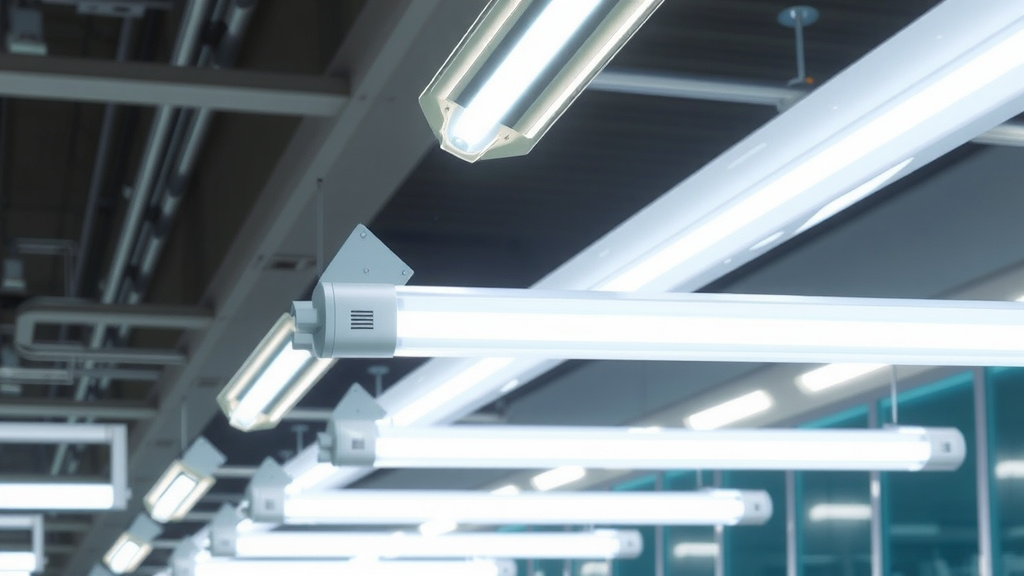
A ballast is a device that regulates the voltage and current to the lamp. In fluorescent systems, it’s essential for starting and running the bulb. Fluorescent tubes rely on a ballast to function. Many LED tubes are designed to work with existing fluorescent ballasts.
However, some advanced LED tubes are designed to work without a ballast. They connect directly to the line voltage. This eliminates the ballast entirely. While this may require minor wiring modifications, it’s often seen as the most efficient and reliable long-term solution. It also means one less component that could potentially fail over time.
Environmental and Health Considerations
The environmental benefits of LEDs are substantial. Their lower energy consumption means a smaller carbon footprint. This helps reduce greenhouse gas emissions. Additionally, LEDs do not contain mercury. This is a significant advantage over fluorescent bulbs, which pose disposal challenges. Improper disposal of fluorescent bulbs can release mercury into the environment. Proper disposal methods are often required by law (EPA).
From a health perspective, the absence of flicker in most LEDs is a big plus. Flicker can contribute to eye strain, headaches, and fatigue. The instant-on feature of LEDs also means no annoying warm-up delay. This provides a more pleasant and consistent lighting experience.
Cost Analysis: Upfront vs. Long-Term Savings
It’s true that LED tubes can sometimes have a higher initial purchase price than fluorescent tubes. However, this is where you need to look at the bigger picture. The long-term savings are where LEDs truly shine. Reduced energy consumption directly translates to lower electricity bills. The extended lifespan means you buy fewer replacement bulbs over time.
Consider a simple cost comparison:
| Feature | Fluorescent Tube | LED Tube |
|---|---|---|
| Initial Cost (per bulb) | $2 – $5 | $7 – $15 |
| Lifespan (hours) | 10,000 – 20,000 | 25,000 – 50,000+ |
| Energy Consumption | Higher | Significantly Lower (up to 75% less) |
| Replacement Frequency | High | Low |
| Disposal Concerns | Hazardous (mercury) | Safe, standard waste |
When you factor in the energy savings and the cost of multiple replacements over the years, LEDs almost always come out cheaper. Many studies and energy audits support this finding. The payback period for LED upgrades is often surprisingly short.
Making the Switch: Your Checklist
Ready to upgrade your lighting? Here’s a quick checklist to help you get started:
- Assess your current lighting: Note the type and quantity of fluorescent fixtures you have.
- Decide on your installation method: Plug-and-play or ballast bypass?
- Measure your fixture size: Ensure you buy the correct length LED tubes (e.g., T8, T12).
- Consider color temperature: Choose between warm white, cool white, or daylight.
- Check for DLC or Energy Star certification: These indicate energy efficiency and quality.
- Budget for installation: Factor in potential electrician costs if needed.
Conclusion
You’ve seen why making the switch from fluorescent to LED tube lighting is a smart move for your home or business. LEDs offer incredible energy savings, last much longer, and provide better light quality without flicker. While the initial cost might be a bit higher, the long-term financial benefits and environmental advantages are clear winners. Ready to start saving money and enjoying better light? Your next step is to check your current fixtures and find the right LED tubes to fit your needs.
Frequently Asked Questions
Do I need an electrician to switch from fluorescent to LED tubes?
For simple “plug-and-play” LED tubes that work with your existing ballast, you likely won’t need an electrician. However, if you choose “ballast bypass” LED tubes that require direct wiring, it’s highly recommended to hire a qualified electrician to ensure safety and proper installation.
Can I mix fluorescent and LED tubes in the same fixture?
It’s generally not recommended to mix fluorescent and LED tubes in the same fixture. Fluorescent tubes require a ballast, while many LED tubes are designed to bypass it. Mixing them can lead to improper operation, reduced lifespan for either type of bulb, or even fixture damage.
Will LED tubes work in cold environments like a garage or unheated shed?
Yes, LED tubes are excellent for cold environments. Unlike fluorescent lights, which can struggle to start or dim in cold temperatures, LEDs perform consistently well and reach full brightness instantly, regardless of the ambient temperature.
How do I know what size LED tube I need?
You’ll need to know the size of your current fluorescent tubes. The most common sizes are T8 (8/8ths of an inch in diameter) and T12 (12/8ths of an inch in diameter). Check the marking on your existing fluorescent bulbs or measure their diameter to ensure you purchase the correct length and type of LED tube.
Are there any hidden costs to switching to LED tubes?
The primary upfront cost is the purchase price of the LED tubes themselves, which can be higher than fluorescents. If you opt for ballast bypass installation, you may incur an electrician’s fee. However, these initial costs are quickly offset by long-term savings on electricity and bulb replacements.
![10 Best Designer Floor Lamps [2026]](https://bestdesklamp.com/wp-content/uploads/2026/09/10-best-designer-floor-lamps-2026-featured-768x432.jpg)
![10 Best Bluetooth Speaker Lamp [2026]](https://bestdesklamp.com/wp-content/uploads/2026/08/10-best-bluetooth-speaker-lamp-2026-featured-768x432.jpg)
![10 Best Cheap Uv Lamp For Nails [2026]](https://bestdesklamp.com/wp-content/uploads/2026/08/10-best-cheap-uv-lamp-for-nails-2026-featured-768x432.jpg)