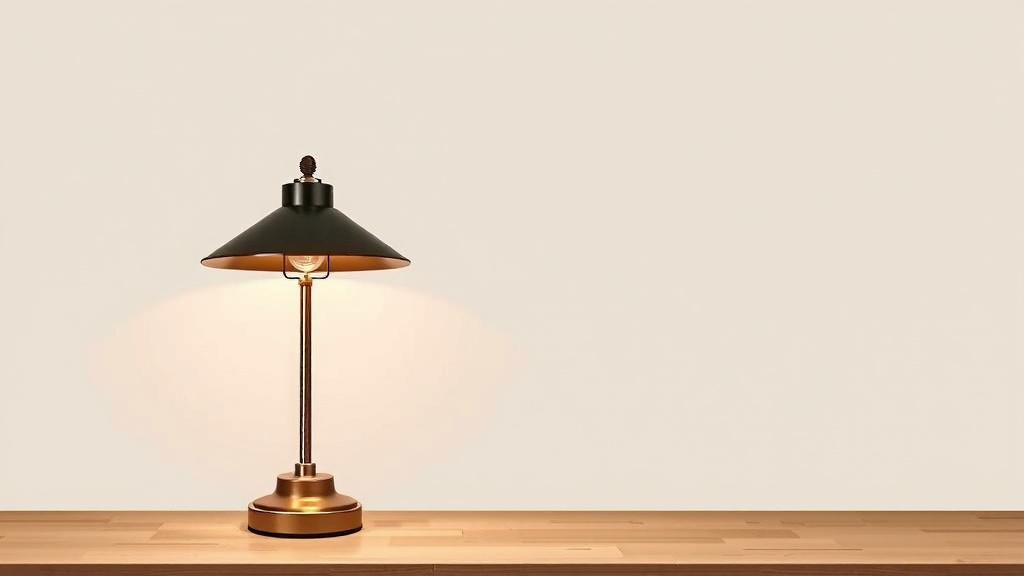
How to Spot a Valuable Lamp: Key Indicators
You can tell if a lamp is valuable by looking at its maker’s mark, the materials it’s made from, and its overall condition. Many lamps that look old might not be worth much, but some common signs point to real antiques or designer pieces. Researching similar items can also help you assess your lamp’s worth. We found that understanding these key elements is the first step.
Determining a lamp’s true value often involves more than just a quick glance. Factors like the era it was created in, the rarity of its design, and whether it has its original parts all play a big role. Many people overlook subtle clues that collectors actively seek out. Many experts say it’s a blend of art and detective work.
- Look for maker’s marks or signatures.
- Examine the materials used (brass, bronze, glass).
- Check for damage or missing pieces.
- Research the lamp’s age and designer.
- Compare it to similar sold items online.
Ready to figure out if that lamp in your attic is a hidden gem? Let’s walk through how to assess its potential worth step by step.
Spotting a Lamp with Real Worth
You’ve got a lamp, and you’re wondering if it’s more than just a light source. You’re curious if it’s an antique, a designer piece, or maybe just an old find. We found that a few key areas can tell you a lot about a lamp’s potential value.
The Maker’s Mark: Your First Clue
The most straightforward way to start is by finding any maker’s marks or signatures. These are like a lamp’s fingerprint. They can tell you who made it and sometimes when it was made. Look on the bottom, inside the base, or on any metal parts. Many manufacturers stamped their names or logos onto their products. If you find a name, write it down. Then, you can start researching that specific brand.
Famous Names to Look For
Some names are more telling than others. If you see names like Tiffany Studios, Handel, Pairpoint, or Bradley & Hubbard, you’ve likely found something special. These companies made highly sought-after lamps. Even less famous, but still reputable, makers can indicate good quality. We found that identifying the manufacturer is often the biggest step in determining value.
What If There’s No Mark?
Don’t despair if you can’t find a clear maker’s mark. Many older lamps, especially handmade ones, might not have been marked. This doesn’t automatically mean it has no worth. You’ll just need to rely more heavily on other clues. Sometimes the style or the materials can point to a specific era or maker.
Materials Matter: Quality You Can See and Feel
The materials used in a lamp’s construction can reveal a lot about its quality and origin. High-quality materials often mean a higher potential value. Think about what your lamp is made of. Is it heavy, solid metal, or something lighter and possibly less durable? We found that collectors often look for solid brass, bronze, or genuine sterling silver.
Glassware: More Than Just Pretty
The type of glass used in the shade or body is also a big indicator. Hand-blown or hand-cut glass, like that found in stained glass or art glass lamps, is usually much more valuable than simple molded glass. Look for signs of craftsmanship. Do the colors seem deep and rich? Is the glass thick and well-finished? Brands like Tiffany and Steuben are known for their exceptional glasswork.
Metalwork and Other Components
For metal bases and parts, examine the finish. Is it a deep, rich patina on bronze, or is it a thin, easily scratched plating? Solid brass or bronze lamps tend to hold their value well. Wood bases should be solid, well-joined, and without significant damage. Even the type of cord and plug can offer clues about the lamp’s age and quality.
Condition and Originality: Preserving the Past
The condition of a lamp plays a huge role in its value. Lamps that are in excellent condition, with no major damage, are always worth more. You’ll want to check for cracks, chips, missing pieces, or heavy corrosion. A lamp that’s been well-maintained over the years is a good sign.
The Importance of Original Parts
Originality is also key for serious collectors. Does the lamp have its original shade, finial, and harp? If parts have been replaced with generic modern components, it can significantly decrease the value, especially for antique lamps. We found that collectors often prefer lamps that are as close to their original state as possible. Even if a replacement part is of high quality, it’s usually not as desirable as the original.
Repairs: To Do or Not To Do?
Sometimes a lamp might have minor damage that could be repaired. However, for very old or valuable lamps, it’s often best to leave repairs to professionals. Improper repairs can do more harm than good. If you’re unsure, it’s wise to get an appraisal before attempting any restoration. We found that many experts advise against DIY repairs on potentially valuable items.
Age and Style: Putting It in Context
The era a lamp was made in significantly influences its appeal and value. Identifying the style can help place it in time. Is it Victorian, Art Nouveau, Art Deco, Mid-Century Modern, or something else?
Recognizing Key Design Periods
Each period has distinct characteristics. For example, Art Nouveau lamps often feature organic, flowing lines and nature-inspired motifs. Art Deco lamps might display geometric shapes and bold symmetry. Mid-Century Modern lamps are known for their minimalist designs and functional forms. Researching these styles can help you date your lamp.
Rarity Factor: How Common Is It?
Beyond style, consider the rarity. Was this a mass-produced item, or a limited edition piece? A lamp made in large quantities will generally be worth less than a rare, one-of-a-kind creation. Sometimes, a well-known design made by a famous artist might be rare due to its limited production run.
Research is Your Best Friend
Once you’ve gathered clues, it’s time to do some digging. Online auction sites and antique dealer websites are excellent resources. Search for lamps with similar marks, materials, styles, and conditions. Pay close attention to the sold prices, not just the asking prices. Sold prices reflect what people were actually willing to pay.
Comparing Apples to Apples
Try to compare your lamp to items that are as close a match as possible. If your lamp is a signed Handel lamp with a reverse-painted shade, search for other signed Handel lamps that have sold. Even small differences in design or condition can impact price. We found that this kind of comparison research is often where you’ll get the most realistic idea of your lamp’s worth.
When to Call an Expert
If your research suggests your lamp might be particularly valuable, or if you’re still unsure, consider consulting an antique dealer or an appraiser. They have the experience and knowledge to accurately assess its worth. They can identify obscure maker’s marks or recognize a rare designer piece that you might have missed.
Quick Checklist for Assessing Lamp Value
- Check for Maker’s Marks: Look for names, numbers, or logos.
- Examine Materials: Note the type of metal, glass, and wood.
- Assess Condition: Check for damage, wear, and missing parts.
- Identify Style & Era: Research design periods to estimate age.
- Consider Originality: Are the shade and other components original?
- Research Sold Prices: Compare to similar items that have actually sold.
Conclusion
You’ve learned how to spot a potentially valuable lamp by looking at its maker’s mark, the materials it’s made from, and its overall condition. Understanding the lamp’s age and style, along with its rarity, adds more pieces to the puzzle. We found that comparing your findings to similar items that have actually sold is your best bet for a realistic estimate. If you’re still unsure or think you’ve found a real gem, don’t hesitate to call in an expert. Your next step? Start examining that lamp closely!
Frequently Asked Questions
What’s the fastest way to tell if an old lamp might be valuable?
Start by looking for any maker’s marks or signatures, often found on the base or underside. Also, quickly assess the materials; solid brass, bronze, or high-quality glass shades tend to indicate more worth than flimsy plastic or plated metals.
My lamp has a repair; does that automatically make it worthless?
Not necessarily. Minor, well-done repairs might not drastically reduce value, especially if the lamp is rare or historically important. However, major damage or obvious, amateurish repairs can significantly decrease its worth, as collectors often prefer original condition.
Is a lamp with its original shade always worth more?
Generally, yes. Having the original shade, harp, and finial is a big plus for collectors. It shows the lamp has retained its original character and design. If the original shade is damaged, a period-appropriate replacement might be acceptable, but a generic modern one usually lowers the appeal.
Where can I find information about lamp makers and styles?
Online auction sites like eBay (check sold listings!), antique dealer websites, and specialized forums dedicated to lighting or antiques are great resources. Books on antique lighting and art glass can also provide detailed information about different eras and manufacturers.
If I think my lamp is valuable, should I try to clean it myself?
Be very cautious. Aggressive cleaning can damage patinas on metal or scratch delicate glass, significantly reducing a lamp’s value. For potentially valuable antique lamps, it’s often best to leave cleaning and any restoration to experienced professionals or conservators.




![10 Best Adjustable Floor Lamp [2026]](https://bestdesklamp.com/wp-content/uploads/2026/09/10-best-adjustable-floor-lamp-2026-featured-768x432.jpg)