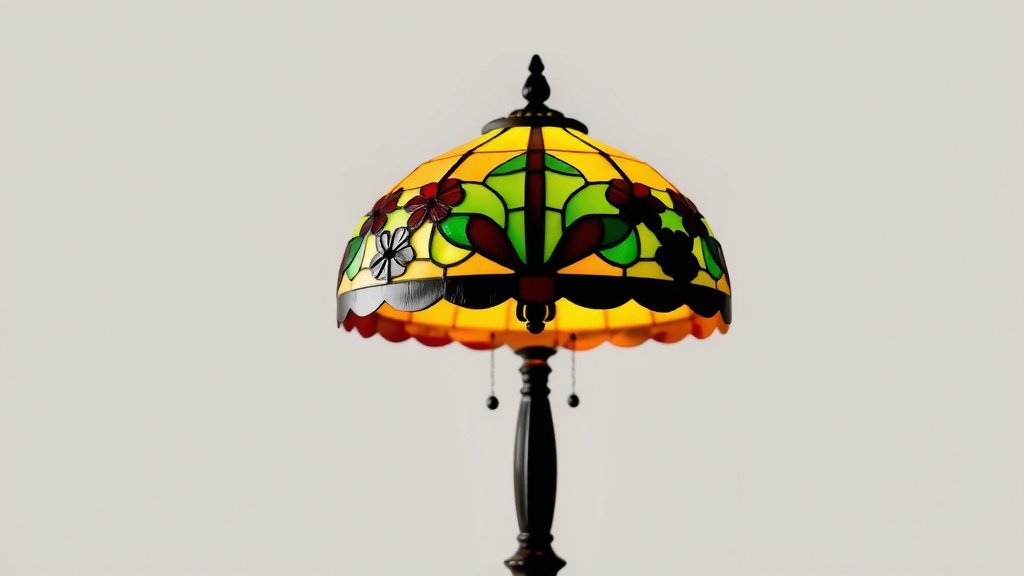
How to Identify an Authentic Tiffany Lamp
Identifying a genuine Tiffany lamp involves looking for several key markers. You can usually tell if you have a real Tiffany lamp by examining its You can usually tell if you have a real Tiffany lamp by examining its signature mark, quality of the glass, and the craftsmanship of the metalwork.signature mark, the quality of the glass, and the craftsmanship of the metalwork. These elements are hallmarks of Louis Comfort Tiffany’s original designs.
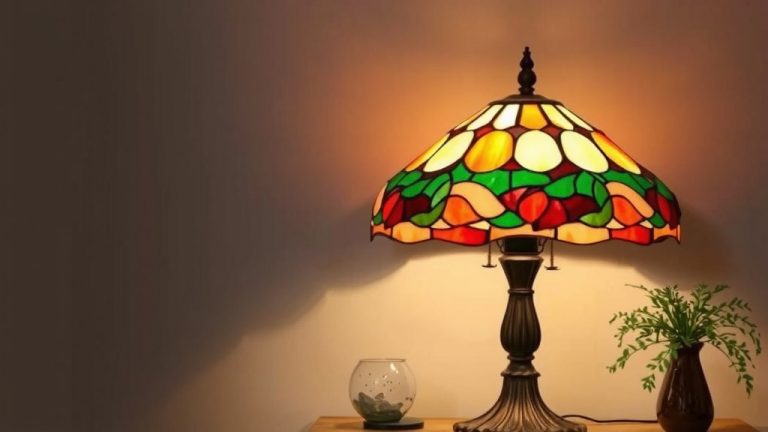
Many authentic Tiffany lamps showcase intricate patterns and vibrant, iridescent glass. The leaded glass panels are typically hand-cut and assembled with great care. The metal bases and hardware often feature a rich patina, reflecting the era’s distinct aesthetic and superior construction techniques.
- Check for the Tiffany signature or maker’s mark.
- Examine the glass for quality and iridescence.
- Inspect the metalwork for fine detail and patina.
- Look for signs of hand-assembly and unique design.
Let’s walk through the specific details that can help you determine if that beautiful lamp in your home is a true piece of Tiffany artistry.
Verifying If You Own a Genuine Tiffany Lamp
You’ve likely inherited or found a lamp that sparks curiosity. You might be wondering, “Is this a real Tiffany lamp?” It’s a valid question! Authentic Tiffany lamps are valuable art pieces. Knowing how to spot a genuine one is key. We’ll guide you through the tell-tale signs.
Examining the Signature: The Mark of Authenticity
The first and perhaps most important step is to find the signature. Louis Comfort Tiffany insisted his studio’s work be marked. This signature is your primary indicator of authenticity.
Where to Look for the Signature
The signature can be tricky to find. It’s often subtle. Look on the metal base or the underside of the lamp. Sometimes, it’s on the hardware holding the shade. You might need a flashlight for this hunt.
Understanding Tiffany Signatures
Genuine Tiffany signatures vary over time. Early pieces might have a simple “Tiffany Studios New York.” Later, it could appear as “L.C.T.” or “L Tiffany Favrile.” Some lamps have the signature etched into the glass itself. Researching historical signatures can be helpful. Many experts say this is the most reliable method (Smithsonian Magazine).
Beware of Fakes and Reproductions
Unfortunately, many lamps imitate the Tiffany style. These reproductions might look similar but lack the authentic signature. Some might even have a forged signature. Always cross-reference the signature with known examples.
The Glass: A Window into Craftsmanship
Tiffany lamps are renowned for their stunning glasswork. The quality and type of glass used are huge clues. Real Tiffany glass is special; it’s not just colored glass.
The Unmistakable Iridescence
Many genuine Tiffany lamps feature iridescent glass. This means the glass has a shimmering, rainbow-like quality. It seems to change color depending on the light. This effect is achieved through a special process. You won’t see this on most reproductions. This is a strong visual cue.
Leaded Glass Techniques
Tiffany lamps use a technique called “leaded glass.” This involves cutting small pieces of glass. These pieces are then wrapped in copper foil. Finally, they are soldered together to form the design. The solder lines should be neat and precise. They shouldn’t look messy or uneven.
Quality of the Glass Pieces
Each glass piece in an authentic lamp is carefully selected. The colors are rich and varied. You’ll often find subtle variations in hue and texture. This gives the lamp depth and character. Cheap reproductions often use uniform, flat-colored glass.
Hand-Cut and Assembled
Everything about a Tiffany lamp is handmade. This means no two lamps are exactly alike. Look for slight imperfections. These are signs of human touch, not flaws. The glass pieces should fit together snugly. The overall design should be harmonious and pleasing.
Metalwork and Hardware: The Foundation of Beauty
The metal base and hardware of a Tiffany lamp are just as important. They reflect the same level of quality and artistry. This is another area where fakes often fall short.
The Patina Finish
Authentic Tiffany lamp bases have a distinctive patina. This is a chemical finish applied to the metal. It gives the base a rich, deep color. Common patinas include brown, green, or black. The finish should look natural, not painted on. Many experts say the patina is a dead giveaway (Antiques Roadshow).
Detail and Weight
Genuine Tiffany bases are made of high-quality metals. They feel substantial and heavy. The detailing on the base should be crisp and well-defined. Look for intricate carvings or patterns. Reproductions often use lighter, cheaper metals. The details might appear softer or less precise.
The Socket and Wiring
The light sockets and wiring can also offer clues. Older lamps might have brass sockets. They should show signs of age. The wiring on a true antique will likely be older, perhaps cloth-covered. If the wiring looks modern and brand new, it might indicate a later restoration or a reproduction. Be cautious if the wiring seems unsafe or overly updated without reason.
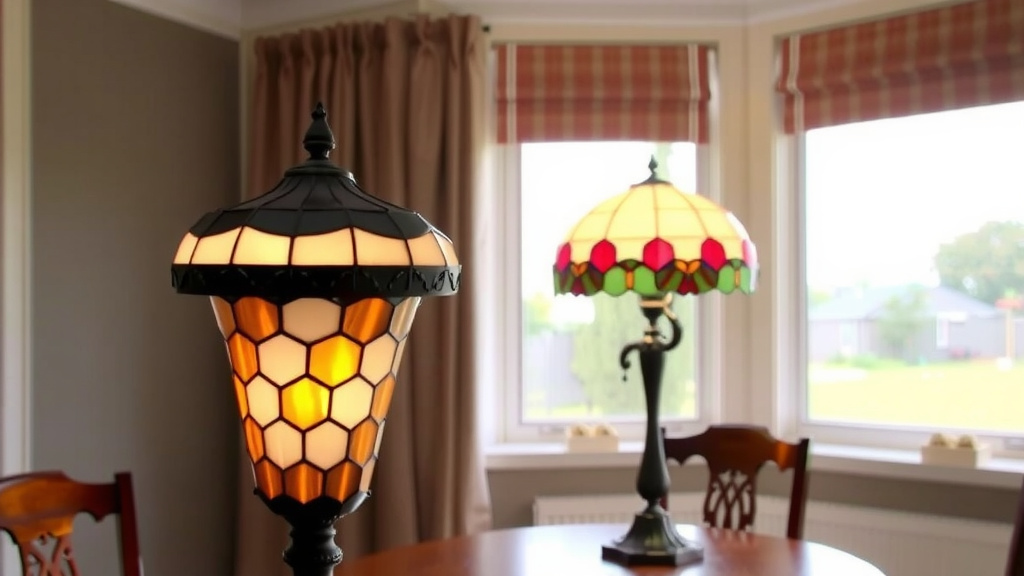
Design and Style: The Artistic Vision
Beyond the technical aspects, the design itself speaks volumes. Louis Comfort Tiffany was an artist. His lamps reflect a distinct aesthetic. What kind of designs are we talking about?
Nature-Inspired Motifs
Tiffany lamps are famous for their nature themes. You’ll find designs featuring flowers, leaves, dragonflies, and insects. These motifs are often rendered with incredible detail. They capture the beauty of the natural world.
Color Palettes
The colors used in Tiffany lamps are vibrant and sophisticated. They often blend multiple shades within a single design. The glass is chosen not just for color but for its light-diffusing properties. The lamp should cast a warm, inviting glow when lit.
A Quick Checklist for Your Lamp
Here’s a handy checklist to help you assess your lamp:
- Signature: Is there a clear “Tiffany Studios,” “L.C.T.,” or “L. Tiffany Favrile” mark?
- Glass Quality: Does the glass have an iridescent shimmer? Are the colors rich and varied?
- Craftsmanship: Are the leaded glass pieces precisely cut and assembled? Are the solder lines neat?
- Metalwork: Does the base feel heavy? Does it have a natural-looking patina?
- Design: Does the design feature nature-inspired motifs? Is it aesthetically pleasing?
- Overall Feel: Does the lamp feel like a quality piece of art?
Conclusion
You now have a clear guide to identifying a genuine Tiffany lamp. Remember to look closely for that Tiffany signature, appreciate the unique iridescence and hand-cut quality of the glass, and inspect the rich patina and detailed metalwork. These elements work together to confirm a piece’s authenticity.
If you suspect you own a true Tiffany lamp, your next step is to document your findings. Take clear photos of the signature, glass details, and metal base. Consider consulting with a reputable antique dealer or appraiser for a professional opinion. You might just have a beautiful piece of art history in your home!
Frequently Asked Questions
How can I tell if the signature on my lamp is real or faked?
Genuine Tiffany signatures vary over time and can be found etched into the glass or on the metal base. Researching historical signatures and comparing them to known examples is key. If a signature looks too perfect or doesn’t match known styles, it’s a red flag.
What if my lamp doesn’t have a signature, but looks like a Tiffany lamp?
While the signature is the most reliable indicator, some very early or unique pieces might have less obvious markings, or the signature could have worn away over time. In such cases, the exceptional quality of the glass, the meticulous craftsmanship of the metalwork, and the distinct artistic style become even more important clues.
Are reproductions always obviously fake?
Many reproductions are quite good and can easily fool an untrained eye. However, they often lack the depth and iridescence in the glass, the precise solder work, and the detailed, heavy feel of the metal base found in authentic Tiffany lamps. The patina finish on reproductions also tends to look painted or artificial.
What should I do if I think I have a valuable Tiffany lamp?
If you believe your lamp is authentic, it’s wise to get a professional appraisal from an expert specializing in Tiffany lamps. Document everything you’ve observed about the lamp, especially any markings and its condition. Store it carefully to prevent any damage.
Can older lamps with modern wiring still be authentic Tiffany lamps?
Yes, it’s common for antique lamps to be rewired for safety. If the wiring has been updated, it doesn’t automatically disqualify the lamp from being authentic. However, the quality of the wiring job and whether other original components remain intact are important considerations.