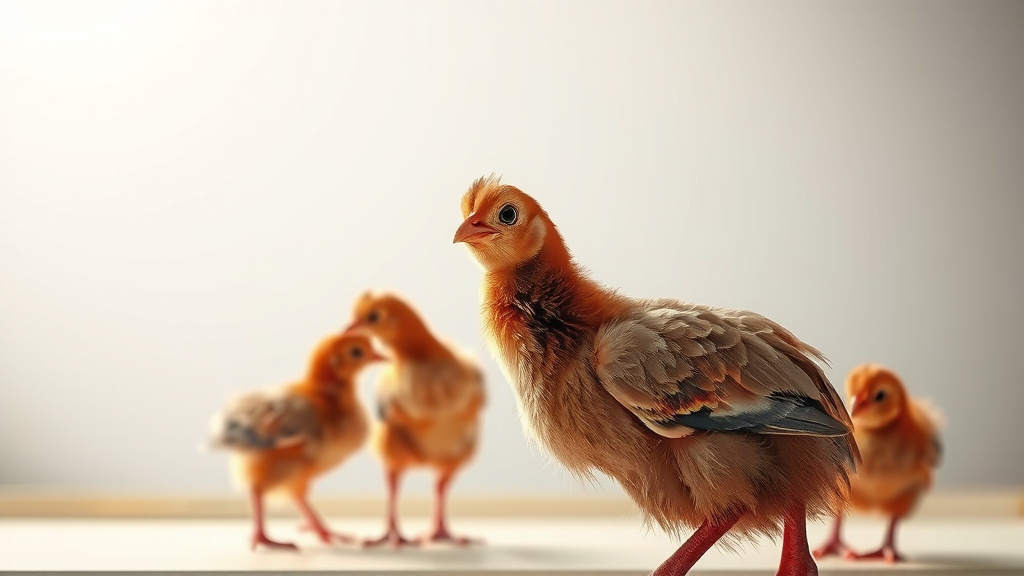
Chicks Warm Without Heat Lamp: Safe & Simple Methods
You can absolutely keep chicks warm without a heat lamp! Brooder plates and safe, warm water bottles are excellent, energy-efficient alternatives. These methods provide gentle, consistent warmth that chicks need as they adjust to life outside the nest.
Many new chicken keepers worry about providing enough heat. Finding alternatives to heat lamps is smart. It can reduce fire risks and lower your electricity bill. We’ve researched several effective ways to give your little fluffballs the cozy environment they deserve, ensuring their healthy development.
TL;DR:
- Use a brooder plate for gentle, even heat.
- Warm water bottles can work in a pinch.
- Ensure chicks can move away from the heat source.
- Regulate temperature carefully.
- Watch chick behavior for cues.
Below, we’ll walk you through exactly how to use these heat lamp alternatives step by step, so you can feel confident your chicks are getting the warmth they need.
Keeping Baby Chicks Warm Without a Heat Lamp
You can absolutely keep chicks warm without a heat lamp! It’s a common concern for new chicken keepers, and thankfully, there are several safe and effective methods. We’ve researched the best alternatives that provide that crucial warmth without the fire risk or high energy costs associated with traditional lamps.
Understanding Your Chicks’ Warmth Needs
Baby chicks are born without the ability to regulate their own body temperature. They rely entirely on an external heat source for the first few weeks of life. This warmth is vital for their development and survival. Think of it like a tiny, fluffy oven that needs to be just right!
The Importance of Temperature Regulation
Chicks need a heat source that can be gradually reduced as they grow. Their ideal temperature starts high and decreases each week. Too hot, and they can overheat and become dehydrated. Too cool, and they can get chilled, leading to illness or even death. It’s a delicate balance, but manageable.
Watching Your Chicks for Cues
Your chicks will tell you if the temperature is right. If they are huddled together in a tight ball under the heat source, they are likely too cold. If they are all spread out and panting, they are too hot. When they are content, spread out but not too far from the heat, and chirping softly, you’ve found the sweet spot.
Brooder Plates: A Gentle and Efficient Solution
A brooder plate is often considered the gold standard for heat lamp alternatives. It mimics a mother hen’s body heat, providing a warm surface that chicks can snuggle under when they need it. They are designed to offer consistent, gentle warmth without direct, intense heat.
How a Brooder Plate Works
Brooder plates typically have heating elements underneath a sturdy plate. The chicks naturally gravitate towards the warmth, much like they would with a mother hen. The heat is emitted from below, creating a cozy pocket of warmth. This is generally considered a safer option than overhead lamps.
Setting Up Your Brooder Plate
Place the brooder plate in your brooder box or enclosure. Make sure it’s stable and won’t tip over. Position it so that the chicks have ample space to move away from it if they get too warm. A good rule of thumb is to have about half the brooder space heated. This allows for temperature gradients.
Temperature Control with Brooder Plates
Most brooder plates are set to a specific temperature. You’ll need to monitor the chicks’ behavior to ensure it’s appropriate. For the first week, aim for the area directly under the plate to be around 90-95°F (32-35°C). After that, you can gradually lower the ambient temperature in the brooder by raising the plate slightly or by simply turning off the heat source for longer periods each week. Many experts suggest reducing the temperature by about 5°F (3°C) each week.
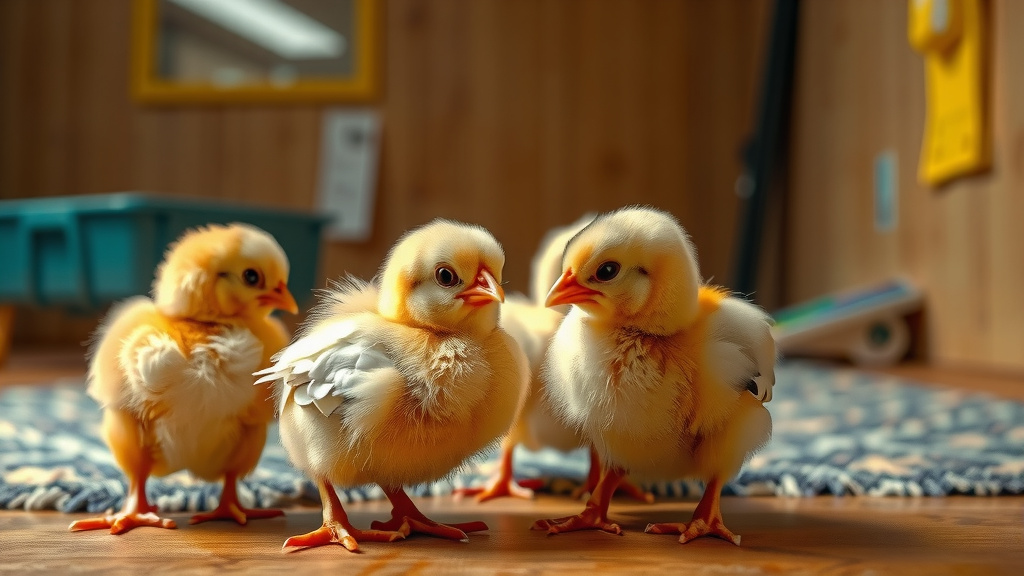
Warm Water Bottles: A Temporary Fix
In a pinch, or if you’re waiting for a brooder plate to arrive, warm water bottles can provide temporary warmth. This method requires more hands-on attention but can be effective for short periods. Always use caution to avoid overheating your chicks.
Using Water Bottles Safely
Prepare a sturdy, leak-proof water bottle. Fill it with hot, but not boiling, water. Wrap the bottle in a soft cloth or towel. This acts as insulation and prevents direct contact with the chicks, which could cause burns. The towel also helps diffuse the heat more gently.
Placement and Monitoring
Place the wrapped water bottle in one corner of the brooder. Ensure it is secure and won’t roll around. You must check on the chicks frequently. The water bottle will cool down over time. You’ll need to reheat or replace it as necessary. Many find they need to do this every few hours, especially in the first few days.
Important Considerations
This method is best for very young chicks or as a supplement if your main heat source is struggling. It’s not a set-it-and-forget-it solution. You’ll need to be diligent about checking the temperature and the chicks’ comfort. Never let the chicks get chilled.
Creating a Safe and Warm Brooder Environment
Regardless of your heat source, the brooder setup itself plays a role in keeping chicks warm and safe. A well-designed brooder makes temperature regulation much easier.
Brooder Box Essentials
Your brooder should be draft-free. Drafts can chill chicks very quickly. Use a container like a large plastic tub, a sturdy cardboard box, or a dedicated chick pen. Cover the bottom with absorbent bedding like pine shavings or a washable mat. Avoid anything too slippery, as this can cause leg problems. We found that wood shavings are a popular choice among experienced keepers.
Ventilation is Key
While you want to keep the brooder draft-free, it still needs ventilation. Good airflow prevents moisture buildup and keeps the air fresh. A few small holes in the upper sides of a tub or box can suffice. Your chicks need oxygen just as much as they need warmth!
Temperature Gradient Checklist
To ensure you’re providing the best environment, use this quick checklist:
- Is the heat source positioned correctly?
- Can chicks easily move to a cooler area?
- Is the brooder draft-free?
- Is there adequate ventilation without creating drafts?
- Are you monitoring chick behavior closely?
- Are you prepared to adjust the heat source as needed?
By using these methods and paying close attention to your chicks, you can confidently provide a warm, safe, and nurturing environment for your new feathered friends without relying on a traditional heat lamp. It’s all about creating that perfect, cozy haven for their first few weeks of life.
Conclusion
You’ve learned that keeping your new chicks warm without a heat lamp is entirely achievable and often safer. Both brooder plates and properly prepared water bottles offer reliable heat sources. Remember, the key is creating a temperature gradient, allowing chicks to move freely between warm and cooler zones. Always observe your chicks’ behavior—they are the best indicators of whether your setup is just right. Now you’re ready to provide a cozy, safe environment for your growing flock!
Frequently Asked Questions
How can I tell if my chicks are too cold or too hot without a thermometer?
Watch your chicks’ behavior closely. If they are all huddled tightly together under the heat source, they’re likely too cold. If they are spread far apart, panting, or seem listless, they are probably too hot. Ideally, they should be spread out comfortably, but not too far from the heat, chirping softly.
Can I use a regular light bulb for heat if I don’t have a heat lamp or brooder plate?
While a standard incandescent light bulb produces heat, it’s not the safest option for chicks. They can be too intense, posing a fire risk or drying out the chicks. Brooder plates or carefully managed water bottles are much better choices for consistent and safe warmth.
How long do chicks need a supplemental heat source?
Chicks generally need supplemental heat for about 4 to 6 weeks. During this time, their ability to regulate their own body temperature develops. You’ll need to gradually reduce the heat source each week, mimicking a mother hen’s behavior as she allows her chicks to venture further from her warmth.
What kind of bedding is best when using a brooder plate?
For use with a brooder plate, absorbent bedding like pine shavings or chopped straw works well. You want bedding that is not too dusty and provides good traction for your chicks’ little feet. Avoid slippery surfaces, which can cause leg issues.
Is it safe to use heating pads designed for humans under a brooder?
Heating pads for humans are generally not recommended for chicks. They can get too hot and lack the safety features needed for young birds, increasing the risk of burns or overheating. Specialized brooder plates are designed with chick safety and consistent, gentle warmth in mind.
![10 Best Basking Lamp For Tortoise [2026]](https://bestdesklamp.com/wp-content/uploads/2026/08/10-best-basking-lamp-for-tortoise-2026-featured-768x432.jpg)
![10 Best Budget Light Therapy Lamp [2026]](https://bestdesklamp.com/wp-content/uploads/2026/08/10-best-budget-light-therapy-lamp-2026-featured-768x432.jpg)
![10 Best Deals On Table Lamps [2026]](https://bestdesklamp.com/wp-content/uploads/2026/09/10-best-deals-on-table-lamps-2026-featured-768x432.jpg)