
How to Tell if a Lamp Is Tiffany: Easy Guide
You’re likely wondering if that beautiful lamp you found is a genuine Tiffany. Determining if a lamp is a true Tiffany piece involves checking for specific maker’s marks, examining the quality of the glass, and looking at the craftsmanship. Real Tiffany lamps are works of art with distinctive features.
Original Tiffany lamps are highly sought after by collectors. They were made by Louis Comfort Tiffany and his studio, and their unique designs and materials make them stand out. You’ll want to be sure you’re not mistaking a good imitation for the real deal, as there are many lesser-quality reproductions out there. Keep an eye out for consistent details that signal authenticity.
- Look for the official Tiffany Studios or L.C.T. maker’s mark.
- Inspect the glass for variations in color and texture, characteristic of hand-blown glass.
- Examine the metalwork for high-quality soldering and finishes.
- Be aware of common signs of reproduction, like glued glass or machine-made bases.
Let’s walk through the key indicators that can help you identify a true Tiffany lamp.
“`htmlAuthenticating Your Lamp: A Step-by-Step Guide
So, you’ve got a lamp that might be a genuine Tiffany piece. That’s exciting! These lamps are more than just lighting; they’re pieces of art with a rich history. But how do you really know if it’s the real deal or a clever imitation? We’ve put together a straightforward guide to help you figure it out.
The Maker’s Mark: Your First Clue
The most definitive way to tell if a lamp is a true Tiffany is by finding its maker’s mark. Louis Comfort Tiffany’s studio, Tiffany Studios, would mark their creations. Look for “Tiffany Studios” or “L.C.T.” often subtly placed on the metalwork. Sometimes, you might even find “A.I.F.” which stands for Associated Artists of America, a group Tiffany was part of. This mark is usually found on the hub, the connecting piece where the shade attaches to the base, or sometimes on the base itself. If you can’t find any mark, it’s a strong indicator it’s not a Tiffany original.
Examining the Glass: Color, Texture, and Quality
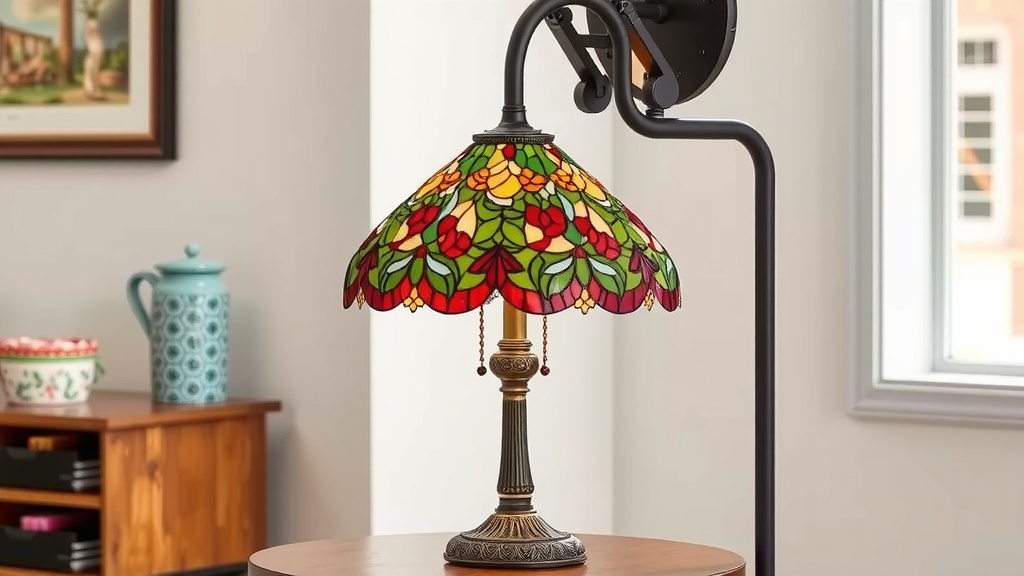
Tiffany lamps are famous for their beautiful, varied glass. The glass used in genuine Tiffany lamps is often hand-blown and opalescent. This means it has a milky, opaque quality. You’ll notice subtle shifts in color and texture throughout the shade, something that’s hard to replicate. Think of it like looking at a sunset – the colors blend and change. The glass pieces are typically small and meticulously cut to fit together.
What to Look for in Tiffany Glass
- Vibrant, Rich Colors: Genuine Tiffany glass displays deep, layered colors, not just surface-level pigments.
- Iridescent Finishes: Many pieces have an iridescent quality, shimmering with different hues when viewed from various angles.
- Texture Variations: Feel the glass. It should have a smooth, varied texture, not uniformly slick like machine-made glass.
- No Glue: Authentic Tiffany shades are made by wrapping copper foil around the glass pieces and soldering them together. You shouldn’t see any visible glue holding the glass in place.
Research has shown that Tiffany’s glass often had unique striations and color variations, a signature of their hand-blown techniques (Smithsonian Museum Resources).
The Craftsmanship: Metalwork and Construction
Beyond the glass, the metalwork of a Tiffany lamp tells a story of quality. Tiffany Studios were known for their superb craftsmanship. The metal used for the base and the framework of the shade is typically bronze or brass, often with a dark patina finish. This finish should look aged and rich, not cheap or painted on.
Signs of Quality Metalwork
- Soldering: Look closely at where the metal pieces join. The solder lines should be fine, neat, and consistent, often with a slightly raised bead. They should blend smoothly with the metal.
- Patina: A true Tiffany patina is deep and multi-toned, not a flat, uniform color. It should feel smooth to the touch.
- Weight and Balance: Genuine Tiffany lamps are substantial. They have a good weight to them, and the base is designed to be stable. A lightweight or wobbly base is a red flag.
- Detailing: Examine any decorative elements on the base. They should be finely detailed and well-finished, reflecting careful handiwork.
We found that the attention to detail in the metalwork is often a key differentiator. Authentic pieces feel solid and well-made in your hands.
Distinguishing Reproductions from Originals
The market is full of lamps inspired by Tiffany designs. While beautiful, they aren’t the same as an original. Knowing the common tells of a reproduction can save you from a costly mistake.
Common Signs of Reproduction
- Glued Glass: As mentioned, glue is a big no-no for originals. If you see gobs of glue or clear silicone holding the glass, it’s likely a reproduction.
- Uniform Glass: Reproductions often use glass that is too uniform in color and texture, lacking the subtle variations of hand-blown glass.
- Machine-Made Parts: Bases or metal parts that look perfectly smooth, shiny, or mass-produced are usually not from the Tiffany studio era.
- Missing or Incorrect Mark: The absence of a Tiffany mark, or a mark that looks stamped or poorly applied, is a strong indicator it’s not genuine. Some reproductions even have fake marks that look too perfect or modern.
- “Too Good to Be True” Price: If a lamp is being sold as a Tiffany original for a very low price, it’s almost certainly a reproduction.
Many experts suggest comparing the lamp you’re examining to known authentic examples online or in books. This visual comparison can highlight differences in style, color palette, and construction.
A Quick Checklist for Authenticity
Here’s a handy checklist to keep with you when you’re inspecting a lamp:
- Maker’s Mark Present? Look for “Tiffany Studios,” “L.C.T.,” or “A.I.F.”
- Glass Quality? Is it opalescent, with varied colors and textures?
- Construction Method? Are glass pieces soldered, not glued?
- Metalwork Finish? Does the patina look rich and aged, not painted?
- Overall Craftsmanship? Does the lamp feel solid, well-balanced, and finely detailed?
- Price Realistic? Does the price align with the potential authenticity?
By carefully checking these points, you’ll be much better equipped to determine if your lamp is a genuine piece of Tiffany artistry.
“`
Conclusion
You’ve learned the key signs to spot a genuine Tiffany lamp. Remember to always check for the maker’s mark and carefully inspect the quality of the glass. The detailed metalwork and overall craftsmanship are also major indicators. Don’t let the allure of a beautiful lamp fool you; knowing these details helps you avoid reproductions. If you’re serious about authenticating a lamp, consider consulting a professional appraiser for expert confirmation.
Frequently Asked Questions
What if I can’t find a maker’s mark at all?
If your lamp has absolutely no visible maker’s mark, it’s highly unlikely to be a genuine Tiffany Studios original. While some original marks can be worn or obscured, their absence is a strong indicator that the piece is a reproduction or from a different maker altogether.
How can I tell if the glass is truly hand-blown?
Look for subtle variations in thickness, texture, and color within individual glass pieces. Hand-blown glass often has slight imperfections or unique swirls. Machine-made glass tends to be very uniform and perfectly smooth, lacking that organic feel.
Are all original Tiffany lamps signed “Tiffany Studios”?
Not always. While “Tiffany Studios” is common, Louis Comfort Tiffany also used marks like “L.C.T.” or “L.C.T. Favrile.” Sometimes you might see “A.I.F.” for Associated Artists of America. The key is to look for a mark that appears authentic to the period and is subtly incorporated.
Can I clean a Tiffany lamp myself?
Be extremely cautious when cleaning. For genuine Tiffany lamps, it’s best to use a soft, dry cloth to dust. Avoid harsh chemicals or abrasive cleaners, as they can damage the glass and the metal patina. If the lamp is very dirty, professional cleaning is recommended.
What makes reproduction lamps so convincing?
Reproductions often mimic the popular designs and patterns of authentic Tiffany lamps. They might use colored glass and decent metal bases, but they usually lack the intricate detail, the unique quality of hand-blown glass, and the authentic maker’s mark that signals a true Tiffany original.


![10 Best Computer Lamp [2026]](https://bestdesklamp.com/wp-content/uploads/2026/09/10-best-computer-lamp-2026-featured-768x432.jpg)