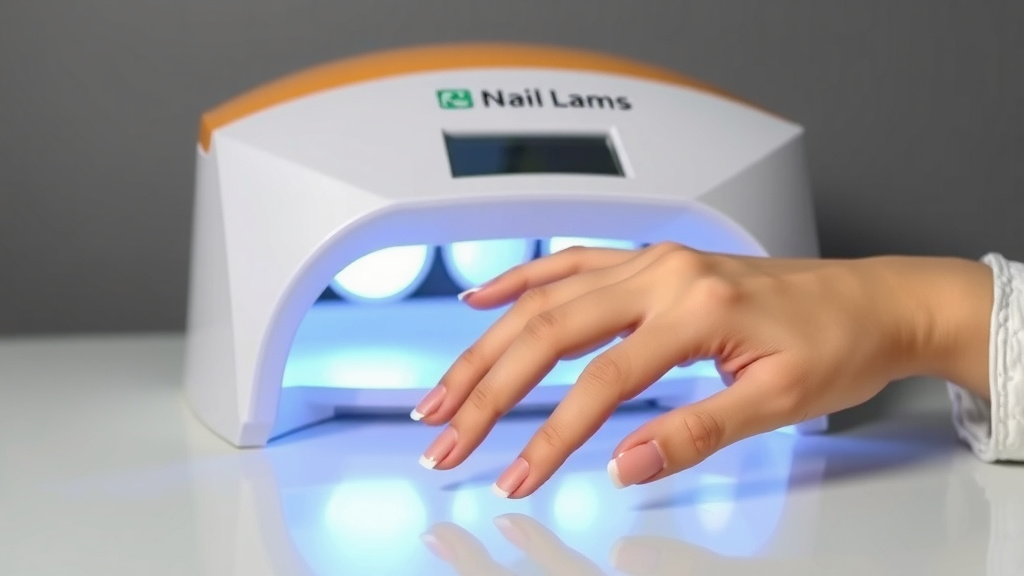
How UV Nail Lamps Work Explained Simply
UV nail lamps work by emitting a specific type of ultraviolet light that triggers a chemical reaction in gel nail polish. This reaction, called curing, causes the liquid polish to harden and bond to your nails. It’s like magic, but it’s actually science that gives you those salon-smooth finishes right at home, making your manicure last much longer.
These lamps are designed with specific wavelengths of UV light. When your gel polish absorbs this energy, its molecules link together. This process creates a durable, glossy finish that’s resistant to chipping and fading. Many people wonder if they’re safe, and research shows they are when used as directed for nail curing.
- UV nail lamps cure gel polish using UV light.
- This light causes a chemical reaction to harden the polish.
- It creates a durable and glossy finish for manicures.
- The process is a science that mimics salon results.
Ready to understand the tech behind your fabulous nails? Let’s walk through exactly how UV nail lamps make your manicures so long-lasting.
Understanding How Your UV Nail Lamp Works
So, you’ve got a UV nail lamp, and you’re curious about the science making your gel polish tough and shiny. It’s all about a specific type of light and a special kind of polish. When these two meet, a chemical reaction happens. This reaction hardens the gel, giving you that salon-quality manicure. Let’s break down this cool process.
The Science of Curing Gel Polish
Gel nail polish is different from regular polish. It contains special light-sensitive ingredients called photoinitiators. These photoinitiators are like tiny energy sponges for UV light. When the UV light from your lamp hits them, they get excited.
What Happens When Light Meets Gel?
Think of photoinitiators as sleeping batteries. The UV light is the charger. Once charged, these photoinitiators start a chain reaction. They trigger the monomers, which are the building blocks of the gel polish, to connect and form long chains. This process is called polymerization.
Polymerization: The Magic Step
When monomers link together, they transform from a liquid into a solid, hard plastic. This is what cures the gel polish. It creates a strong, durable layer on your nail. This is why gel manicures last so much longer than traditional ones.
The Role of the UV Lamp
Your UV nail lamp is specifically designed to emit the right kind of light. It produces ultraviolet (UV) light in the 365 to 400 nanometer (nm) wavelength range. This is the sweet spot for activating the photoinitiators in most gel polishes.
Why Specific Wavelengths Matter
Different gel polishes might require slightly different wavelengths for optimal curing. Most standard UV lamps cover the necessary range. It’s important to use a lamp that matches the requirements of your gel polish. Manufacturers often specify the recommended lamp type on their products.
Inside Your UV Nail Lamp: Components at Work
A UV nail lamp isn’t overly complicated. It has a few key parts that work together. You’ll usually find a casing, a light source, and a power cord. Some might have timers or fans, but the core function relies on the light.
The Light Source: Bulbs or LEDs?
There are two main types of light sources in nail lamps: traditional UV bulbs and LED bulbs. Both use UV light, but they do it differently. Traditional bulbs are often called “UV lamps,” while LED lamps are technically “UV-A lamps.” There are two main types of light sources in nail lamps: traditional UV bulbs and LED bulbs. Learn why UV vs. LED lamps matter.
Traditional UV Bulbs
These are the classic bulbs you might find in older or more basic models. They emit a broad spectrum of UV light. They are effective but tend to heat up more and have a shorter lifespan. They usually require replacement after a few thousand hours of use.
LED Bulbs
LED (Light Emitting Diode) lamps are newer and much more common now. They are faster and more energy-efficient. LED bulbs emit a more concentrated UV light. This means they cure gel polish in a fraction of the time. They also last much longer than traditional UV bulbs, often tens of thousands of hours.
How the Timer and Casing Help
Many lamps have built-in timers. This helps you cure your nails for the precise amount of time recommended by the polish brand. Over-curing or under-curing can affect the final look and durability of your manicure. The casing is designed to reflect the light inwards, ensuring maximum exposure to your nails. It also protects your eyes from direct UV exposure.
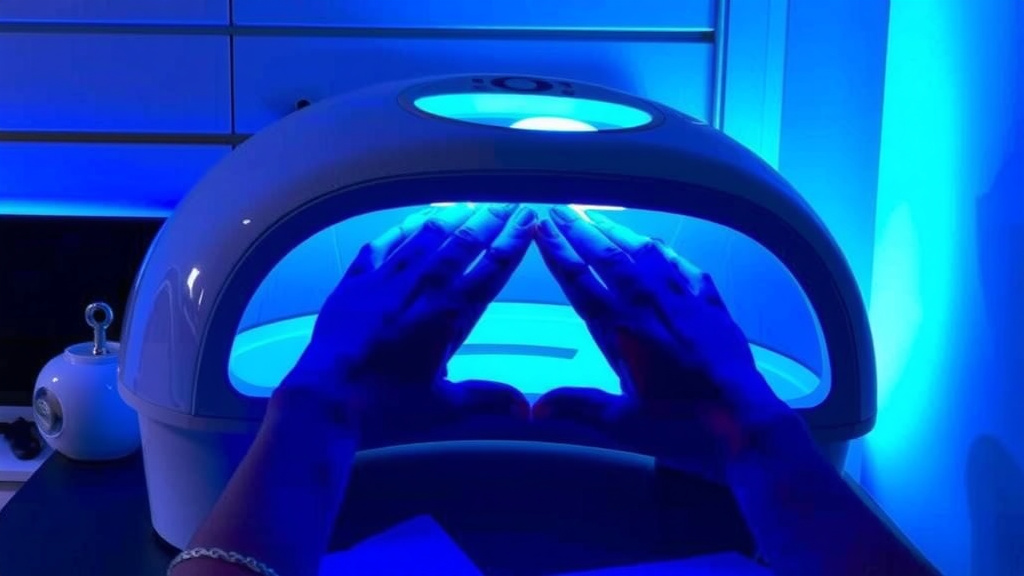
UV Lamp vs. LED Lamp: A Quick Comparison
While both types cure gel polish, there are some differences you might want to know. Think of it like comparing a standard light bulb to a modern LED bulb for your home.
| Feature | Traditional UV Lamp | LED Lamp |
|---|---|---|
| Curing Speed | Slower (typically 2-3 minutes per coat) | Faster (typically 30-60 seconds per coat) |
| Lifespan | Shorter (around 1,000-3,000 hours) | Much Longer (20,000+ hours) |
| Energy Use | Higher | Lower |
| Heat Output | Can get warmer | Generally cooler |
| Bulb Replacement | Needs regular replacement | Bulbs don’t typically need replacement |
Safety Considerations for Home Use
You might wonder if using a UV lamp is safe. It’s a common question, and the good news is that when used as directed, they are considered safe for nail curing. The UV exposure is brief and localized to your fingertips.
Understanding UV Exposure Levels
The UV light emitted by nail lamps is specifically designed to cure gel polish. The intensity and duration are generally not considered harmful. Many studies have looked into this. For instance, research has found the risk of skin cancer from occasional UV nail lamp use to be very low (NCBI).
What Experts Recommend
To be extra cautious, experts suggest a few simple steps. You can apply broad-spectrum sunscreen to your hands about 20 minutes before using the lamp. Alternatively, you can wear fingerless UV-protective gloves. This minimizes any potential skin exposure. Following the manufacturer’s instructions is always your best guide.
Ensuring a Proper Cure
A good cure means your polish will be durable. It also means less chance of irritation. Make sure you follow these tips for the best results.
- Read the polish instructions. Different brands have different cure times.
- Apply thin coats. Thick coats don’t cure evenly.
- Cure each finger. Don’t forget your thumbs!
- Use the correct lamp. Match your lamp to your polish type.
- Replace bulbs. If you have an older UV lamp, check bulb age.
By understanding how your UV nail lamp works, you can feel more confident using it. It’s a simple, effective way to achieve beautiful, long-lasting manicures at home. Happy polishing!
Conclusion
You now understand the science behind your fabulous gel manicures! UV nail lamps use specific wavelengths of UV light to trigger polymerization in gel polish. This process creates a durable, glossy finish that lasts much longer than traditional polish. Whether you have a classic UV bulb lamp or a modern LED lamp, you’re using smart technology for beautiful nails. Now that you know how it works, you can feel confident in achieving salon-quality results right at home. Your next perfect manicure is just a lamp-cure away!
Frequently Asked Questions
How long does a UV nail lamp typically last?
The lifespan of a UV nail lamp depends on its bulb type. Traditional UV bulbs might last around 1,000 to 3,000 hours. LED lamps, however, are much more durable, often lasting 20,000 hours or more.
Can I use a regular nail polish under a UV lamp?
No, regular nail polish will not cure under a UV lamp. Regular polish air-dries. UV lamps are designed for gel polishes that contain photoinitiators, which require UV light to harden.
How often should I replace the bulbs in my UV nail lamp?
If you have an older lamp with traditional UV bulbs, you should replace them periodically, usually every 6 to 12 months with regular use. LED lamps don’t have bulbs that need regular replacement.
Is it safe to put my hands directly under the UV lamp?
While the exposure is brief and localized, it’s wise to be cautious. Applying broad-spectrum sunscreen to your hands or wearing fingerless UV-protective gloves can minimize any potential skin exposure.
What’s the difference between UV and LED nail lamps?
Both cure gel polish, but LED lamps are generally faster, more energy-efficient, and have a much longer lifespan than traditional UV lamps. They also tend to emit less heat.


![10 Best Battery Lamps For Living Room [2026]](https://bestdesklamp.com/wp-content/uploads/2026/08/10-best-battery-lamps-for-living-room-2026-featured-768x432.jpg)