Ceiling Lights vs Lamps: Which to Choose?
When deciding between ceiling lights and lamps, the best choice depends on your specific needs for **brightness, ambiance, and flexibility**. Ceiling lights offer powerful **general illumination** for entire rooms, while lamps provide targeted light and help create a cozy atmosphere. Neither is inherently “better”; they serve different, often complementary, purposes in your home’s lighting design.
Both ceiling fixtures and portable lamps play a vital role in making your home functional and inviting. Understanding their strengths helps you layer your lighting effectively. You’ll want to consider how much light you need, where you need it, and the kind of mood you want to set. Many homeowners find a combination of both offers the most **versatile and pleasing lighting solutions**.
- Ceiling lights are great for overall room brightness.
- Lamps add focused light and create mood.
- Layering both is often the best approach.
- Consider your room’s size and purpose.
- Think about the ambiance you want to achieve.
Let’s break down the differences and help you figure out which types of lights are right for your space.
“`htmlChoosing Between Overhead Fixtures and Floor/Table Lamps
Deciding whether ceiling lights or lamps are the right fit for your space involves looking at how you use your rooms. Think about the main jobs you do in each area. Ceiling lights are fantastic for providing the primary, general light a room needs. They spread light evenly across the space. Lamps, on the other hand, are perfect for adding focused light where you need it most. They also help set a mood.
The Role of Ceiling Lights in Your Home
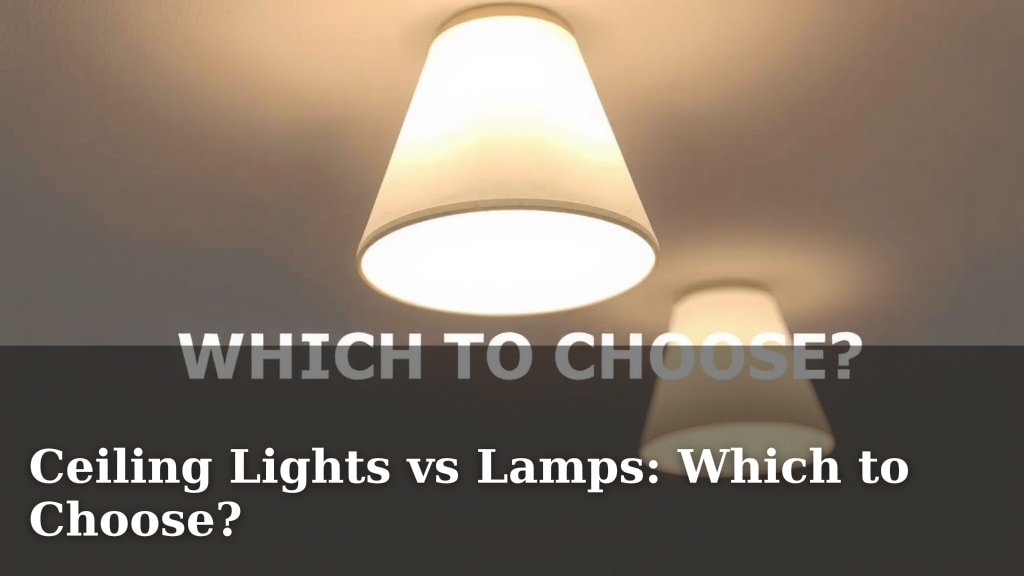
Ceiling lights act as the foundation of your home’s lighting. They are your go-to for overall brightness. Imagine walking into a dark room; a good ceiling fixture instantly makes it usable and safe. They are often installed in the center of a room or strategically placed to cover a larger area.
Types of Ceiling Fixtures
You’ll find many styles. Flush mounts sit directly on the ceiling, great for rooms with lower ceilings. Pendant lights hang down, adding a decorative touch and focused light. Chandeliers are statement pieces that offer ample light and style. Track lighting offers flexibility, allowing you to direct beams where needed.
When to Rely on Ceiling Lights
Consider ceiling lights for high-traffic areas like kitchens, hallways, and living rooms. They ensure everyone can see clearly. If you need bright light for tasks like cooking or reading the newspaper, a strong ceiling light is a smart choice. They are also good for making small rooms feel bigger by providing even illumination.
The Charm and Utility of Lamps
Lamps are the versatile players in your lighting plan. They offer flexibility and can be moved around as your needs change. Whether it’s a tall floor lamp beside your reading chair or a small table lamp on an end table, they fill specific lighting gaps.
Where Lamps Shine Brightest
Lamps are perfect for creating cozy corners. A bedside lamp provides soft light for reading before sleep without flooding the whole room. A desk lamp offers focused light for work, reducing eye strain. They also add decorative elements to your décor, acting as sculptural pieces when they’re off.
Creating Ambiance with Lamps
The type of shade on a lamp greatly affects the light it gives off. Opaque shades direct light downwards, creating a pool of light. Translucent shades diffuse light, giving a softer glow. You can use lamps to highlight specific features in your room, like artwork or a plant, adding depth and interest.
| Lighting Type | Primary Function | Best For | Pros | Cons |
|---|---|---|---|---|
| Ceiling Lights | General Room Illumination | Overall brightness, task lighting, entryways, kitchens | Even light distribution, can light entire rooms, safety | Less flexible, can create harsh shadows if not layered |
| Lamps (Floor & Table) | Task & Accent Lighting, Ambiance | Reading nooks, bedrooms, accenting decor, mood setting | Portable, targeted light, adjustable, decorative | Can take up floor/surface space, may not light entire room |
Layering Your Lighting: The Best of Both Worlds
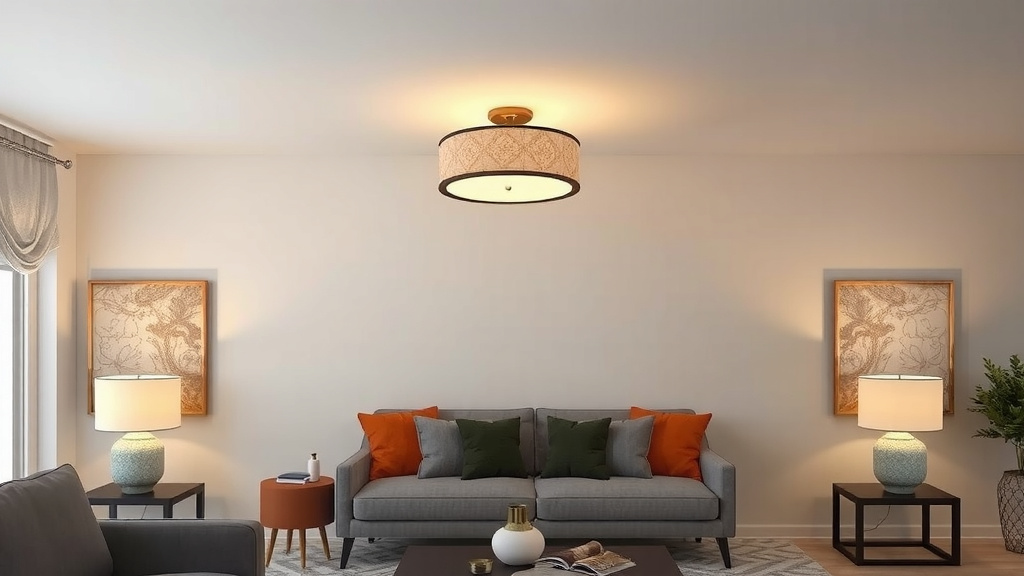
Most interior designers agree that the most effective lighting strategy involves layering. This means using a combination of different light sources. You start with your ceiling lights for general illumination. Then, you add lamps for specific tasks and to create a warm, inviting atmosphere. This approach ensures your rooms are functional at all times.
Why Layering Works
Layering your lighting addresses all your needs. On a dark winter evening, you might turn on your ceiling light for general brightness. Later, you might dim it and turn on a floor lamp for reading. This gives you control over the mood of your space. It also prevents dark spots in your room, making it feel more complete and comfortable.
Putting it All Together: A Lighting Checklist
Ready to plan your lighting? Ask yourself these questions:
- What is the main activity in this room?
- Do I need bright light or a softer glow?
- Where are the dark corners that need attention?
- How can I add decorative light to enhance the style?
- Can I easily adjust the light for different times of day?
- Are there places I’ll need focused light for tasks?
By considering these points, you’ll find the perfect mix. Many sources suggest that a well-lit room uses at least three types of light: ambient (general), task (focused), and accent (decorative) (Illuminating Engineering Society). Ceiling lights typically provide ambient light, while lamps often serve task and accent roles.
“`
Conclusion
You’ve learned that both ceiling lights and lamps have their own strengths. Ceiling lights provide essential general brightness for your rooms. Lamps offer focused light and help create a desired mood. The best lighting plan often combines both. This layered approach ensures your spaces are functional for any activity. It also makes them feel warm and inviting. Now, you’re ready to assess your rooms and choose the right mix. Start by identifying the main activities in each space and the ambiance you want to achieve.
Frequently Asked Questions
Can I use only ceiling lights in my living room?
You can, but it might feel a bit stark. Relying solely on ceiling lights can sometimes create harsh shadows or an overly bright, less cozy atmosphere. Adding a floor lamp or table lamp can soften the light and create more comfortable zones for reading or relaxing.
Are lamps good for lighting up a whole kitchen?
Lamps generally aren’t the best choice for lighting an entire kitchen. They are designed for more localized light. For a kitchen, you’ll want strong, overhead ceiling fixtures like flush mounts or track lighting to ensure good general illumination for cooking and cleaning.
How many lamps do I need in a medium-sized bedroom?
For a medium-sized bedroom, two lamps are often ideal. A table lamp on each nightstand provides light for reading or bedside tasks. You might also consider a floor lamp in a corner for extra ambiance or a reading nook.
What’s the difference between a pendant and a chandelier?
Both hang from the ceiling, but a pendant typically has a single light source and is often more modern or minimalist. A chandelier is usually larger and features multiple light sources, often with decorative arms or crystals, making it a more dramatic statement piece.
Can I mix different types of ceiling lights in one room?
Yes, you can absolutely mix ceiling light types. For example, in a large living room, you might have a central ceiling fixture for general light and add track lighting to highlight artwork. Just ensure the styles and finishes complement each other for a cohesive look.